Hayle // Waking Season
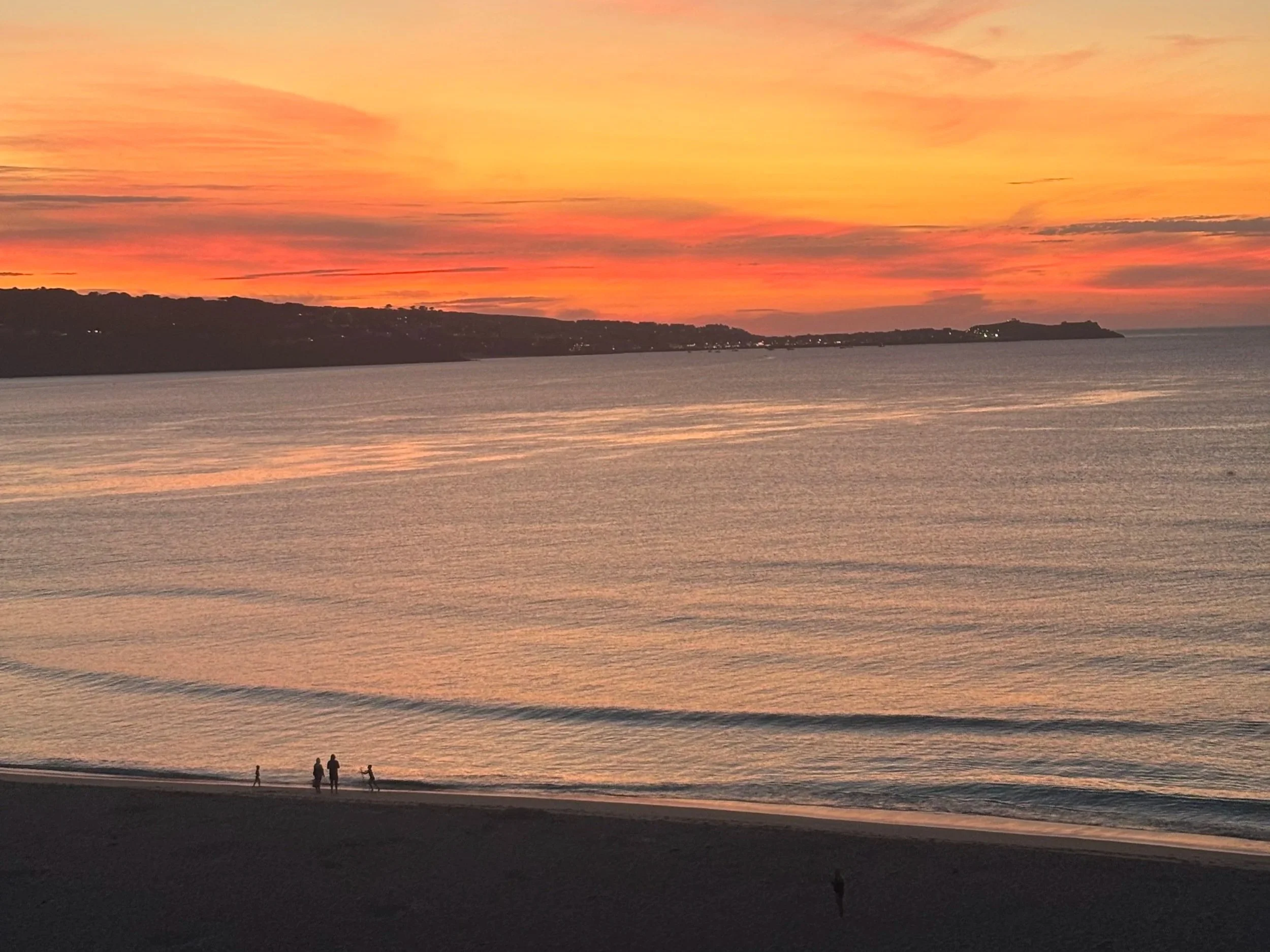
View from Hayle towards St Ives © John Bills
As with most cripplingly insecure adults, there is an element of humour built into this claim. You see, there are two things that I am more afraid of than anything else. One fear is all too real, while the second is a nigh-on-impossible situation that I have concocted for comedic effect, primarily so I don’t have to engage the listener (or, in this case, reader) in an intensely melancholy conversation that neither of us is all too eager to have.
Fear number two? Being lost at sea, but then coming across another individual who is lost at sea. Ridiculous, I know, but hear me out. Being lost at sea sounds like a terrifying prospect all in itself. I don’t want you to plumb the depths of imaginary despair, but consider it. You’re in a tiny boat (a best-case scenario), drifting through the endless blue, fighting off dangers from above and below, with either a quick self-inflicted demise or a slow, brutal death on the table. You either get thrown overboard by the elements, or devoured by some sort of hideous beast. It’s a harrowing prospect, but let’s say you find a way to survive. All of a sudden, off in the distance, you spot something. What is it? Could it be? Good lord, it is. Inching towards you is another boat, holding another poor fucker in the same position as you. Not quite in the same boat, but the cliché holds. You sidle up next to each other and engage in quite possibly the most pointless small talk, trying to find common ground while simultaneously weighing up whether you can kill this person or not. It gives me the jibbly-wibblies on many levels.
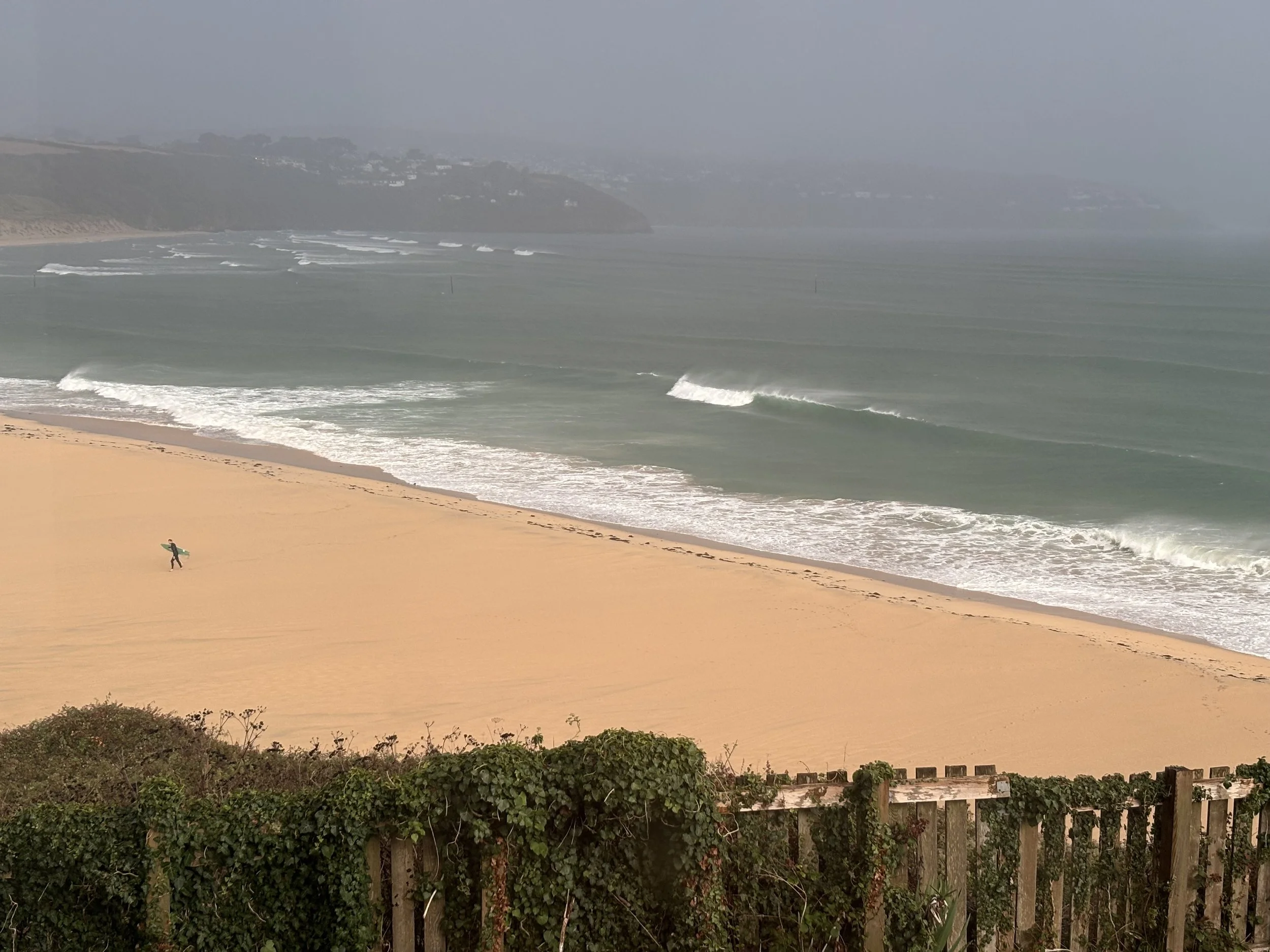
A stormy beach in Hayle © John Bills
It isn’t happening, of course, but fear number one is very real. Nothing scares me more than dementia. It sounds brutal. Whether you have seen the impact it has on an individual or not, it doesn’t take much explaining for the evil to surface. I’m not a doctor; I’m a writer (supposedly), and the dictionary definition of dementia is “a medical condition causing the memory and other mental abilities to gradually become worse, and leading to confused behaviour." The confused behaviour isn’t so bad, but the memory part most definitely is. In layman’s terms, dementia is a catch-all term for a group of conditions that fuck with your memory, thinking, and cognitive abilities. The brain changes, symptoms worsen over time, until memories are reduced to blurs at best, and that is precisely what terrifies me. By the time the Grim Reaper comes to collect, many are mere shells of ideas. Bodies that resemble the people we know, but the details have all but been scrubbed out.
All of which is an undeniably depressing way to begin an article about family holidays, but I feel like warnings are important for certain subjects. The sun was setting, the sand reluctantly took on the orange hue cast by the departing star, the grandchildren (nieces and nephews, if we’re sticking with my perspective) were all playing together (relatively) peacefully, and the conversation idled around familiar subjects at an endearing pace. It was idyllic, and I am not a talented enough writer to paint a picture that does it justice. Sure, I can weave my way around small towns in Bosnia and Herzegovina better than any damn human on this damn planet, but ask me to vividly describe a scene of serenity and contentment by the beach, and I’m all at sea.
Lost at sea, you could say.
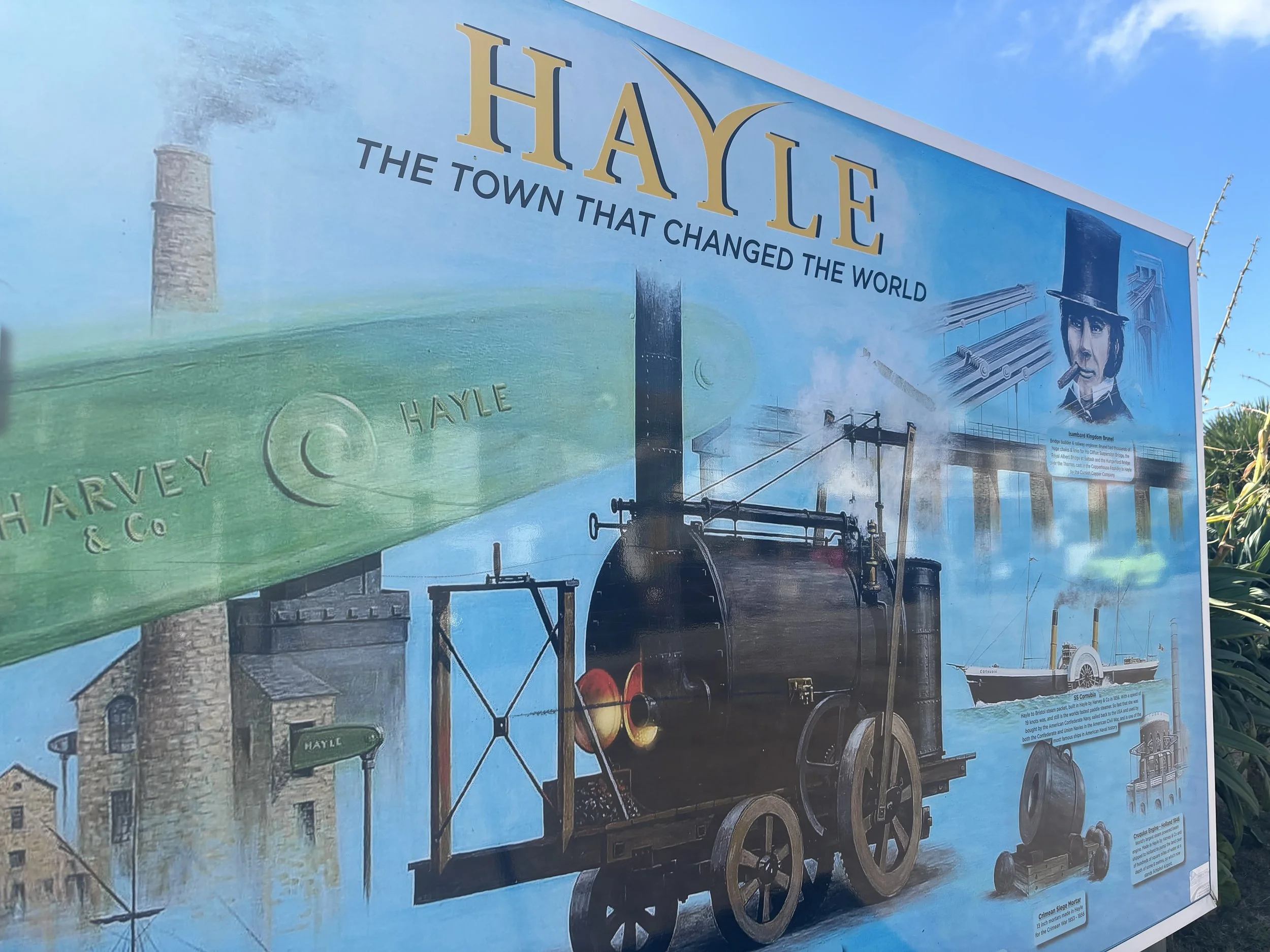
A board in Hayle © John Bills
Hayle is a small town on the north coast of Cornwall, a long drive from Welshpool but one that ultimately brings the deep serenity of the sea. More specifically, the serenity of the Hayle River where the estuary opens into St Ives Bay. You can see St Ives from the deck, lights glittering in the early evening, a circuit board similar to the Japan described by Tobias Hayes. Not as sprawling, obviously, but the twinkling is familiar. Hayle itself is all vast beaches and dunes, migratory birds, confident tides, and tender nostalgia. The town has an industrial history, one closely tied to Cornwall’s mining boom in the 18th and 19th centuries, when Hayle was a port and engineering centre of no small significance, but many calendars have been discarded since it played that role.
Many calendars have been discarded since the halcyon days of childhood holidays in Hayle, of nights spent at Atlantic Coast Holiday Park among the imposing dunes of Upton Towans. My memory is spotty (I know, I know, this is the perfect window to bring back the dementia thing, but let’s not take all the low-hanging fruit), but the hazy images stored in the dusty corners of my brain conjure up a place where the distinction between holiday park and landscape was itself blurred. We could walk to the beach through sandy paths that felt mysterious and secure all at once, at least to the excitable explorations of the 10-year-old. It was an uncomplicated place. Ideal for family holidays. Days were spent in sand, nights in a static caravan, comforted by the promise that tomorrow would probably bring more of the same.
The experience is different as an adult, but the notes are the same. There were nine children on this holiday, and for the most part, the fun they had in the 2020s was no different to that enjoyed in the 1990s. The world has changed in remarkable ways over those three decades, but the certainty and shape of children playing at the beach offered a consoling hug and a comforting smile. There are no algorithms in sand. Social media vs real life isn’t a toxic rag smothering joy at the beach. There is only real life.
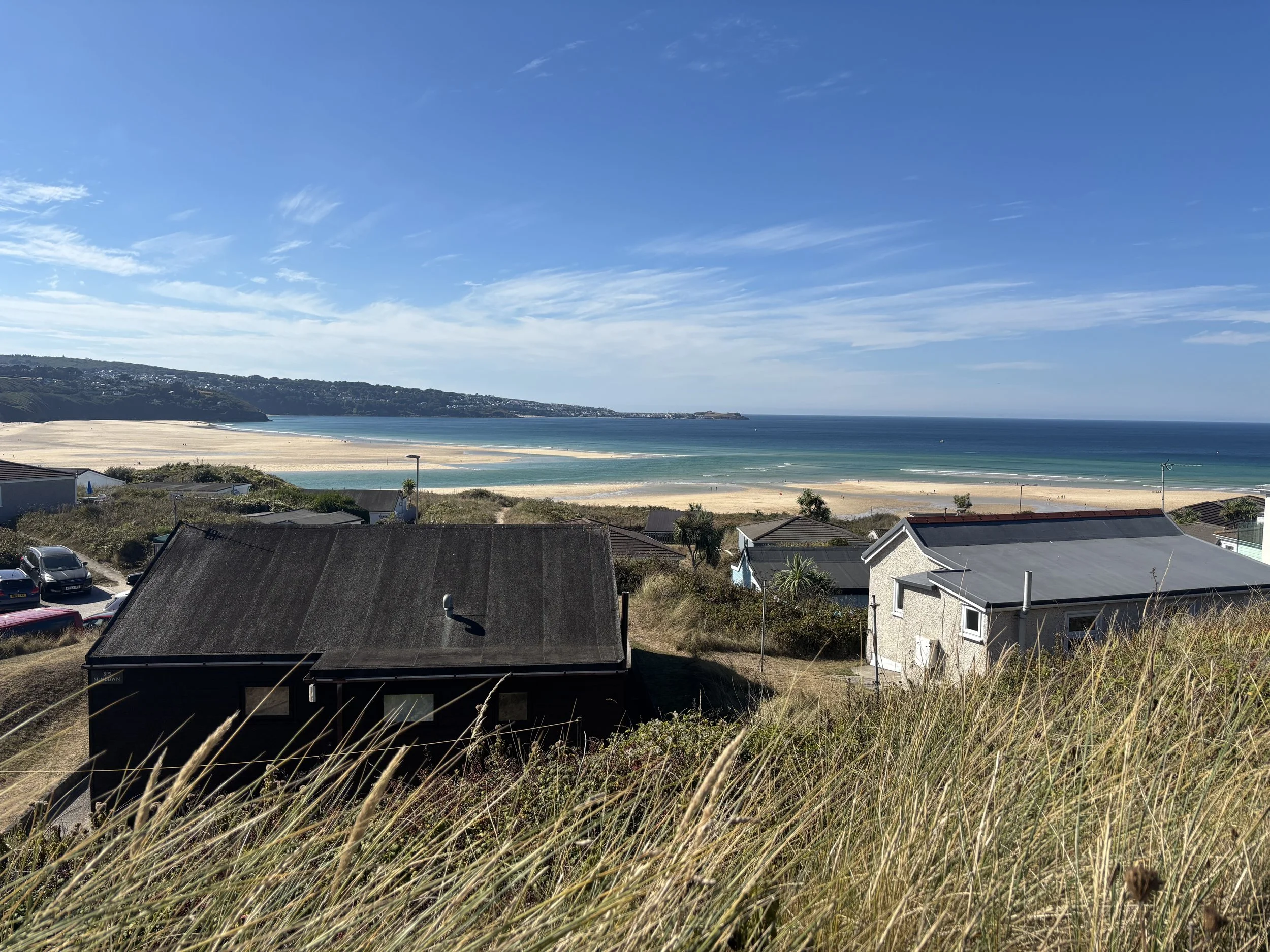
A view of Hayle © John Bills
And memories of real life aren’t eternal. Thirty years or so have passed since those childhood holidays in Hayle, and the only memories that remain are worryingly specific. I remember eating a mint polo on the long drive down; it was still dark outside, and I was trying not to look at the car’s digital clock so often. I remember filling up the trailer. I remember telling my dad that I thought Darren Gough and Phil DeFreitas should open the bowling for England in the 1994/95 Ashes. I remember my dad running into a fence while trying to catch the ball during a game of cricket. I remember buying a magazine about the 1995 Rugby Union World Cup, despite knowing next to nothing about the sport. I remember being chased by a dog from the dunes all the way to the caravan. I remember landing awkwardly after jumping on those same dunes, and while I don’t want to go into too much detail, let’s just say I struggled with an uncomfortable condition on the subsequent drive home. We don’t need to name the condition, so let’s call it piles.
I remember bowling to my grandad near the caravan, and somehow managing to sneak one through his usually solid forward defence. He was a left-handed batsman. In truth, that is the single lasting memory I have of him.
But when it comes to remembering childhood holidays, for the most part, that is it. The details of those wonderful days have been picked apart by time. I couldn’t tell you what we ate, what we watched, what we talked about, what the weather was like. I couldn’t reconstruct an entire day from beginning to end, because all that remains are flashes, and that is the cruel trick of time. Ultimately, this is why dementia is so terrifying to me. We spend our entire lives accumulating experiences, memories to last a lifetime, and we are often reminded that this is almost the point of it all. Do it, because you’ll regret not doing it. Life is short, so book the flight, take the chance, meet for a drink at 8 p.m. at Celtic Pub on July 3. Listen to Waking Season before you enter. She’ll be late, but she can take all the time she needs. Go for a short walk afterwards. Stop by the cathedral. Don’t worry, just live. Better to have loved and lost than never to have loved at all, but what is left when your memories are reduced to wisps? Where do those memories go? More importantly, where do we go?
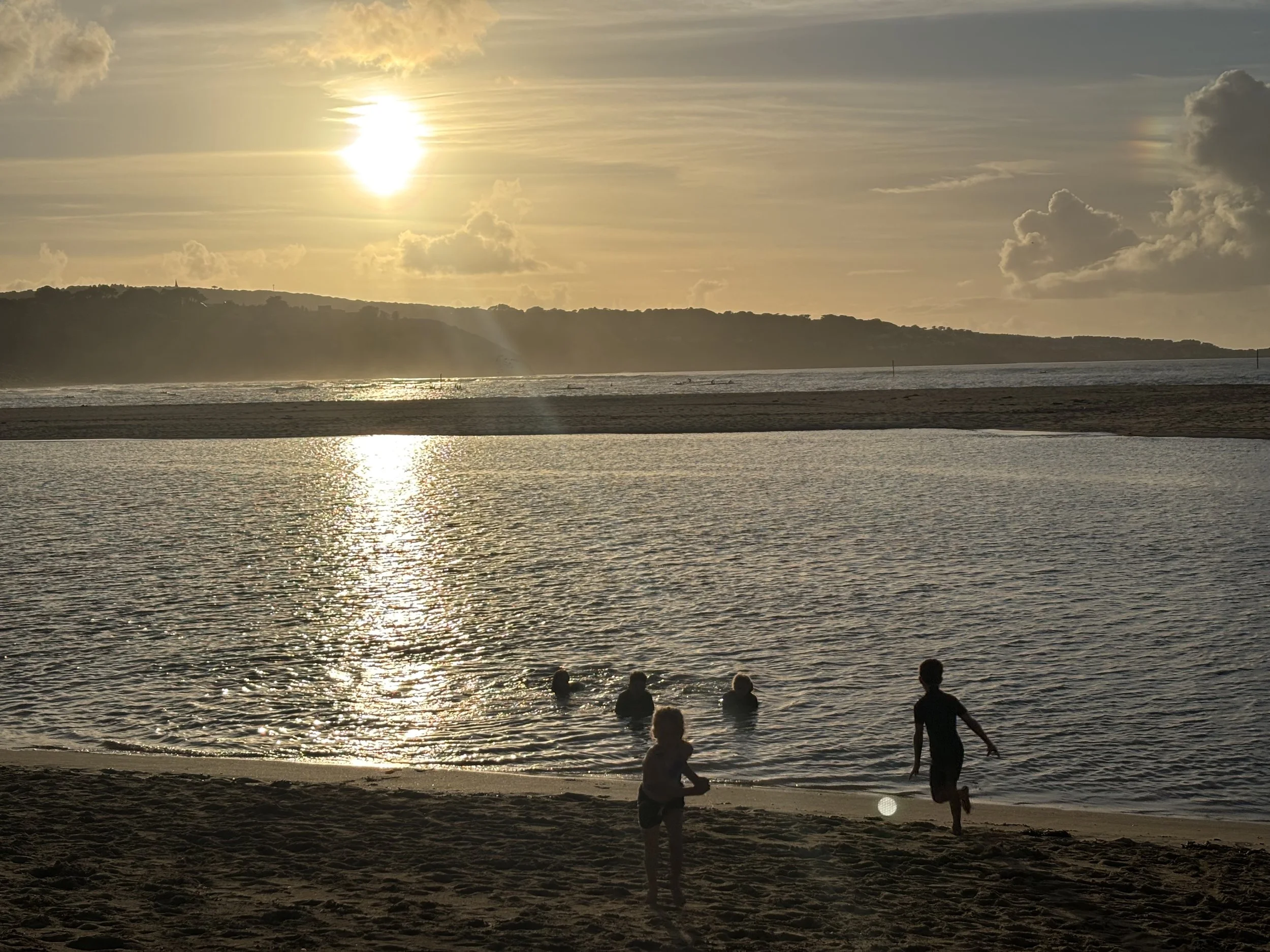
Kids playing in the water at Hayle © John Bills
I already know what forgetting feels like. I have forgotten the classrooms of Gungrog, the corridor of Maesydre, the dinner hall of Welshpool High School, the entrance of Walford and North Shropshire College, and every single lecture hall I sat in at Liverpool Hope University. I don’t remember most of the hostels. I have forgotten the beds I have slept in, the kitchens I have used. I don’t remember how tall my sister was, or what her voice sounded like.
You don’t stop to photograph it, and even when you do, you ultimately don't get a say in what the brain discards. If it keeps anything, then maybe that is victory enough. Memory isn’t a museum, and no museum is eternal, anyway. None of this is, and that is going to have to be okay. Try as we might, trying to carefully preserve every memory exactly as it was experienced is completely futile. But, and I dearly hope you allow me this moment of blind positivity, the fact that we try to hold onto these things is devastatingly beautiful. Eventually, time will erase this, but it won’t take everything without a fight, so take what you must, but leave me mint polos, washing her hair, Highcourt, Trepanning at the Christmas Party, A fancy-dress accentuated discussion about whether Vicarious is better than The Grudge, a soundcheck in Swansea, getting lost in the grounds of a closed hotel in Herceg Novi, and you wearing that damn cap. Give me that, at least.
Because children playing on beaches don’t know any of this. They don’t know that one day they will struggle to remember the sound of the most important voices. They don’t know that the people around them will change. They are just children playing on a beach, the same way that children have always played on beaches. Thirty years from now, they might not remember this holiday at all, but perhaps one will remember something. I hope so, but if they don’t, that’s fine. They were here. They lived it. And for a little while under the setting Cornish sun, none of us needed to remember anything at all.