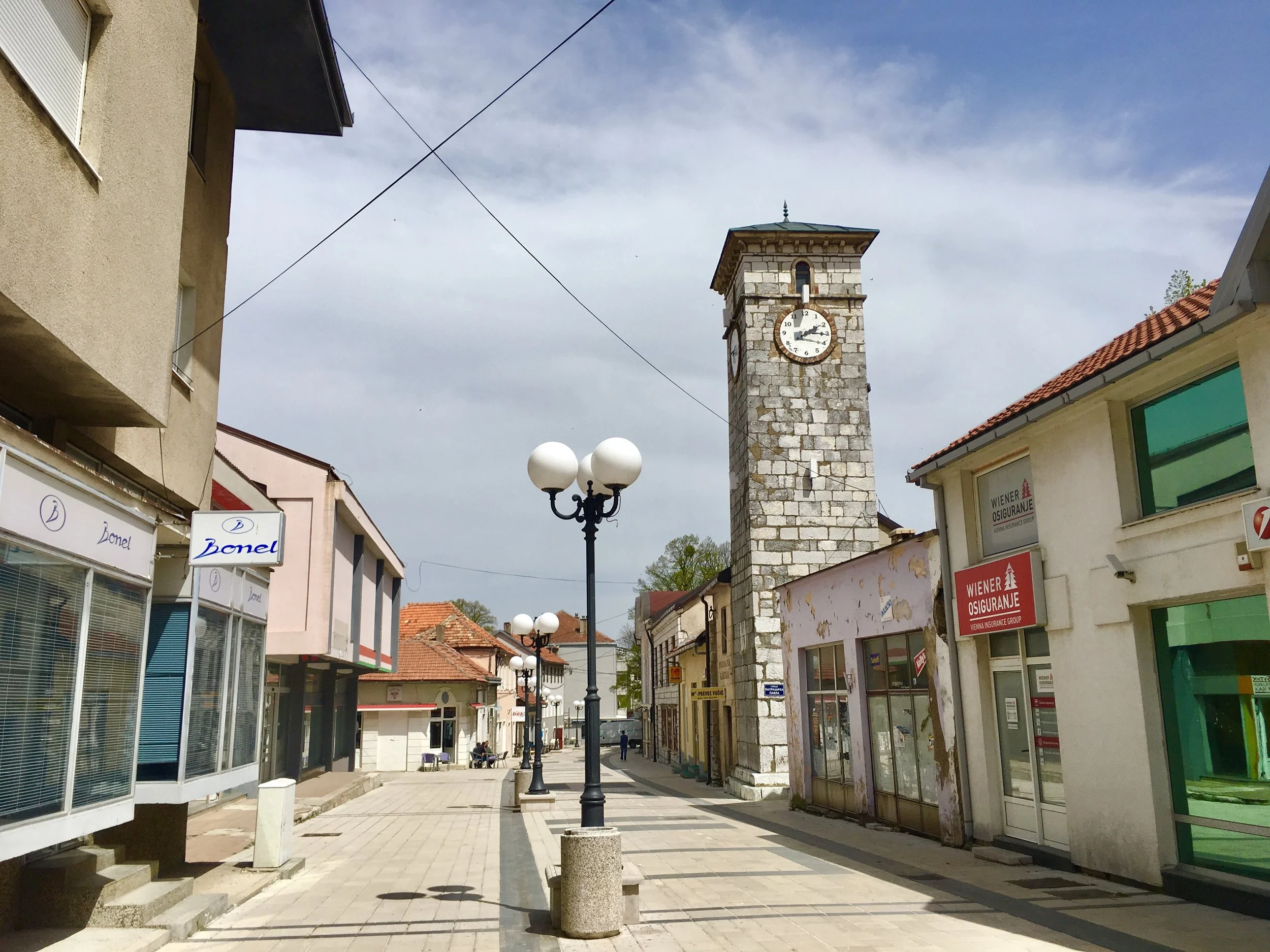
Nevesinje’s pedestrian centre © John Bills
It might be because it’s the first bus stop on the road from Mostar to Trebinje, but I always thought that Nevesinje was bigger than it actually is. In my warped imagination, it was larger than the towns further down the road, but it turns out I was mistaken. For that, I’d like to apologise. Nevesinje has a history of protest and rebellion, and I’d rather stay on the friendly side of that particular ledger. The 1875 Herzegovina Uprising began in these parts, and it was a rebellion that remains tangible over 150 years later. Fast forward to the most recent war, and Nevesinje was the scene of ethnic violence and tumult, reducing the share of the Bosniak population from 21% in 1971 to less than a quarter of a single percent today.
The centre of Nevesinje is home to a variety of historical attractions, with the winsome clock tower leading the way. There are churches, mosques, stećci, monuments, cafes, restaurants, Tesla Towers, and more, while one of the most beautiful bridges in Bosnia and Herzegovina sits just a few kilometres outside of the city. That bridge might not have long left, so I’d suggest heading out there before it’s too late.
TRANSPORT
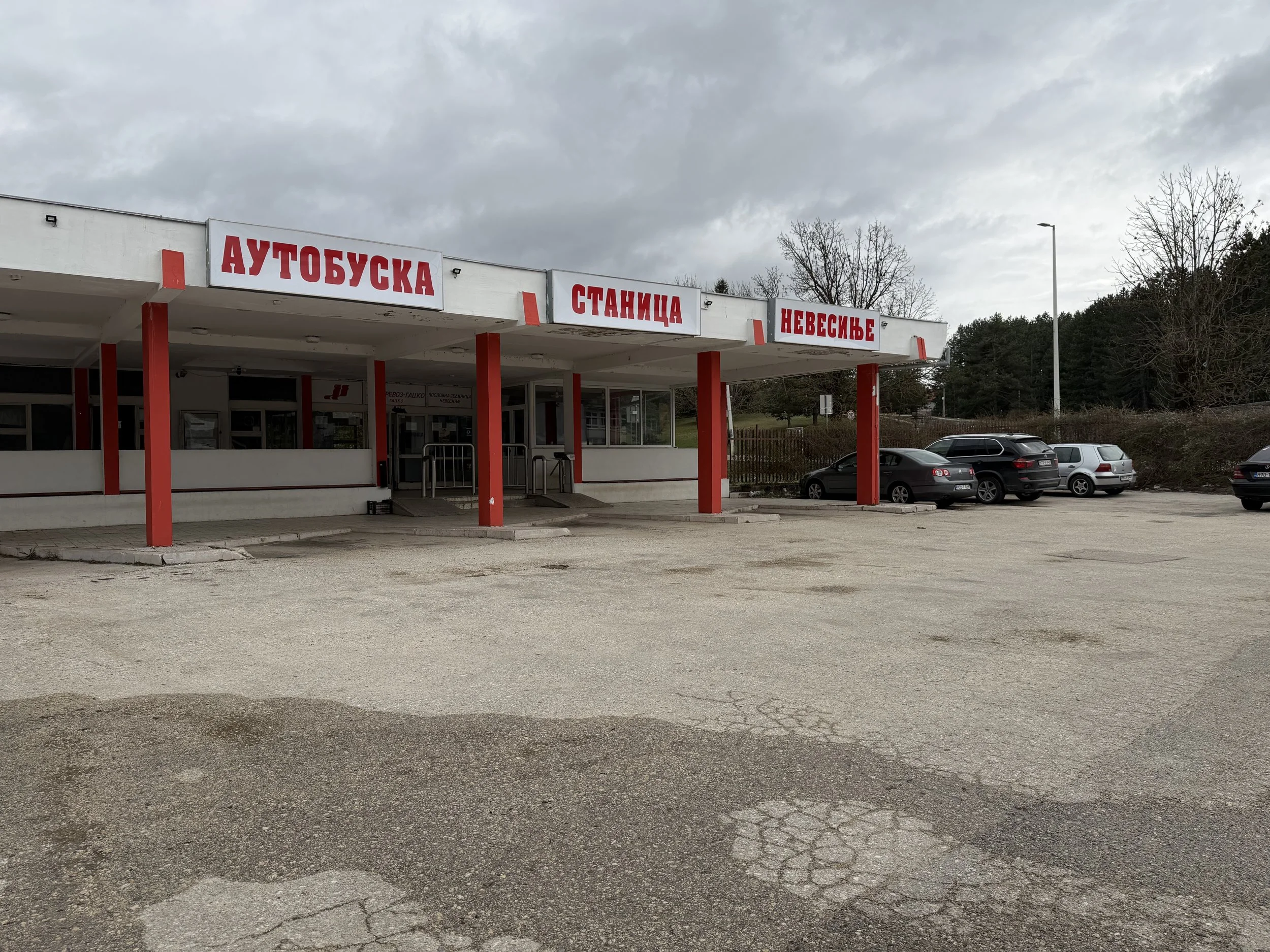
Nevesinje Bus Station © John Bills
Nevesinje’s bus station is a short walk from the centre, although this is a small town, so by “small walk” I mean “five minutes.” The city is on the route from Mostar to Trebinje and beyond, meaning there are a handful of direct options to and from both cities (Nevesinje is the first stop after Mostar, followed by Gacko and Bileća before reaching Trebinje). There are also a few direct buses to Montenegro and Serbia, primarily to popular destinations such as Herceg Novi, Podgorica, and Belgrade. If you’re behind the wheel, the drive from Mostar to Nevesinje takes you past Blagaj’s fortress, and the view is spectacular. You’ll also go past a massive landfill in the hills above Nevesinje, which isn’t quite as spectacular. If you’re wondering why the roadside garbage seems to intensify as you begin the climb into those hills, keep your eyes peeled for a break in the rocks. Or don’t, because it is kinda disgusting. Nevesinje is a 45-minute drive east of Mostar along the M6.1.
WHAT TO SEE AND DO
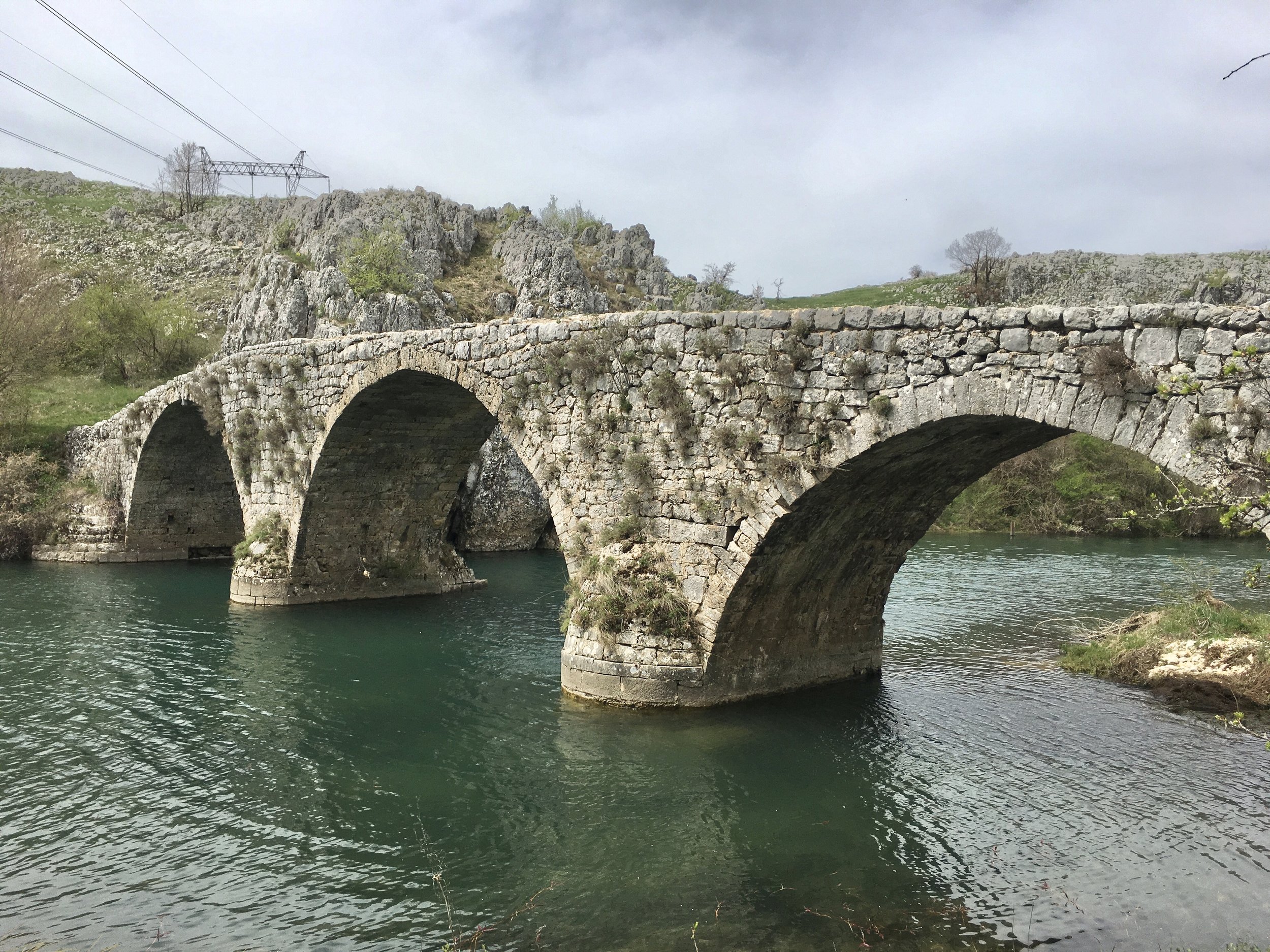
Ovčiji Brod © John Bills
Ovčiji Brod
Located just a short drive outside of Nevesinje, the adorable Ovčiji Brod (Sheep Bridge) is one of Bosnia and Herzegovina’s most forgotten bridges, but that won’t be the case forever. Well, that or it will be forgotten forever, unfortunately. Crossing the Zalomka with all the lugubrious charm of a veteran, this tranquil stone charmer dates to the 16th century (probably), although it hasn’t functioned as a viable crossing for a long while. There is a good chance it’ll end up on the UNESCO list, so get on this one before everyone else. I say that with some optimism, because the bridge is in a pretty wretched state at the time of writing. Neglect is a powerful drug, so I’d suggest visiting this one while you still have the chance. To find it, drive about 15 minutes east of Nevesinje towards the village of Bratač and hope the signs are visible. If not, ask a local, and they’ll point you in the right direction. Bratač
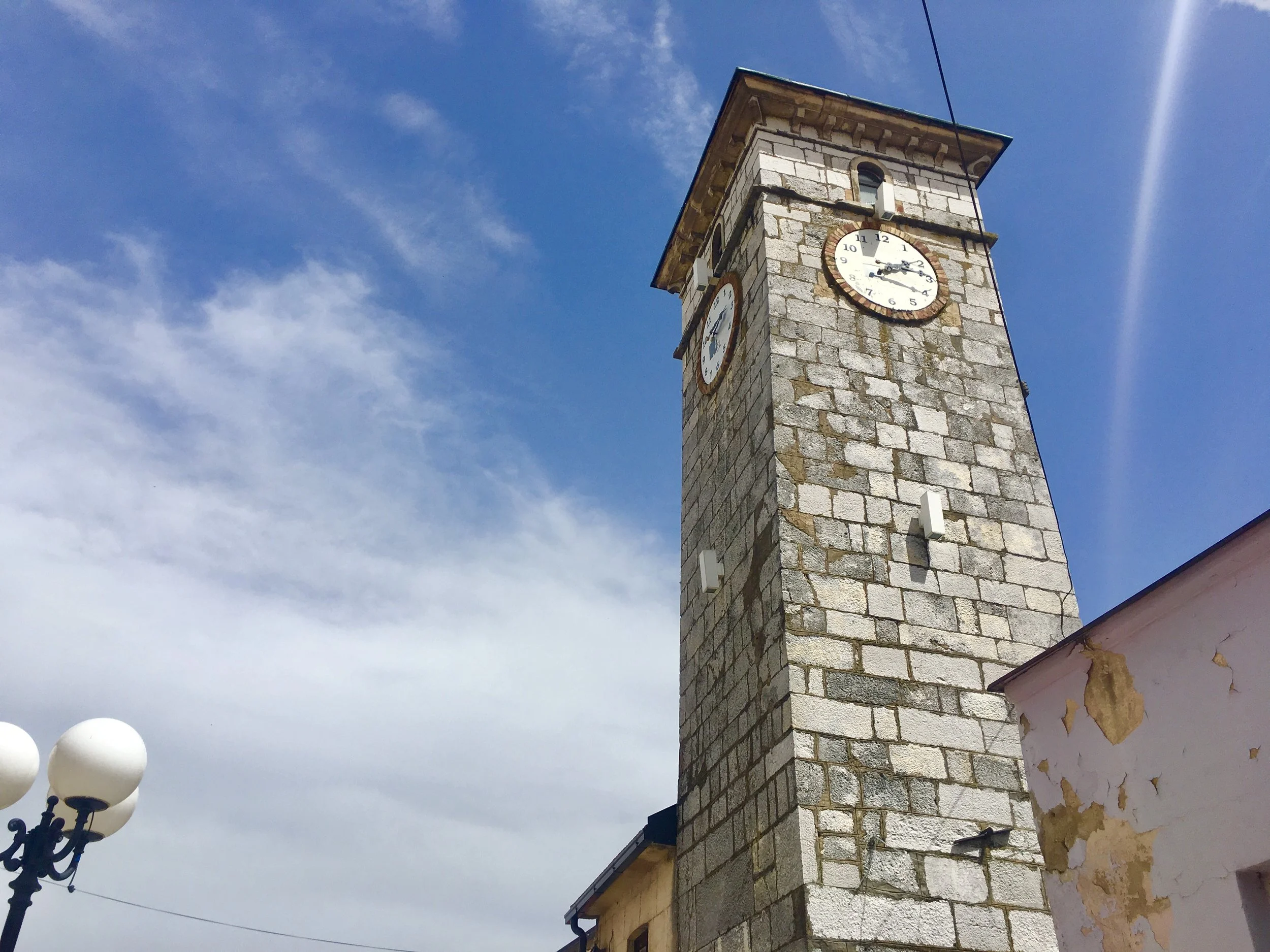
Sahat Kula Nevesinje © John Bills
Clock Tower (Sahat Kula)
Considered by some to be the oldest Ottoman-era clock tower in the country (the actual date of construction remains unknown). Nevesinje’s Sahat Kula is undoubtedly the town’s main attraction. You can vaguely put that date of construction somewhere in the 17th century (ol’ travel tsar Evliya Çelebi mentions it), and the tower fulfilled the general function that you assume such a structure should. In a time before watches and smartphones, folks looked this way to check the time, and you don’t need to limber up for too much mental gymnastics to place the tower at the centre of Ottoman life in Nevesinje. Those days are long gone, but the Sahat Kula remains a beauty, as they tend to do. Take a closer look at the clock face, and you’ll notice Roman, Arabic, and Turkish numerals, a nod to that history, while the design of the structure displays clear Italianate influence. Or, as you young folks like to say, it’s giving Italianate. Nevesinjskih ustanika
Alagovac Lake © nikola93 // Shutterstock.com
Alagovac Lake (Jezero Alagovac)
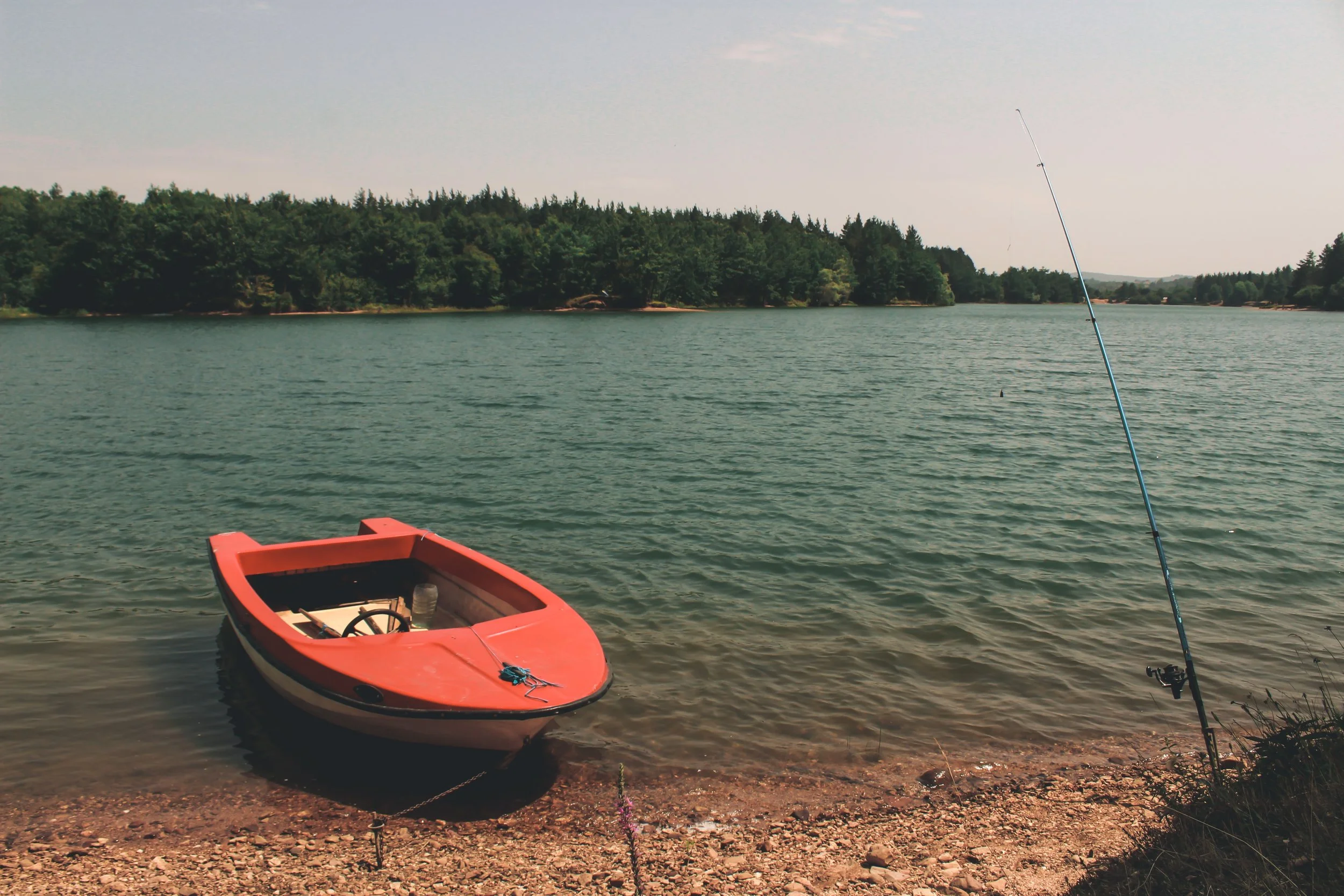
The primary function of Alagovac Lake is to provide Nevesinje with potable water, but there’s more to this artificial reservoir than quenching thirst. Created in 1968, Alagovac has become a popular destination for locals seeking natural magic, with plenty of adventures along the way. If you’re looking to cast your rod (wait, what) in hopes of snagging a carp, perch, catfish, or even a California trout, contact SRD Alagovac to get yourself a licence. When the weather is good, the lake is a delightful place for a swim, and there is always the option to camp on its shores. Alagovac Lake is located at 860m above sea level, just a couple of miles north of Nevesinje. Bojišta
Stećci mural in Nevesinje © John Bills
Nevesinje Murals
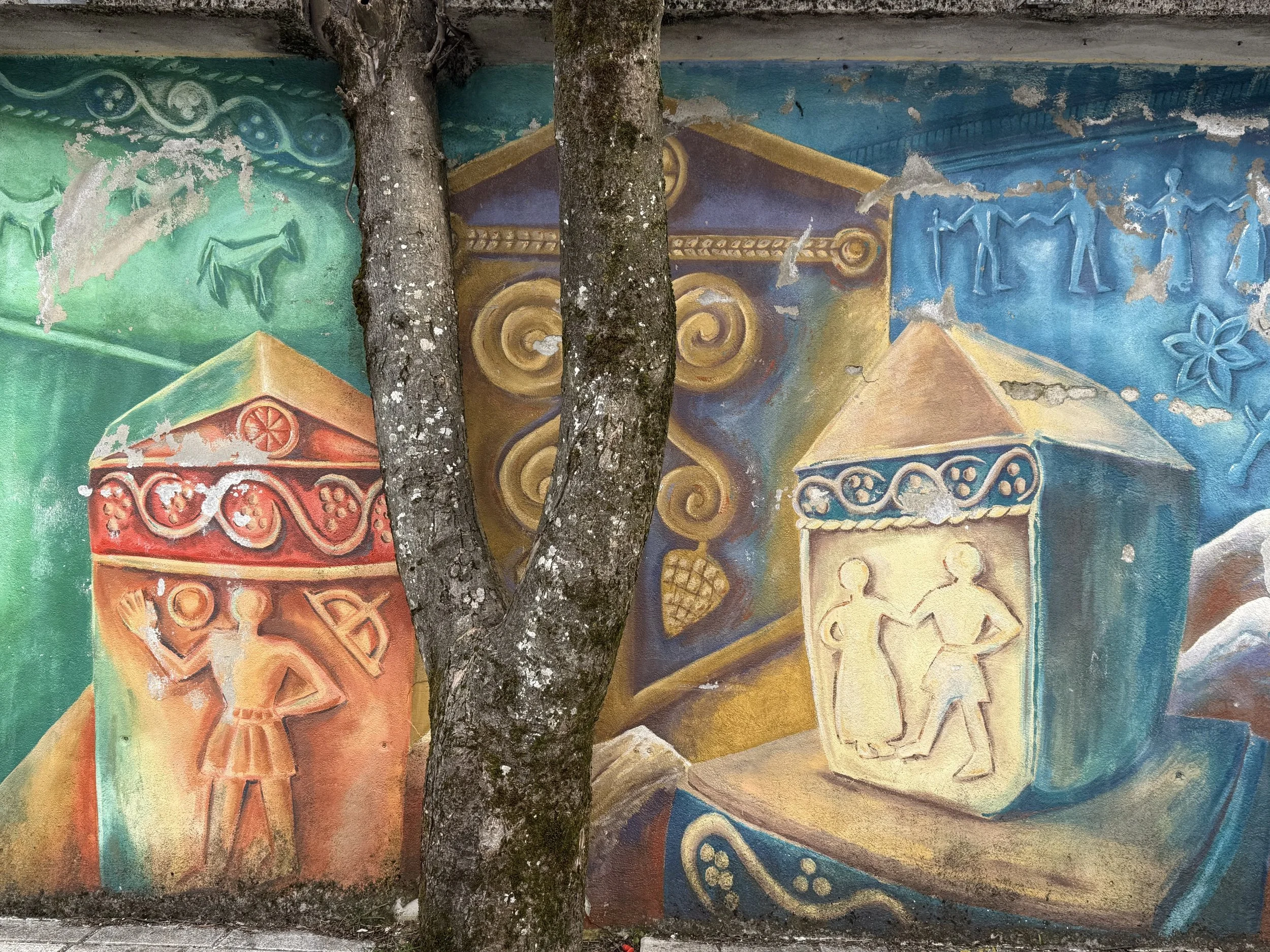
I don’t want to sound like a broken record, but more towns across Bosnia and Herzegovina should be embracing the wonderful world of murals. Nevesinje well and truly has, with several delightful artistic renderings found on the blank concrete canvases in town. There are a couple of gorgeous ones on the school near the bus station, and the psychedelic stećci just off the main pedestrian drag deserve attention, but I’m giving top billing (and feature photo) to the Nebojša Glogovac mural. An actor with many popular credits to his name, Glogovac was born in Trebinje and built a career across the region before his untimely death in 2018 at the age of just 48.
Tesla Tower © John Bills
Tesla Tower (Teslin Toranj)
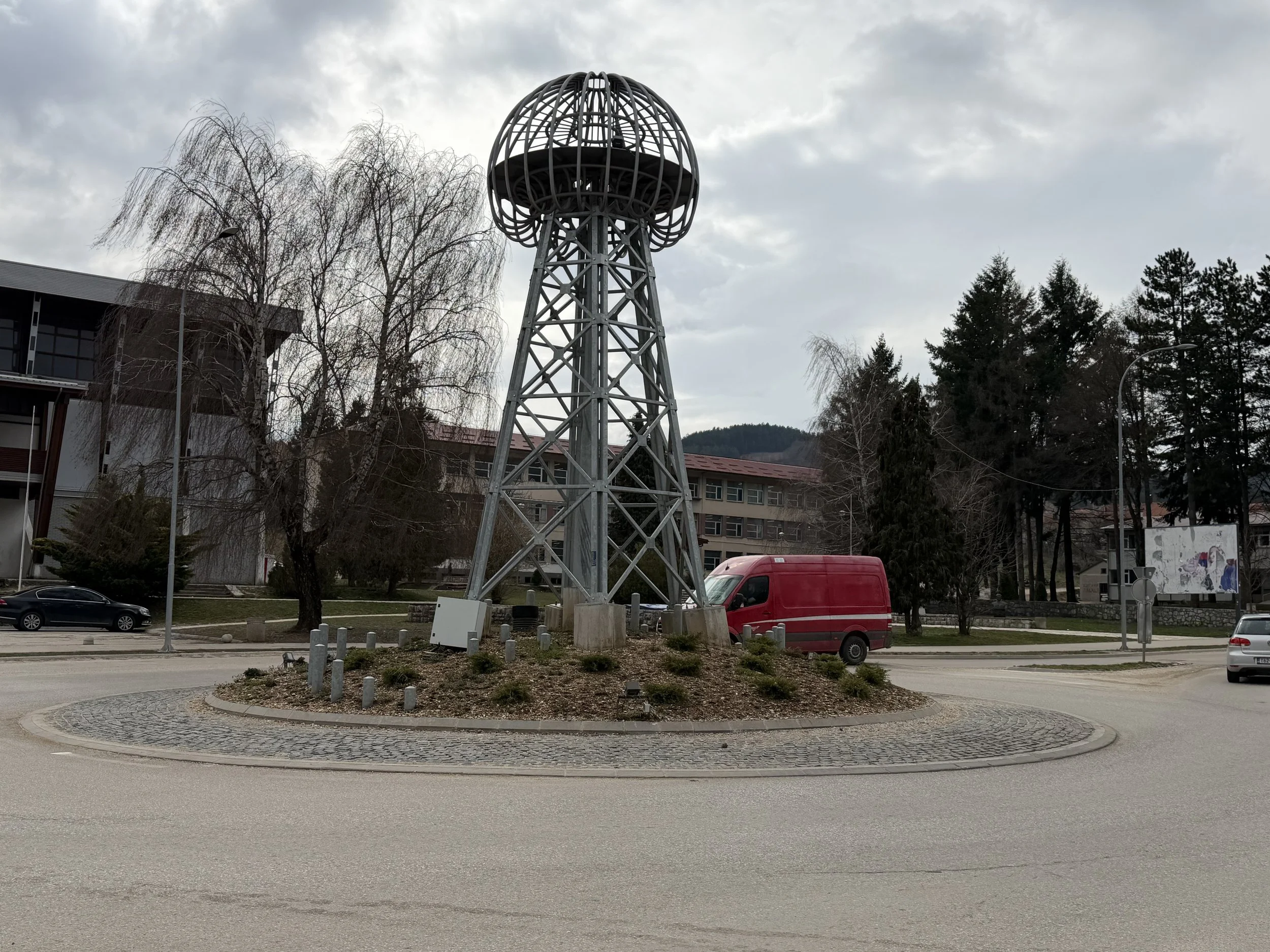
Big fan of this one, as much for the inspiration as the desire to add a bit of jazz to a roundabout. It sure beats those damn oversized letters, that’s for sure. The Tesla Tower was unveiled in Nevesinje in 2020, the work of a father-daughter architecture duo, celebrating the life and legacy of Big Nicky T himself. The 8-metre-tall tower is a replica of Tesla’s famous Wardenclyffe Tower, an unfinished and unrealised project from the beginning of the 20th century that would have provided wireless energy and communication to, uh, everybody. I think? I’m not sure. Tesla was a clever dude, and I am but a simple Welshman. While the Wardenclyffe Tower was never finished and ultimately destroyed in 1917, the Nevesinje version lives on, sitting peacefully in the centre of the roundabout next to Pansion Stadion.
Bogdan Zerajic Statue in Nevesinje © John Bills
Bogdan Žerajić Monument
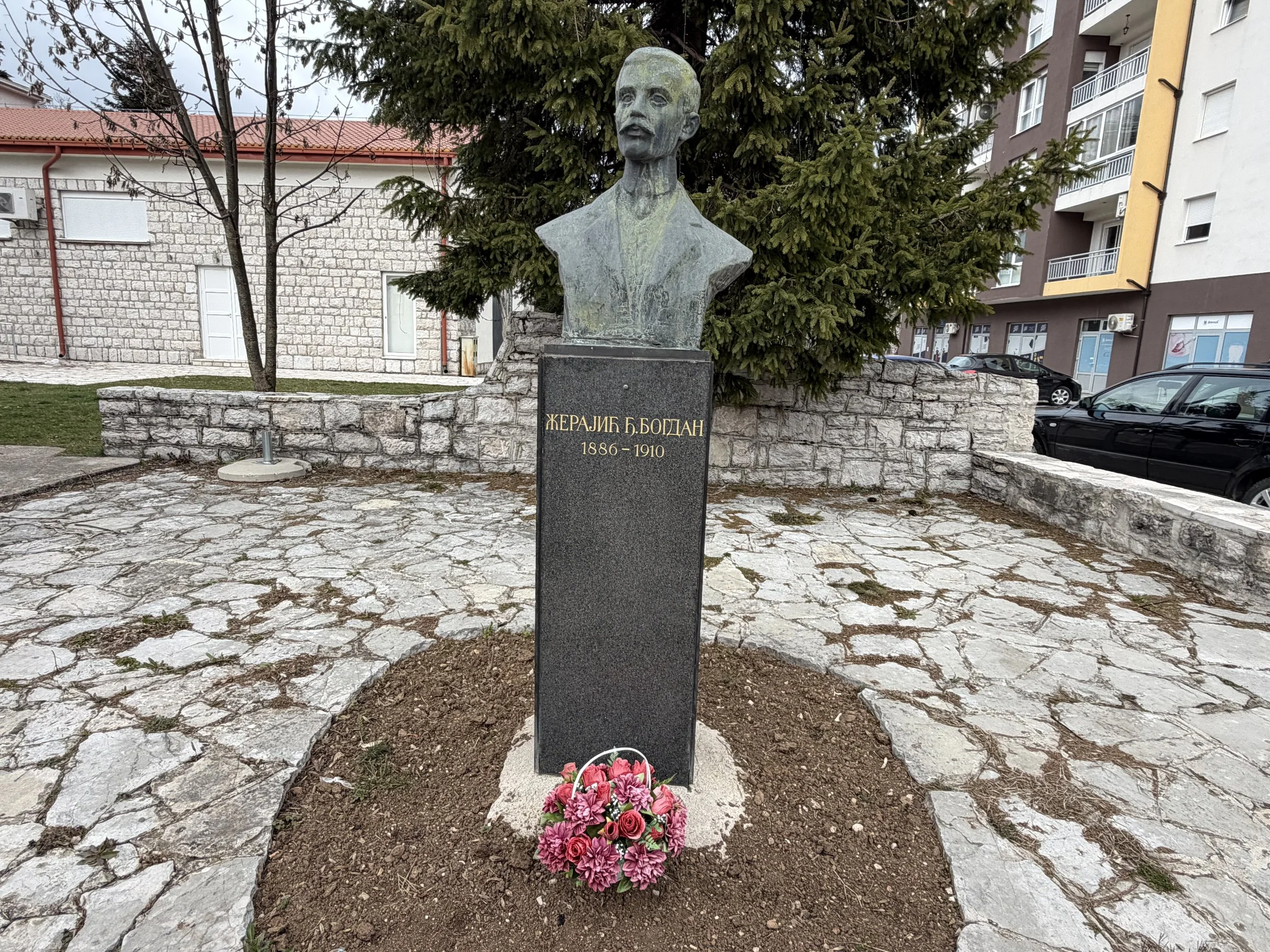
Most folks know the name Gavrilo Princip, but the man who inspired the boy who singlehandedly started World War I is not as well known worldwide. His name was Bogdan Žerajić, a student from Nevesinje who was thought to be the first in these parts to attempt assassination as a means of political and national struggle. It is a curious story, as the young Žerajić found himself on the verge of assassinating major figures in the Austro-Hungarian government (even Emperor Franz Josef at one point), only to fail or decide against doing so at the last moment. Well, that makes it sound like there were more than a couple of instances. Žerajić shot at the puppet-governor of Bosnia and Herzegovina (a Croatian nobleman called Marijan Varešanin) five times on June 15, 1910, missing with each bullet. His sixth bullet found the mark, but it was unfortunately aimed at his own head. I’ve used that quip far too many times over the years, but here we are. A bust of Žerajić now sits in the centre of Nevesinje.
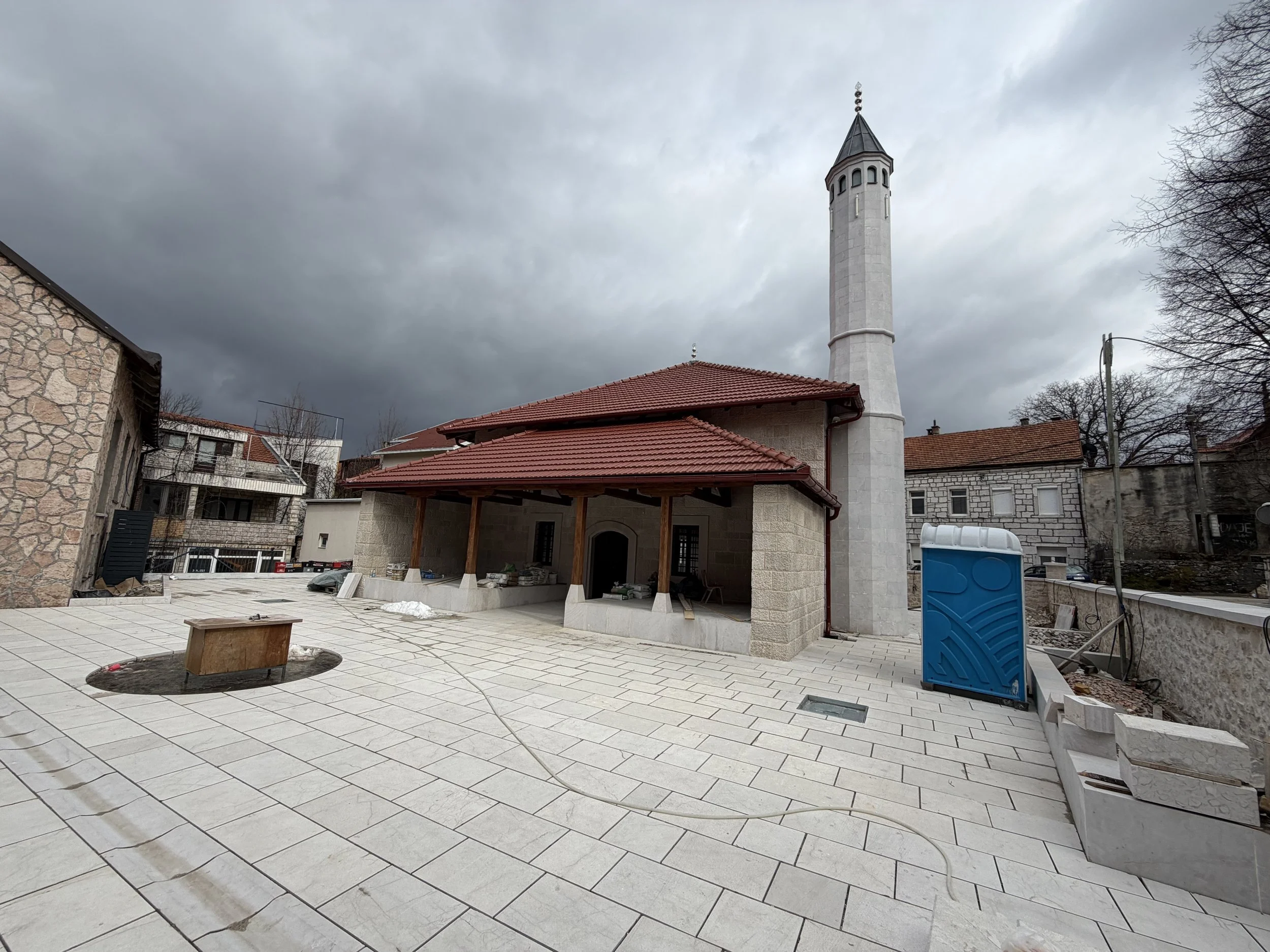
Dugalić Mosque in Nevesinje © John Bills
Dugalić Mosque (Dugalića Džamija)
Also known as the Hadži Velijjudin Bakrač Mosque (after the wealthy Nevesinje local who commissioned its construction in 1515), the Dugalić Mosque in the heart of Nevesinje is one of the oldest mosques in Herzegovina. Even ol’ Evliya Çelebi wrote about it. The mosque experienced much of the tumult that has plagued the region, coming under fire from Montenegrins in the 19th century and the VRS in the most recent war. It wasn’t until recently that it was rebuilt, a baby step on the road to recovery. Patrijarha Pavla
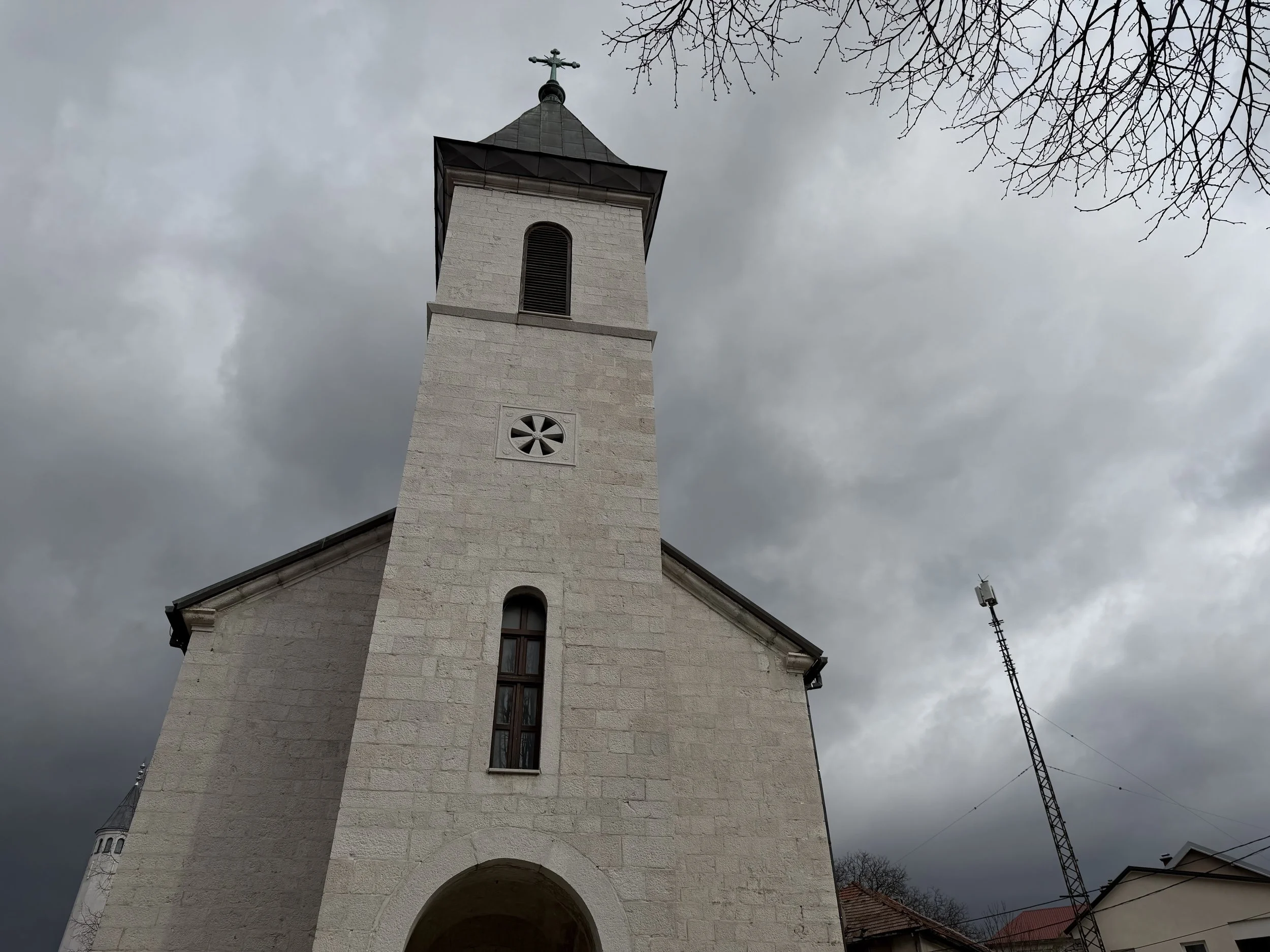
Orthodox Church in Nevesinje © John Bills
Church of the Holy Ascension of the Lord (Crkva Vaznesenja Gospodnjeg)
In the heart of Nevesinje, directly next to the Clock Tower and Dugalić Mosque, Nevesinje’s central Orthodox Church was constructed in the late 19th century and dazzles in its single-nave simplicity. There’s a lot to be said for an austere church, and that is what we find here, one that works with its surroundings as opposed to flailing in the need to dominate. The Ustaše burned down the original in World War II, and the site was used as a grain warehouse by the communists, par for the course, unfortunately. The church has since been rebuilt and once again takes its place on Nevesinje’s spiritual stage. Nevesinjskih ustanika
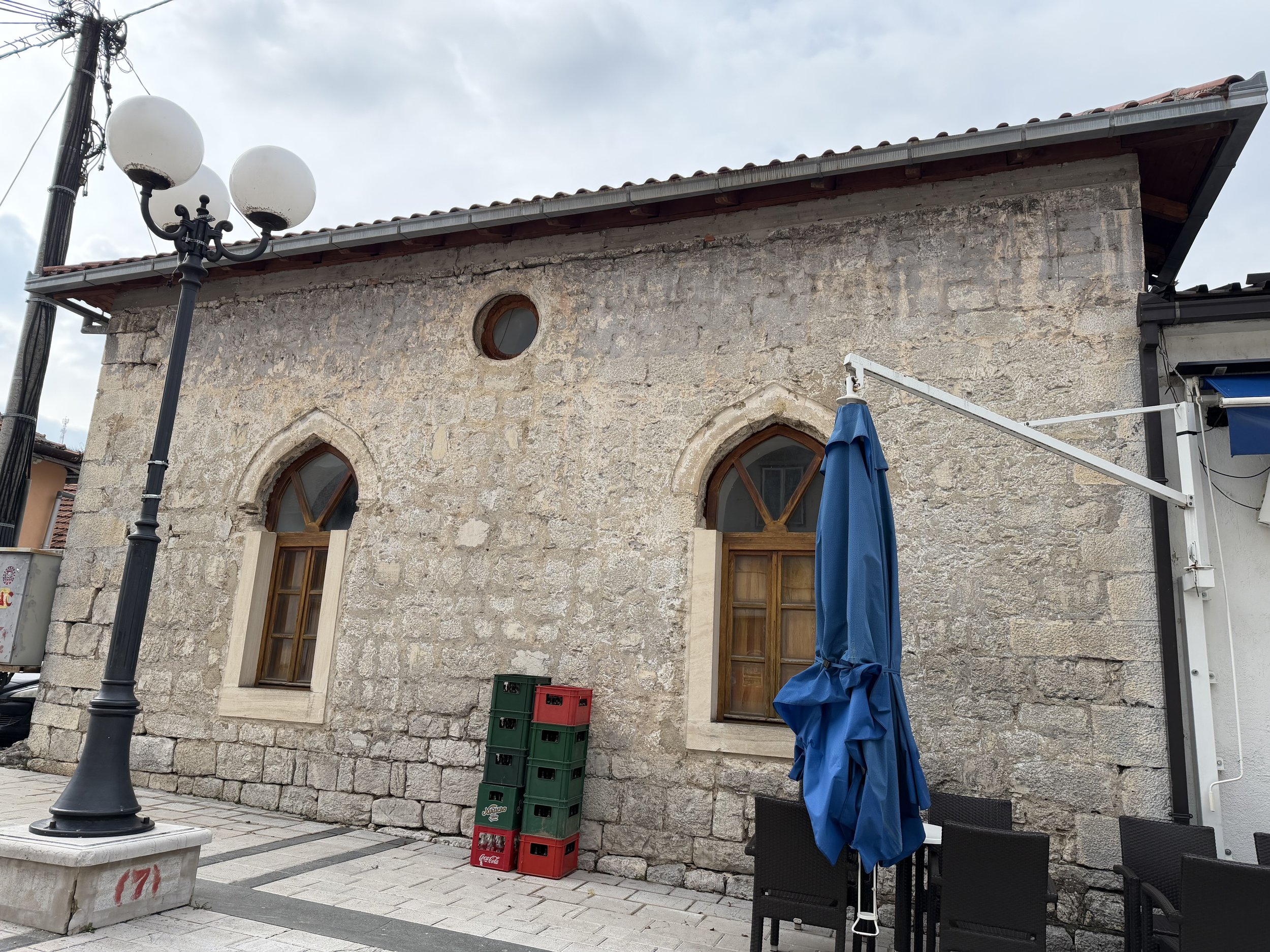
The Carsija Mosque in Nevesinje © John Bills
Čaršija Mosque (Čaršijska Džamija)
Another city centre mosque in Nevesinje, with an alternative name, the Čaršija Mosque is also known as Sinan Kadi Effendi’s Mosque (after a local kadi, obviously), or even the Čučkove Mosque (after a 19th-century dude who funded a renovation). Unfortunately, that should be “was,” as the mosque remains in a state of half-renovation following the most recent war. There is no minaret, although this was the case following the Čučka renovation in the 1880s. I’m not entirely sure why, a minaret is somewhat vital to a mosque complex, but the building is unmistakable in its original purpose. The garden is overgrown, and it remains to be seen what the future holds for the mosque. Here’s hoping. Nevesinjskih ustanika
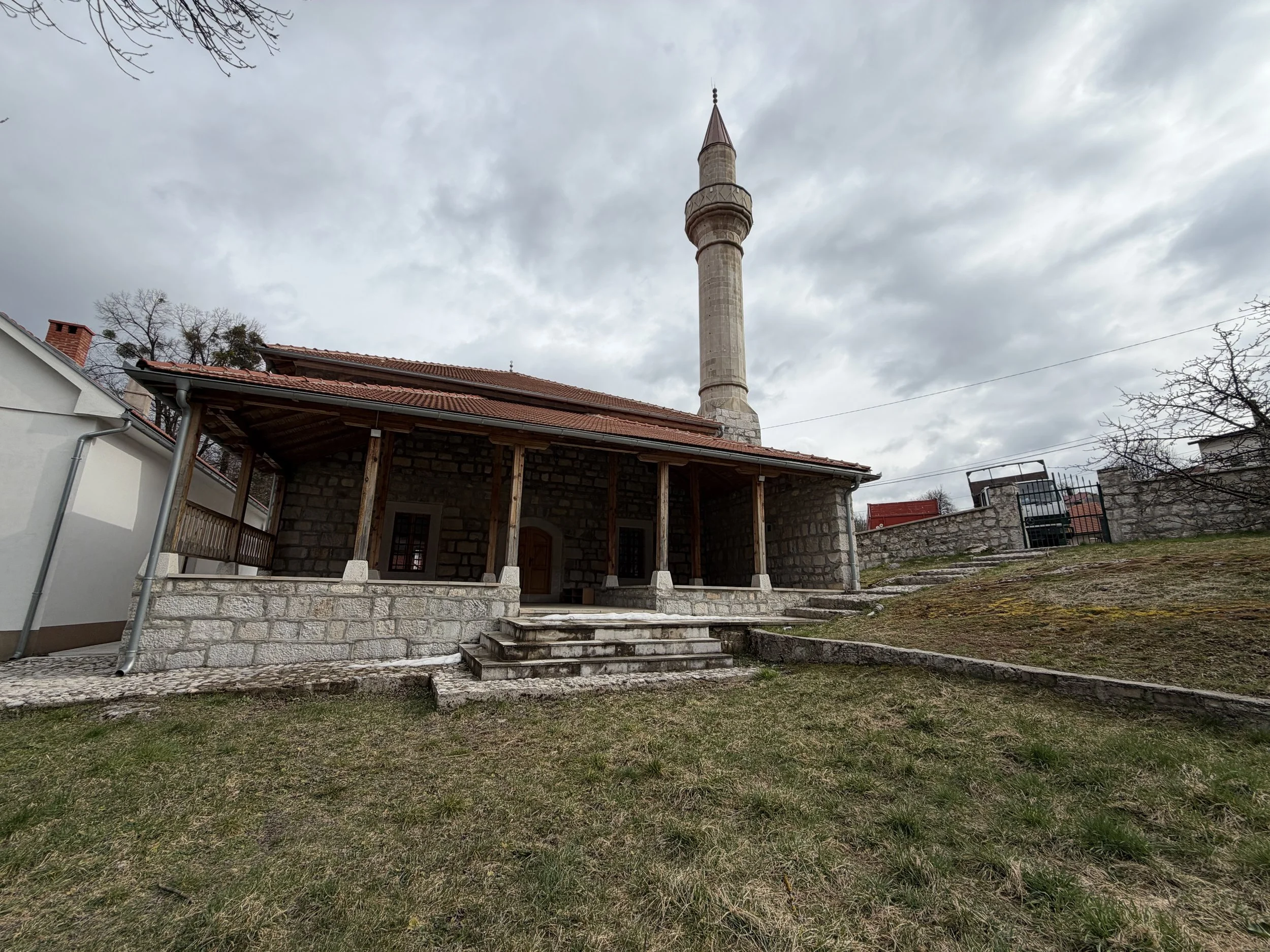
Emperor’s Mosque, Nevesinje © John Bills
Emperor’s Mosque (Careva Džamija)
The third of Nevesinje’s city-centre mosques is the oldest and most important, if you don’t mind me saying so. There is no concrete information about the original construction of the Emperor’s Mosque, but most date it to the late 15th or early 16th century, making it the oldest mosque in Herzegovina. There have been renovations over the centuries, as expected, but the central core of the mosque, mekteb, and fountain remained, at least until the most recent war. The mosque has since been restored to as close to its original form as possible, and is now a graceful picture of defiance on the western edge of Nevesinje’s centre. M6.1
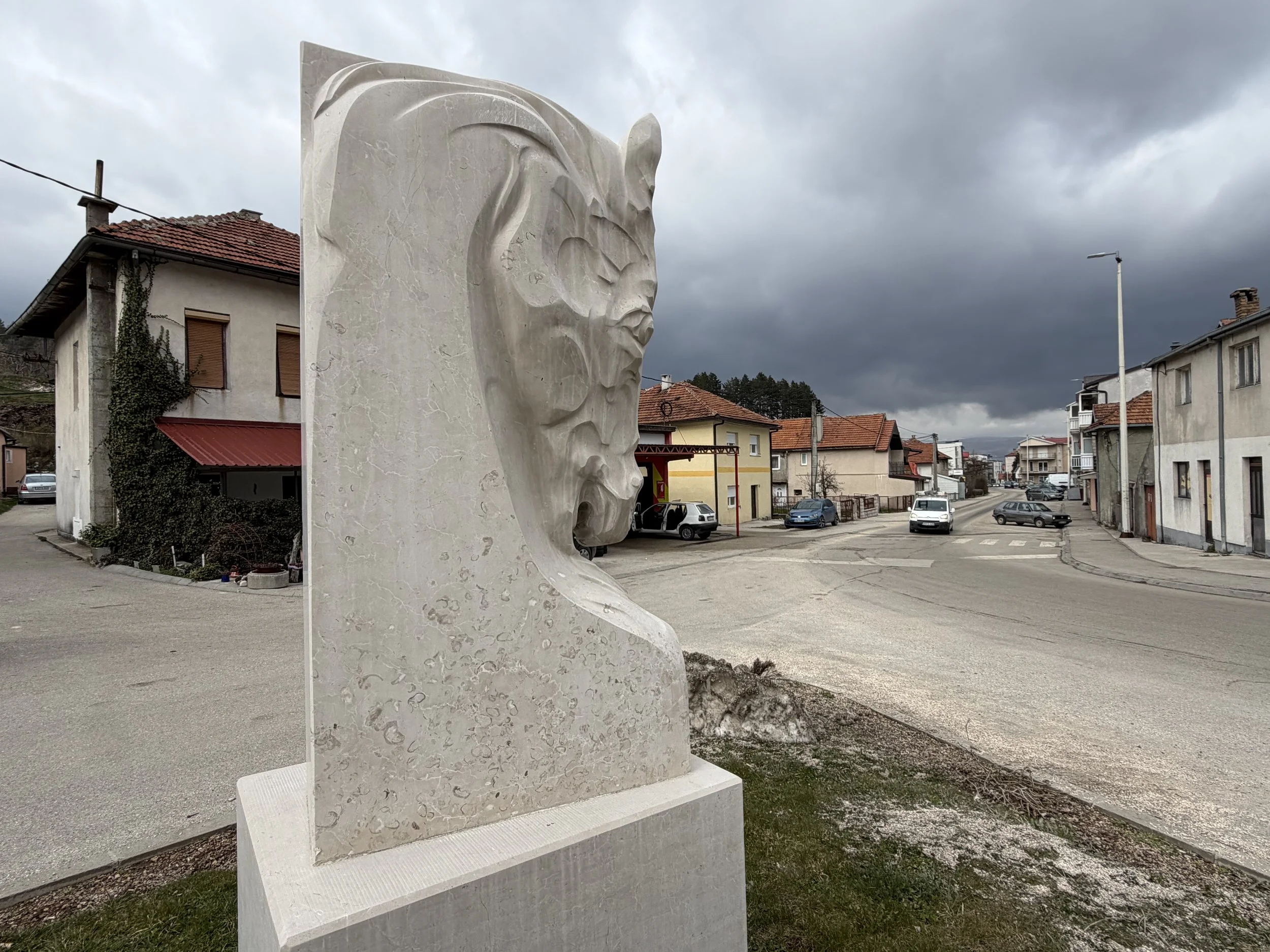
A horse! © John Bills
Horse Sculpture
Located next to the Emperor’s Mosque is a strange sculpture of a horse. Well, it isn’t strange, it is rather excellent, and the choice of this magnificent beast is not as leftfield as you might think. Nevesinje and the surrounding area have long been famous for its horses, and it is only right that these beauties get a nod of the head and a doff of the cap in the town. The sculpture is the work of Mihajlo Gligorić Glisa, an artist from Šabac across the border in Serbia. I had an excellent massage in Šabac, true story. Miloša Obilića
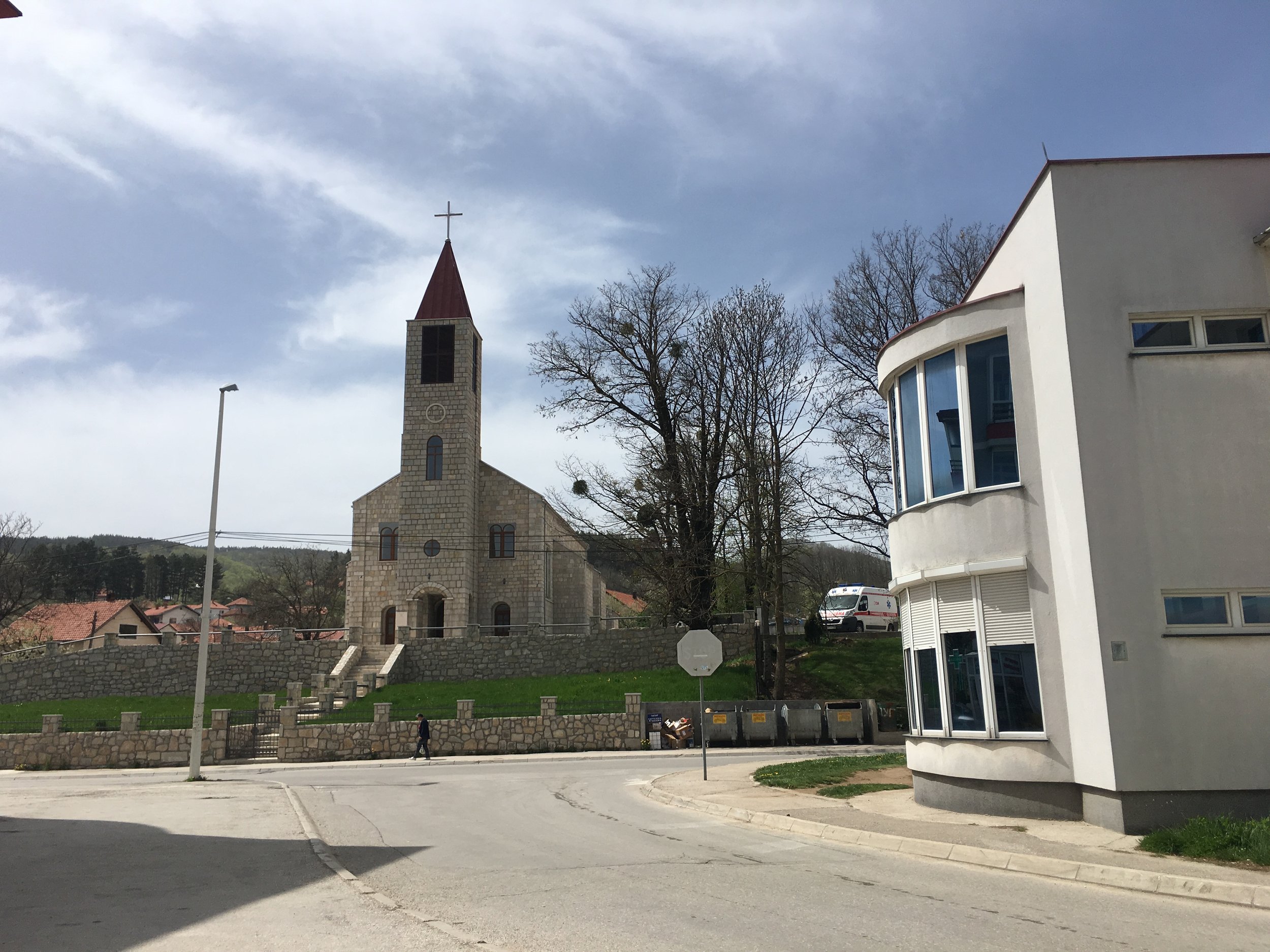
Catholic Church in Nevesinje © John Bills
Church of the Assumption of the Blessed Virgin Mary (Katolička crkva Uznesenja Blažene Djevice Marije)
The Catholic Church in Nevesinje is a charming one, all stone and grace, located just a short walk from the centre of town. There used to be a large number of Catholics in this part of the country, and the original church was constructed at the beginning of the 20th century (between 1901 and 1903, if you want specifics). The local parish priest put his life and soul into the thing, and it looks like it was quite the creation. Unfortunately, the original church was damaged in World War II, used as a warehouse during the first half of communist Yugoslavia, and then demolished by the VRS in the most recent war. The church was rebuilt in the years since, although census data suggests there aren’t many Catholics left in Nevesinje. I mean, the 2013 census had a grand total of 6. As in six. Nemanjića.
BREWS, BOOZE, AND BITES
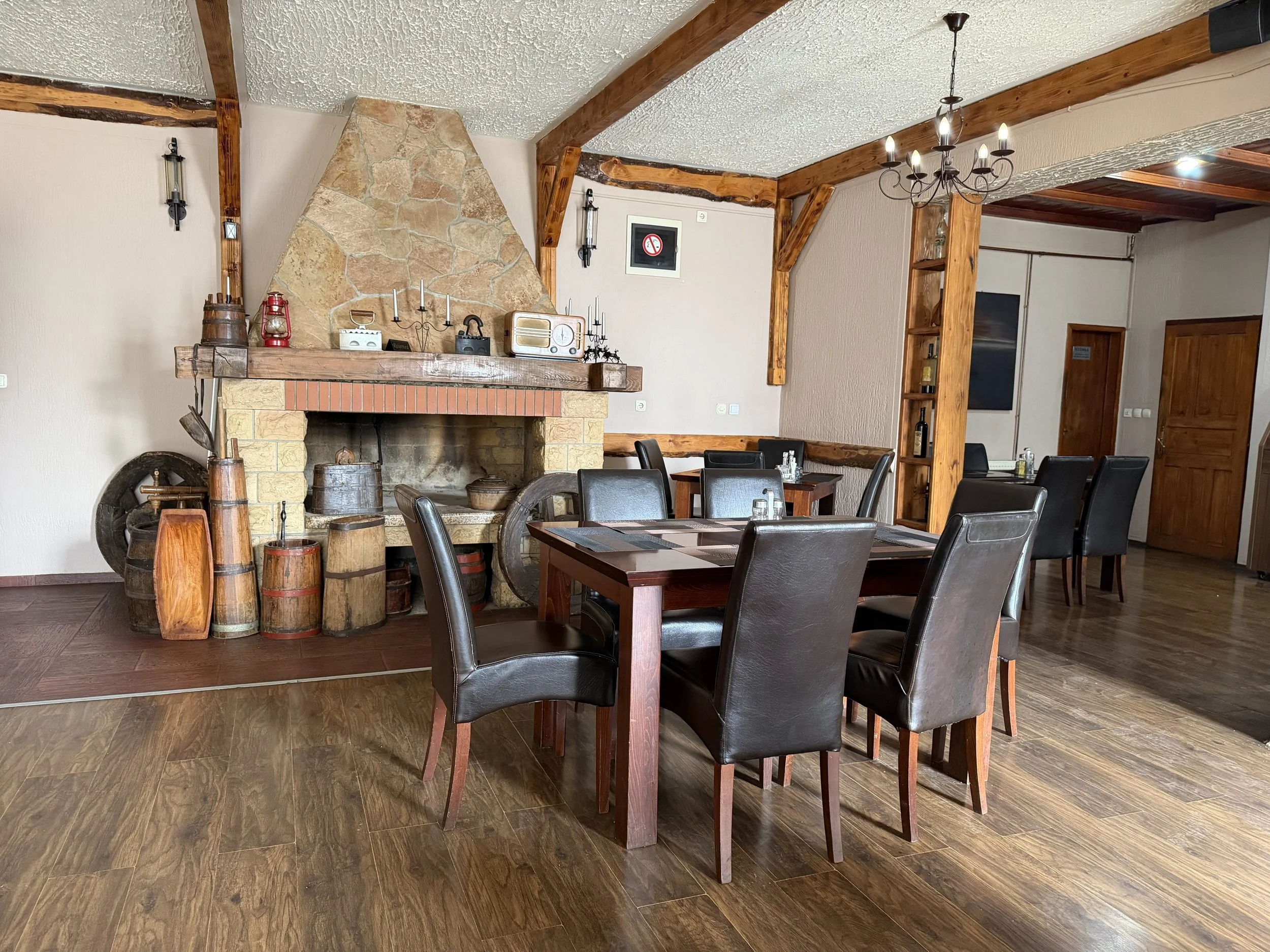
Interior of Pansion Stadion © John Bills
Cafes in Nevesinje are 10-a-penny, whatever that means, and you can get yourself a decent espresso or a cold beer no matter where you sit. There is plenty of choice, from the creatively named Kafe Bar Klub (Trg Blagoja Parovica, +387 65 974 015) on the square to Korzo (Nevesinjskih ustanika, +387 65 475 007) and Ex (Nevesinjskih ustanika, +387 66 717 555) on the pedestrian street. Old School Beer Pub (Cara Dušana, +387 65 926 087) is your best bet for a drink, although it can get rowdy on the weekends. Not big on names here, I guess? The trend continues with restaurants, although the food at Pansion Stadion (M6.1, +387 59 601 527) gives it a place in the long line of delightful home-cooking spots in the region. There is also a cafe and restaurant in the relatively new Tropic supermarket. It’s called Atrium. Of course it is.
SLEEPING
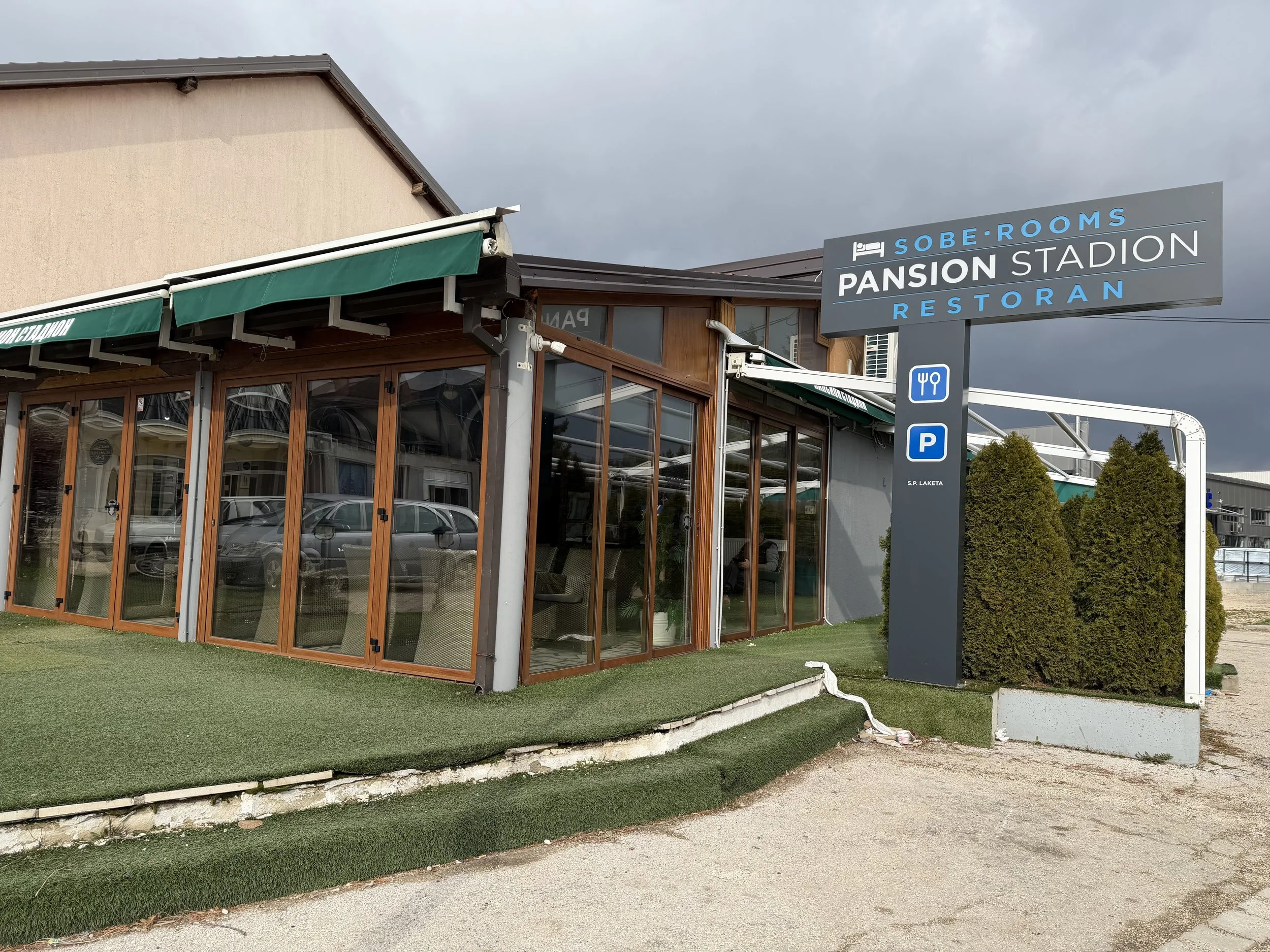
Pansion Stadion in Nevesinje © John Bills
Not much to report here, although Pansion Stadion (M6.1, +387 59 601 527) has cheap and cheerful rooms that tick the box for a night in Nevesinje. The staff don’t speak English, but why would they? You should learn some Bosnian. There are a couple of other apartment options in and around town.