NEUM
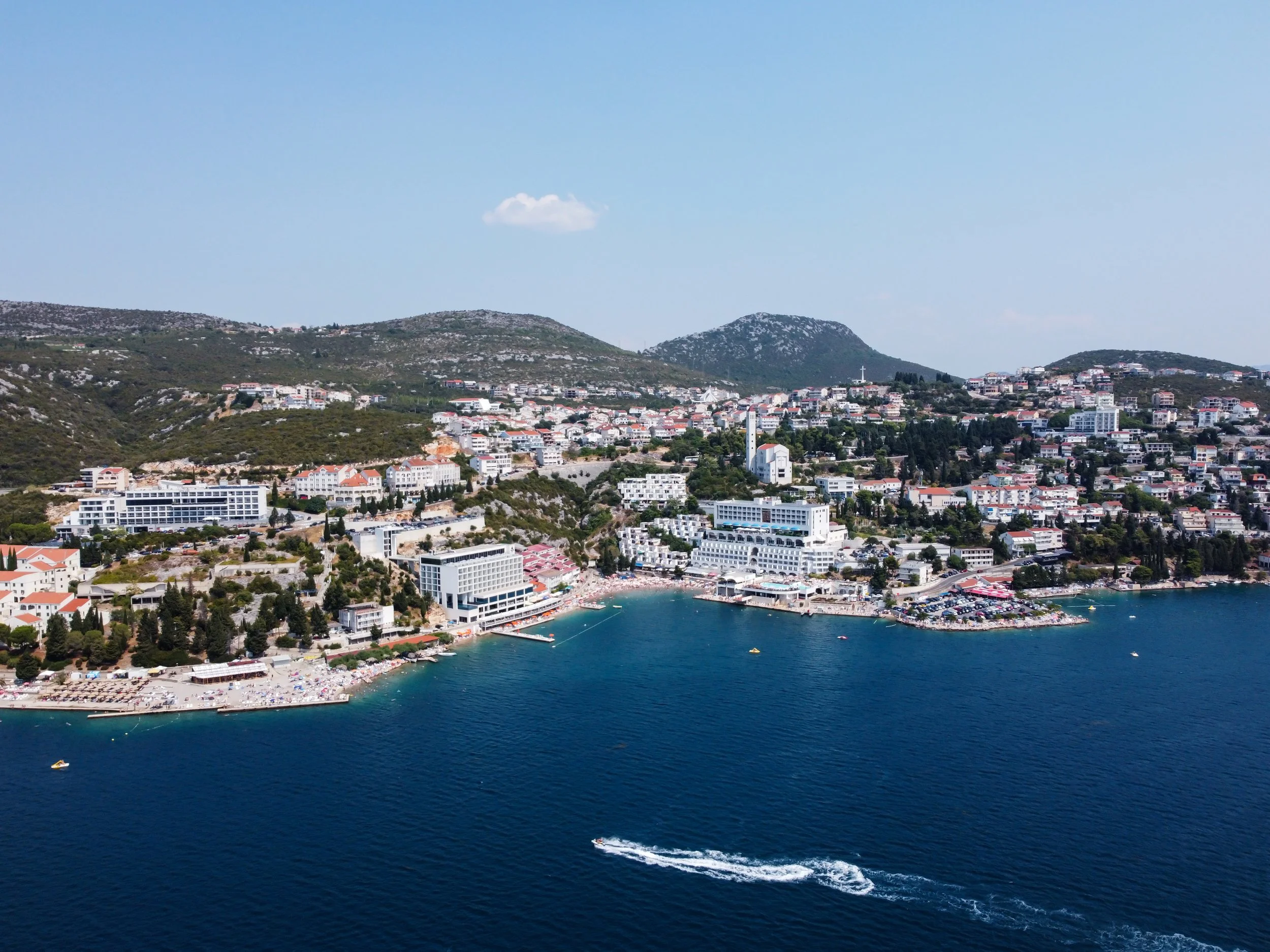
Aerial view of Neum © Ajdin Kamber // Shutterstock.com
Yes, yes, we’ve all seen the hilarious social media posts about Croatia not letting Bosnia and Herzegovina have a coast. Chortle, chortle, so very funny, six seven, Kony 2012, and on and on until there’s nothing left. Why does Bosnia and Herzegovina have only 20 kilometres of coastline? In 1699, this small piece of land was ceded by Ragusa to the Ottoman Empire as a buffer against the Venetians. That’s it. See, that wasn’t so hard, was it? And no, I’m not fun at parties, because I don’t go to parties. I’m a grown adult.
What of Neum today? The seaside city is in a strange position, figuratively speaking, as it doesn’t get the attention afforded to Croatian towns on the coast, yet still carries itself with all the grandeur of a resort town. That is exactly what it is, of course, and visitors to Neum will find stunning sea views, a collection of excellent hotels, and plenty of space to lounge when the sun is shining. The sun shines plenty in summer, don’t you worry. It does make for something of a ghost town outside of the season, but who goes to the seaside in winter? During the season, Neum is a warren of activity, a delightful spot that offers all the joys of the Adriatic at a much more affordable price and without the insufferable crowds of gawping people.
TRANSPORT
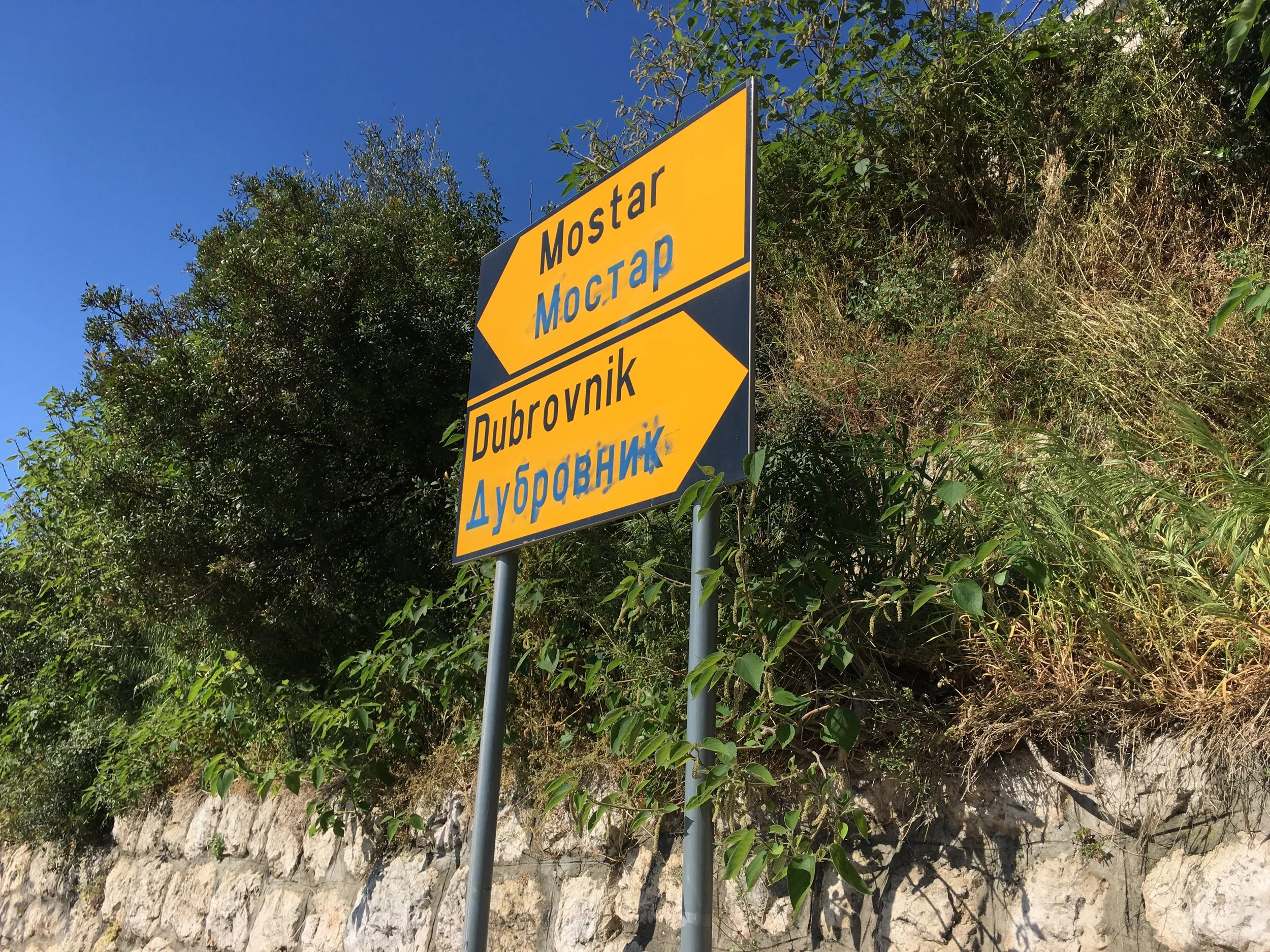
Road signs in Neum © John Bills
Neum bus station is another side-of-the-road job, although you shouldn’t have too much difficulty working out whether you are in Neum or not. You’ll see the sea, for one, and Bosnia and Herzegovina has only one seaside town. Buses actually stop in a couple of places here, namely by Konzum and Hotel Jadran. You can board buses to Mostar, Sarajevo, Trebinje, Banja Luka, and Zenica, as well as daily buses to Dubrovnik. Get your passport ready.
WHAT TO SEE AND DO
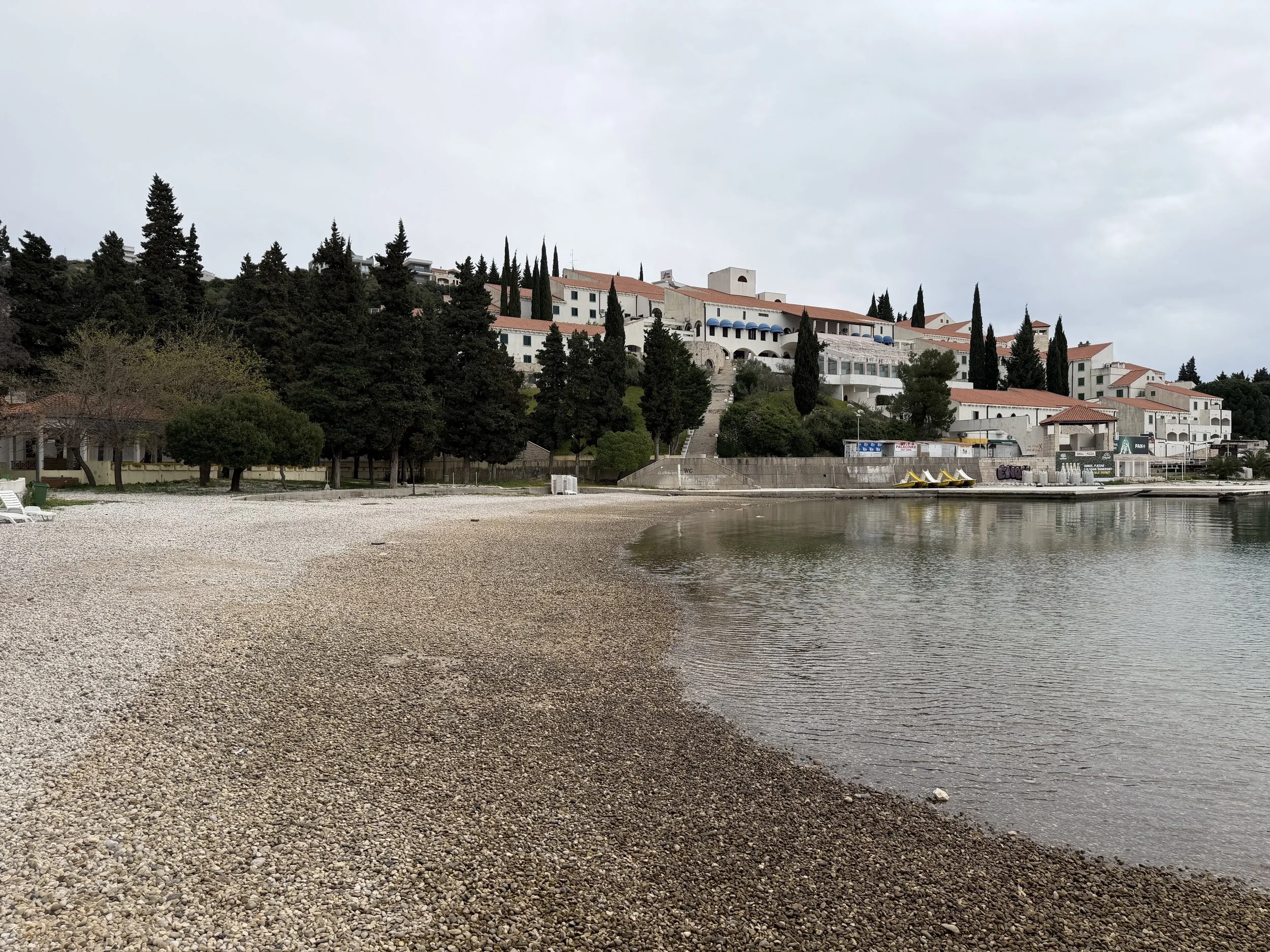
A beach in Neum © John Bills
Neum Beaches
Neum could have all of the curious cultural attractions in the world, but most visitors would still spend their time gazing at the gorgeous water. That might not be true, primarily because having all of the curious cultural attractions in the world in one place would be difficult to comprehend, but I’m getting away from the point here. Neum, in its actual, real form, is all about its city beaches. Pebbles, stones, and concrete dominate, but there are usually more than enough loungers to go around. The primary beaches are within the centre of the town, and all are found beneath major hotels, namely Marea, Vapore, and Grand Hotel Neum, while Meredek Beach offers something a little more peaceful outside of the centre. You don’t need me to tell you what to do on a beach. Bring a book, wear suncream, drink plenty of water, and get working on that tan.
Neum Cannons (Neumski topovi)
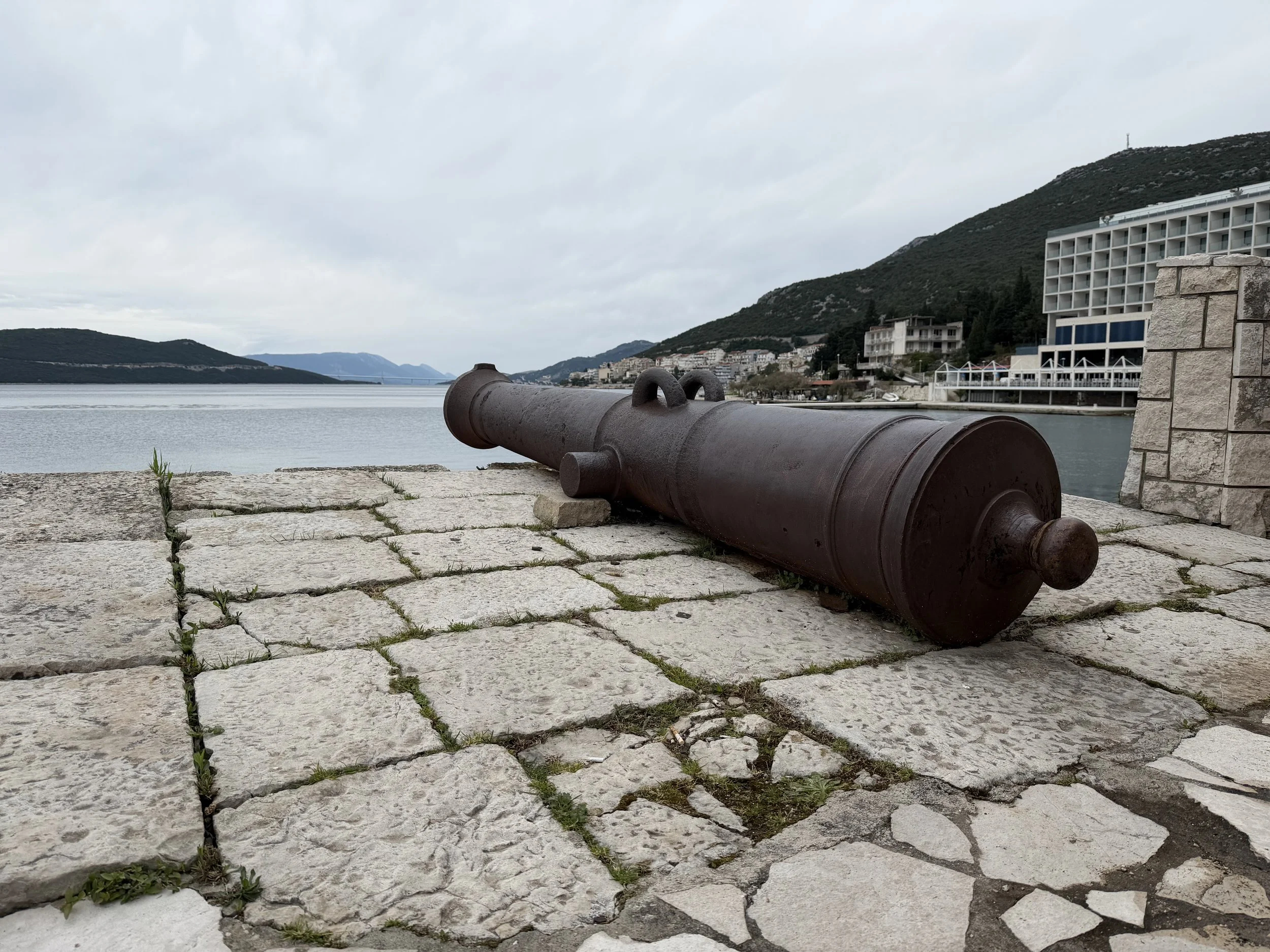
A cannon in Neum © John Bills
For whatever reason, I’ve struggled to find concrete information about the cannons that lay ready on the waterfront of Neum. This could be because they are simply cannons, and there isn’t much of a story to tell. Still, they are strangely picturesque and have long been an integral part of the promenade in BiH’s only seaside city.
Church of St. Anthony (Crkva svetog Ante)
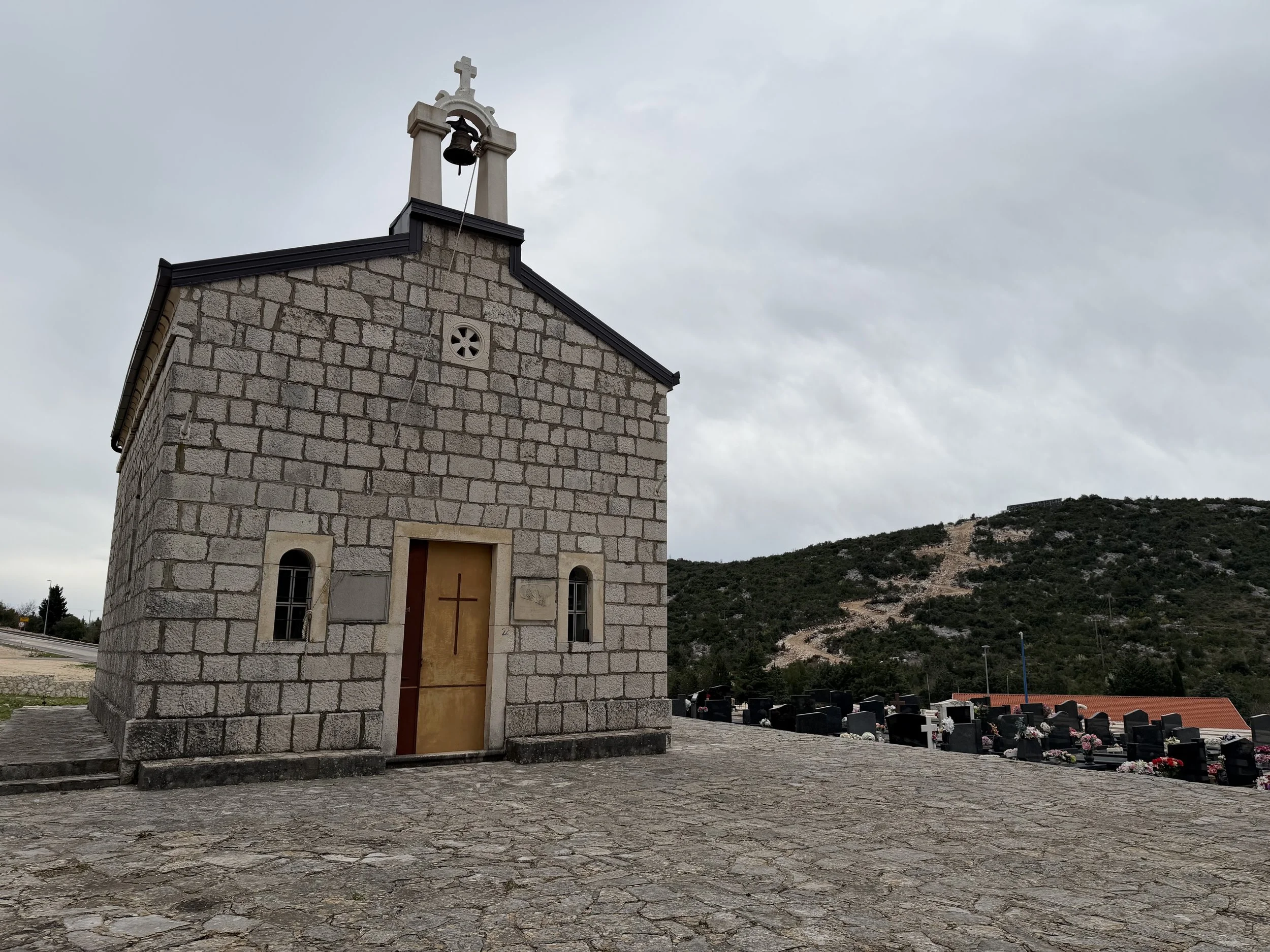
Church of St Anthony in Neum © John Bills
Now this is a church, a delightful little chap sat on a hill above Neum. The monolithic tower in the city centre gets the attention, but the Church of St. Anthony is undoubtedly Neum at its most spiritual, and that has long been the case. A stone church that takes its architectural cues from the regional standard, it was built in 1904 and has stood in this peaceful spot ever since. A small cemetery sits next to the church (as you might assume). Put Svetog Ante
Church of St John (Crkva svetog Ivana)
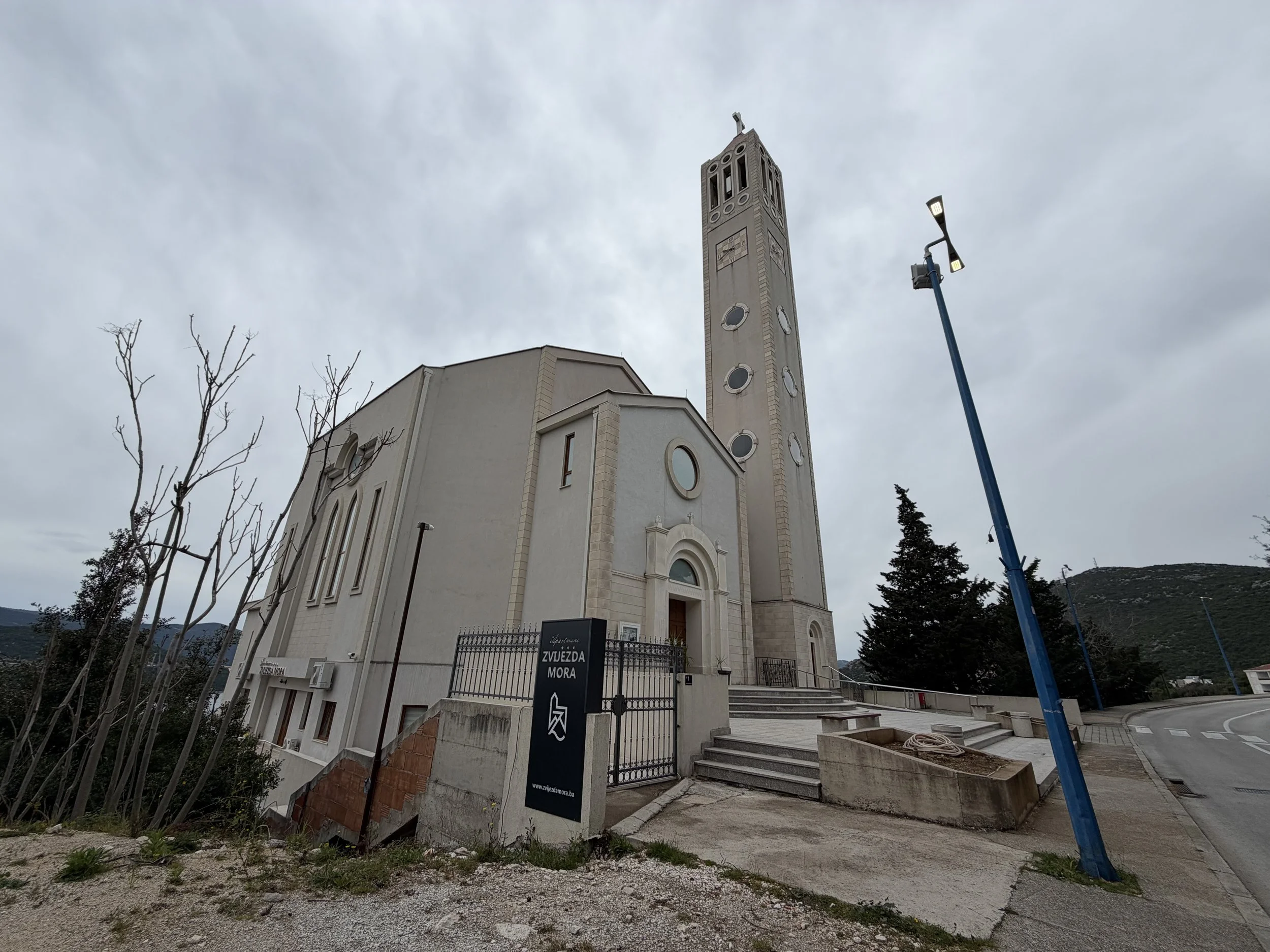
Large church in Neum © John Bills
You can’t really miss the massive Church of St. John in the centre of Neum, what with its monolithic tower and idyllic position overlooking the sea. This is (obviously) the new church in town, providing a central space of spiritual refuge for the holy in and around Neum. It doesn’t have the charm or intimacy of the older churches in these parts, but that isn’t a great shock. The church is functional, and its size does the rest. The 21st-century church also has apartments for rent, although I’m not entirely sure what to make of that. Ruđera Boškovića
Lake Vrutak (Jezero Vrutak)
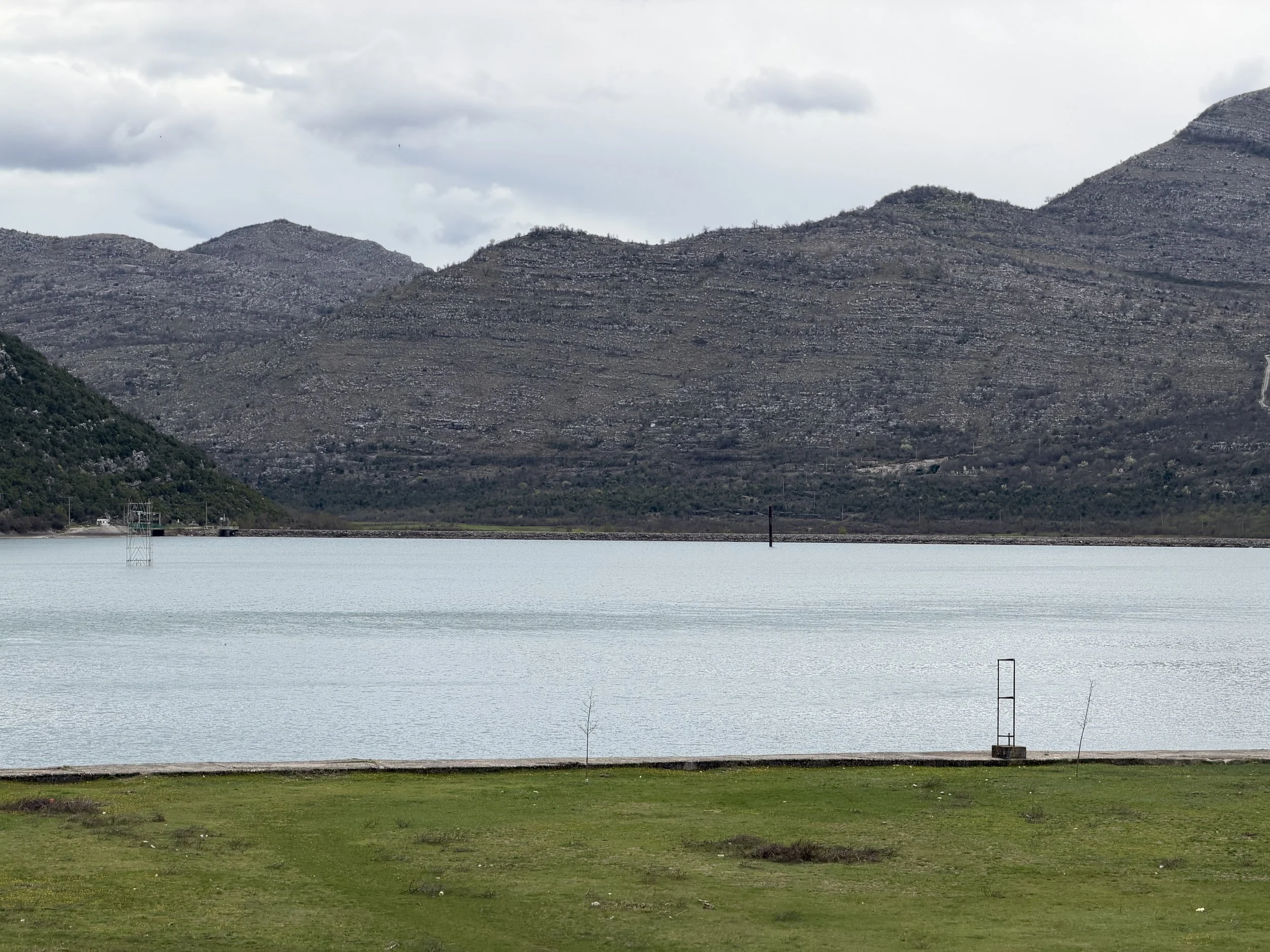
Lake Vrutak ˙© John Bills
Bosnia and Herzegovina has plenty of lakes created by the building of hydroelectric power plants, and you can add Lake Vrutak to the list. Located on the western edge of Popovo Polje, 10 miles northwest of Ravno, what Vrutak lacks in infrastructure it makes up for in not having any infrastructure. Yes, an awkward contradiction, but it makes sense to me. You won’t find amenities and conveniences, but you will find gorgeous views, wistful peace, and a true escape from the utter hassle of everyday life. There are many reasons to be thankful for the building of the Čapljina hydroelectric power plant in 1979, and Lake Vrutak is chief among them.
Hadžibeg’s Tower (Hadžibegov Grad)
I’ve not got a lot of info about this here lonely tower and its mysterious walls, but they do say that you can sometimes hear the voices of the souls crying out for help. That sounds scary, but life is terrifying. The so-called Hadžibeg’s Tower (or Hadžibeg’s Town or Hutoto Grad, depending on who you ask) is located near the village of Hutovo, around 12 miles inland from Neum, deep in the Popovo Polje, and is on the country’s list of national monuments. The name suggests it was constructed during the reign of Hadži Mehmed-beg Rizvanbegović, a violent tyrant if ever there was one, and it is occasionally used for events. A fun contradiction, that one, provided you block out the aforementioned voices crying for help.
BREWS, BOOZE, AND BITES
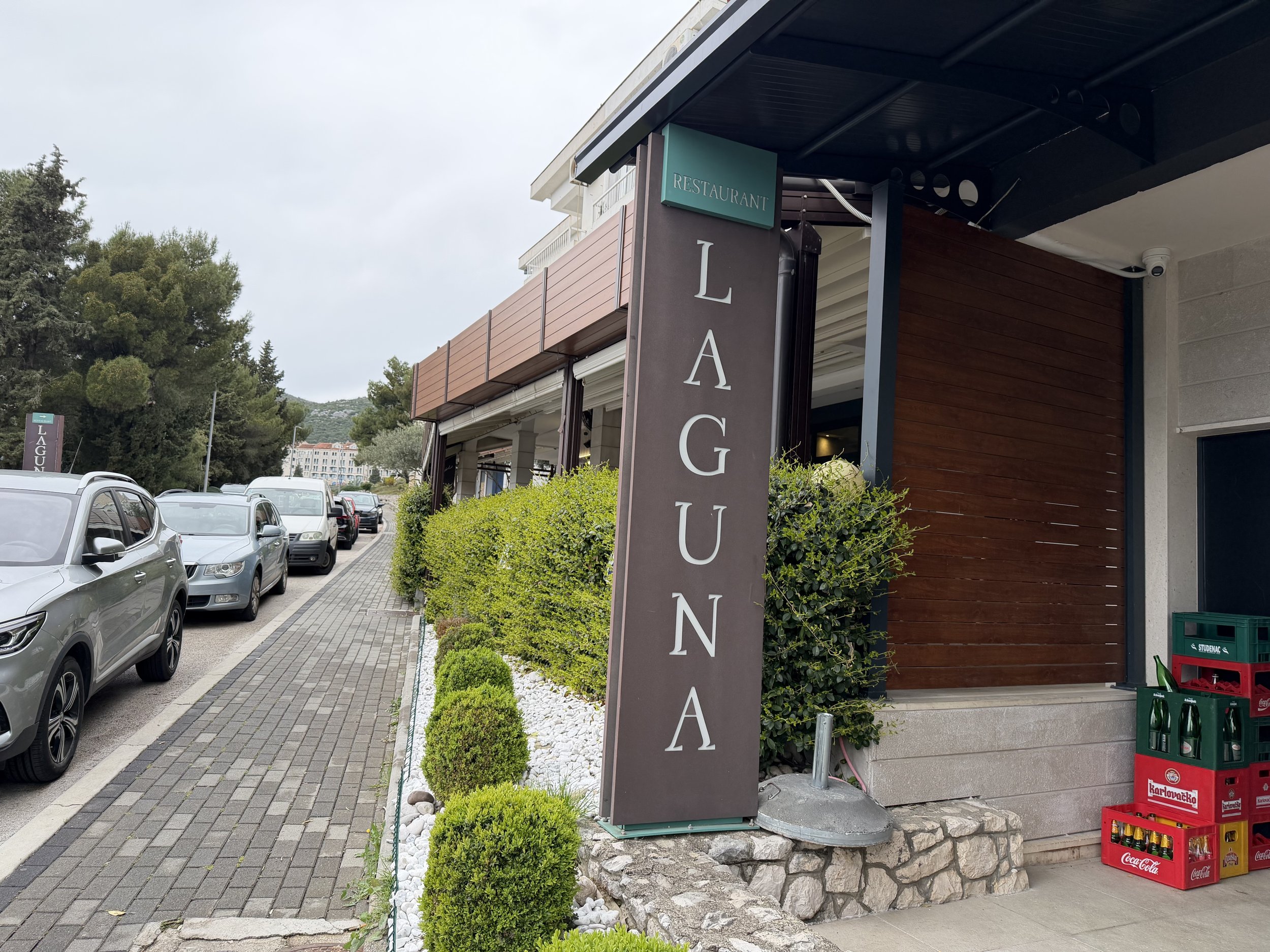
Restoran Laguna in Neum © John Bills
There are plenty of food and drink options in and around Neum, but be aware that this is only the case during the season. Outside of the May to October time, you’ll struggle to find any real choice on the eating and sipping side of things. With that in mind, I’ll doff my cap to Restoran Laguna (Kralja Tomislava 26, +387 36 880 812), one of the few places to eat year-round and undoubtedly one of the best. The same goes for CityBar Caffe (Kralja Tomislva, +387 63 190 109) on the coffee and booze front. During the summer, you can have decent eats with sea views at Bonaca (Kralja Tomislava 48, +387 36 880 182) and Galeb (Franje Tuđmana), while most of the hotels double-up as restaurants. I have a vague recollection of a good pizza at Marinero (Magistrala 3, +387 63 353 584), but that was a long time ago. I have faith in you, Marinero.
SLEEPING
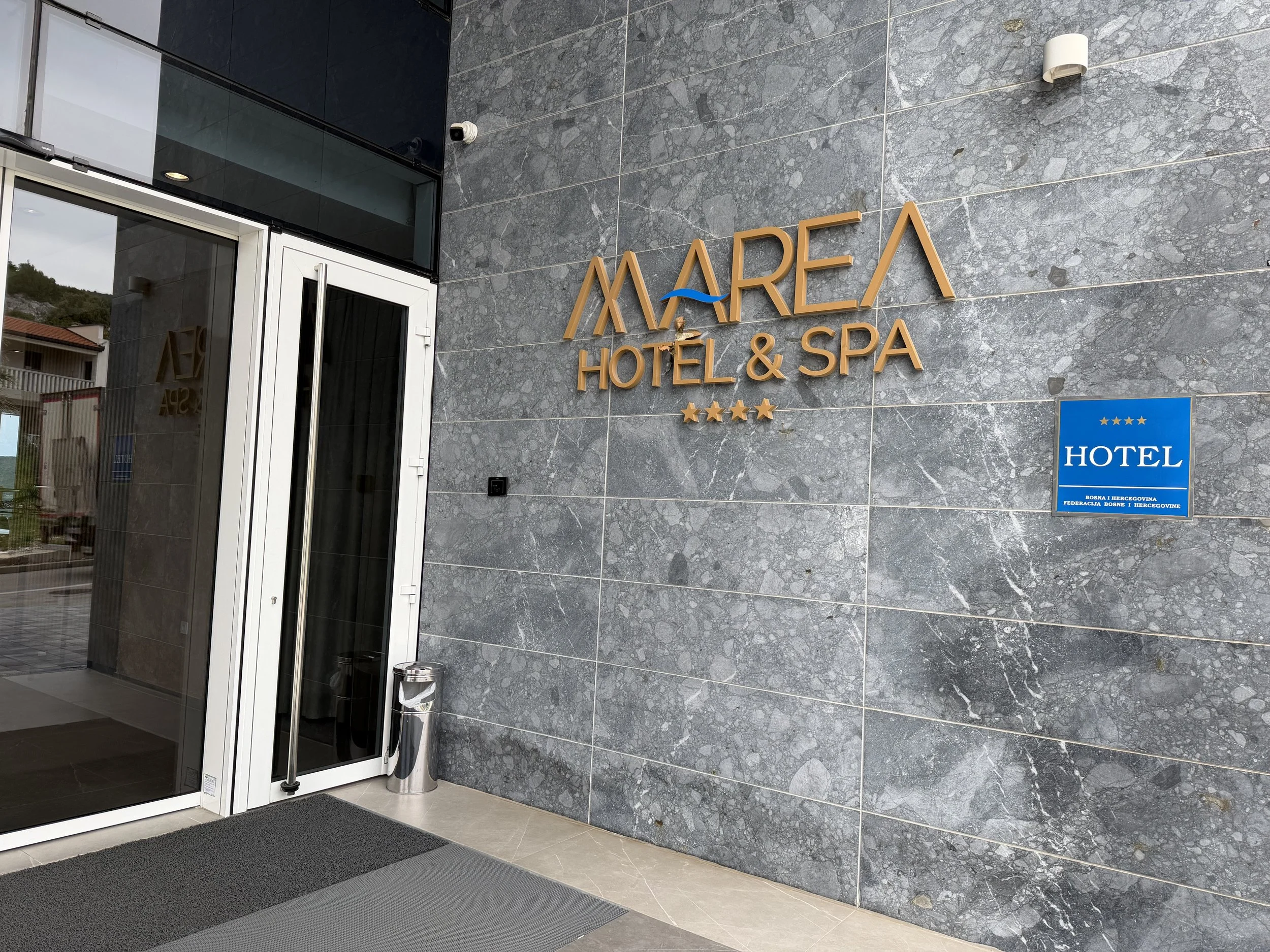
Hotel Marea in Neum © John Bills
Well, you won’t struggle to find somewhere to stay in Neum, that’s for sure. The city is pretty much entirely covered in hotels and resorts at this point, and while this is a good thing for getting some sleep, it probably isn’t great for the long-term sustainability of such a small community. Still, you need to sleep somewhere, right? The big-hitters are well worth the cost, so get yourself booked in at Marea Hotel and Spa (Ruđera Boškovića, +387 36 880 555), Grand Hotel Neum (Zagrebačka, +387 36 880 222), Hotel Jadran (Magistrala, +387 36 885 900), Hotel Sunce (Kralja Tomislava 54, +387 36 880 033), or Hotel Vapore (Franje Tuđmana 12, +387 36 885 500). If you want something a little more Yugoslav, give Hotel Zenit (Ruđera Boškovića 3, +387 36 880 144) a look. The architecture is tremendous, in all meanings of the word.