© John Bills
Ključ holds a somewhat infamous spot in the long history of Bosnia and Herzegovina. It was here that the last King of Bosnia was finally found and captured by the Ottomans, bringing the curtain down on Bosnia’s glory years. Ključ is synonymous with Stjepan Tomašević, and the pun-friendly among you will quickly point out that it holds the key to the country. Yes, ključ is the Bosnian word for key. Here, have a medal.
The fortress where Stevie boy was found is the town’s main event, with a friendly centre and some winsome mosques both worthy accentuations. As with pretty much everywhere in this part of the country, the surroundings are gorgeous, tied to the canton’s rivers and slowly coming to make the most of its blessed geography. Visiting the source of the Sanica River is a must.
TRANSPORT

© Azra Kujundžić
The bus station in Ključ (Branilaca BiH bb, +387 37 661 060) is a simple affair, with a waiting room and ticket office next to a smoky cafe with a working toilet. Some of the staff speak English, some don’t. Direct buses run to Sarajevo (via Jajce, Donji Vakuf, Travnik and others), Bihać and Sanski Most. The station is a short walk from the centre of town, and there is a kiosk nearby. Simple, easy peasy. If you’re travelling with your own wheels, Ključ occupies a darling spot in the hills between Jajce and Sanski Most, sitting 35km south of the latter along the M15.
WHAT TO SEE AND DO

© John Bills
Ključ Castle (Stari Grad Ključ)
There are plenty of historic fortresses in Bosnia and Herzegovina, but few possess the history chops of Ključ Castle. It was here that the pessimistically-titled Last King of Bosnia Stjepan Tomašević surrendered to the Ottomans in 1463, marking the end of Bosnia’s independence and the start of centuries of Ottoman rule. From what I can gather, the town is named after the fortress, which was so-named because of its important geographical position, but that sounds a little too obvious to me. We live in a cynical world, right? I’m going to guess there is more to it than that, but that’s the explanation we’re currently working with. Today’s views from the fortress are predictably stunning (the castle is 521m above the river, so be ready for some heck of a hike), and worth every bead of sweat expended in getting up there. There are a handful of information boards to provide context to the location, and the castle itself is neither ruined nor maintained. The walls are largely intact, as are the towers, and the views are utterly spectacular. If you have even the slightest interest in Bosnia’s history (which you should), Ključ Castle is an absolute must, and by “absolute must,” I mean a top-three fortress in the country.

© John Bills
City Mosque (Gradska Džamija)
Ključ has several mosques of the winsome variety, with the city centre Gradska Džamija the most impressive, with its confident aura and imposing location. The mosque buzzes with a large central dome and ticks all the boxes for such an institution, serving as the anchor around which daily life in Ključ ebbs and flows. Its two minarets are visible across the city. While many city mosques across the country can feel detached from everyday life, that certainly isn’t the case in Ključ; this mosque is a vital part of the fabric of everyday life here. Branilaca BiH, +387 37 661 022

© John Bills
Tekija
Sat gently on a small hill in town, Ključ’s Tekija has a fascinating story. A newly-built mosque stood proudly on this spot until the most recent war, when explosives rendered it, well, obliterated. The decision was made to build a tekija on the site instead of simply rebuilding the mosque. Why? I can’t answer that, but this winsome building with green flourishes thrives today as a centre of learning and lectures, with occasional prayers on special occasions. The minaret? That was paid for by the local community, adding another layer of charm to this gorgeous slice of spirit. Kulina bana 1
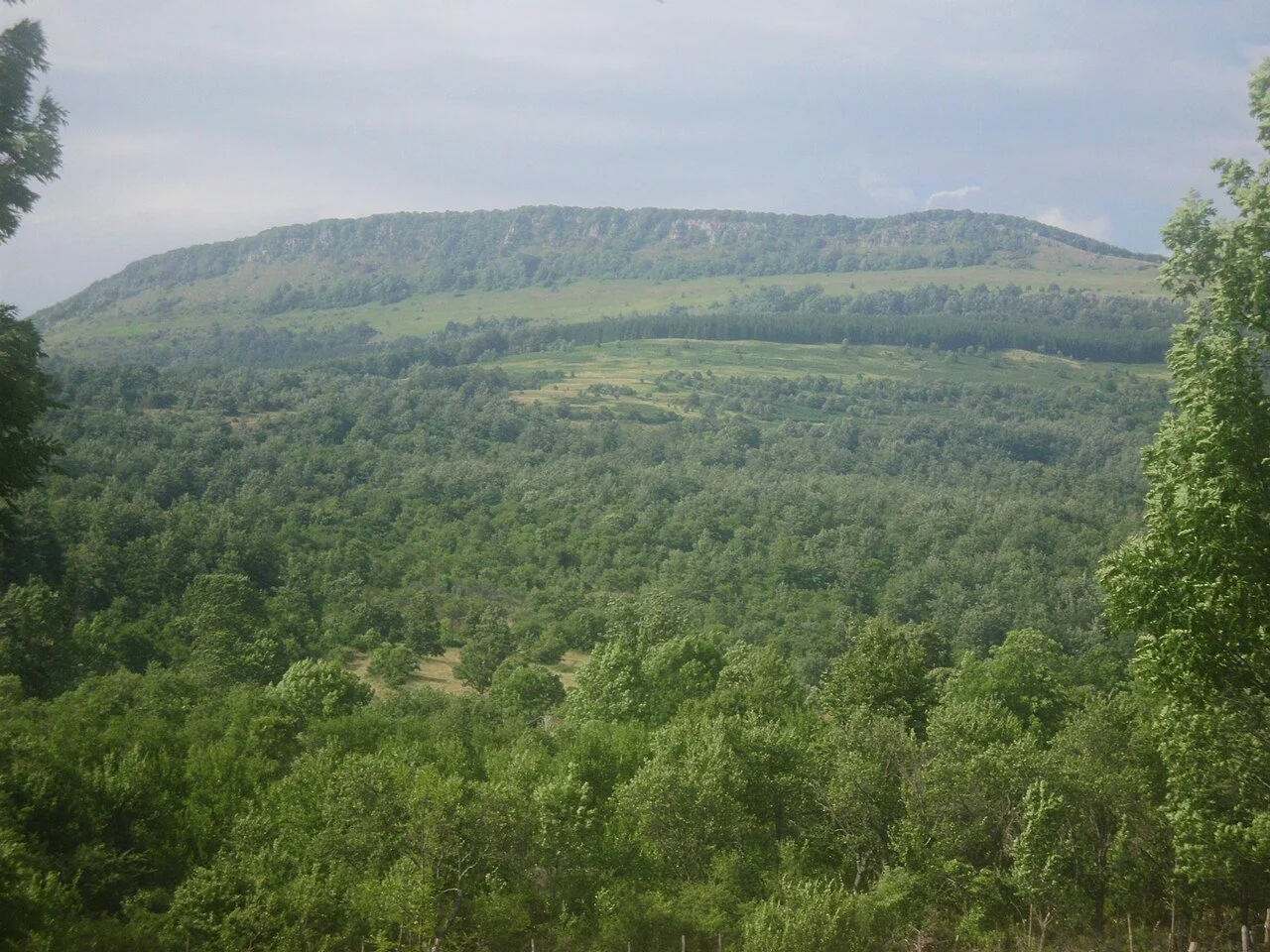
Grmeč Mountain © WikiMedia Commons
Grmeč
Okay, Ključ, you get Grmeč. This 1,605m high mountain in north-western Bosnia stretches from Bihać to Ključ, but this isn’t your ordinary expanse of greenery and gradients. Grmeč is the home of korida, or bull scraps (as in bulls going at it, mono y mono, one on one, only in America), and while your mileage on such events may vary, there is an undoubted cultural element to the occasion. The annual event is about more than the bulls, with entire communities coming together to celebrate, which means ‘eat a lot and drink even more’. Grmeč is on the Via Dinarica trail, meaning there are plenty of options for hikers. There is also a Yugoslav-era monument in the mountain, the theatrically-named Monument to the Revolution at Grmeč, commemorating a secret hospital used in the war to treat injured Partisan soldiers.
© John Bills
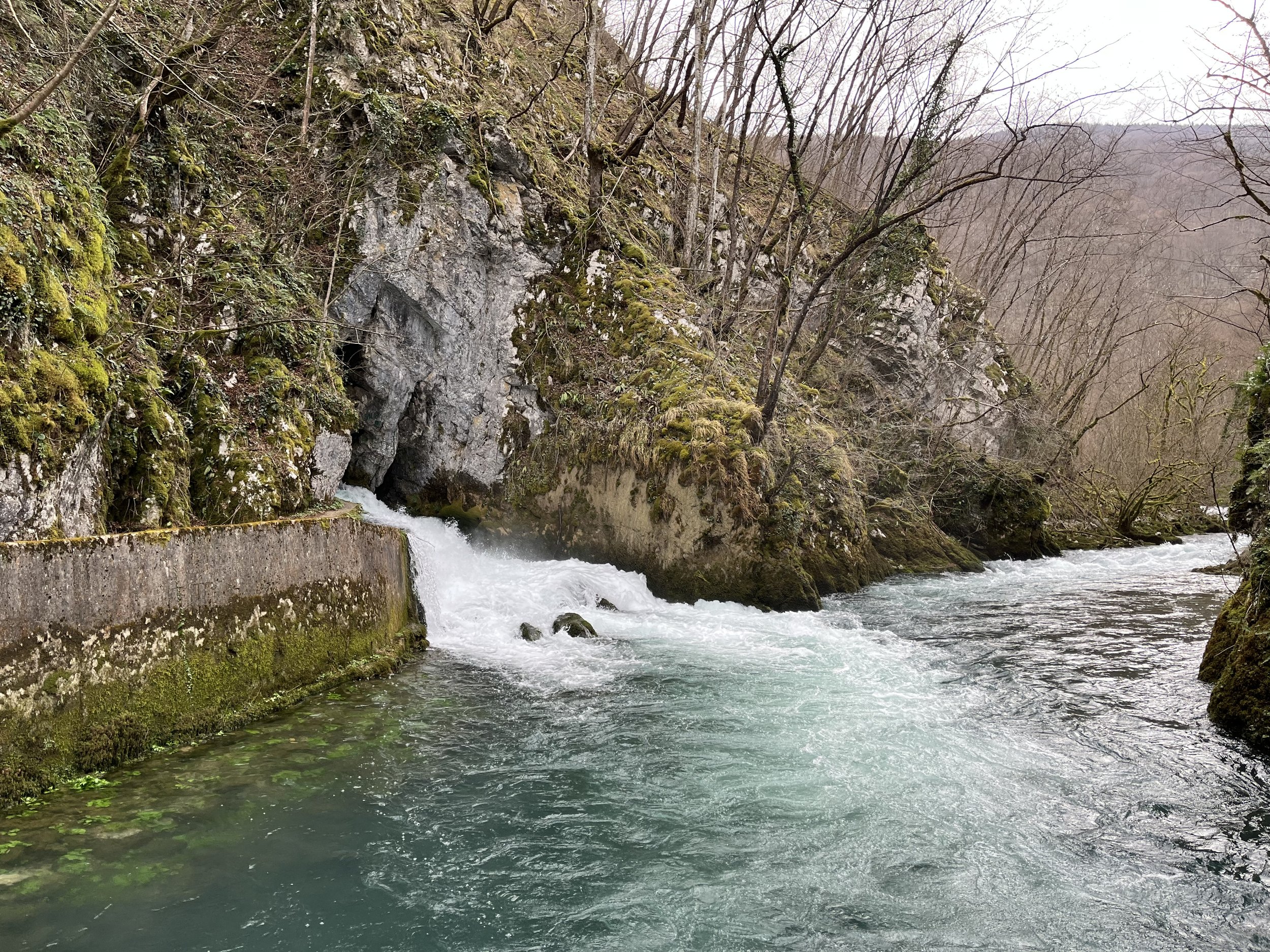
Sanica Spring (Izvor Sanice)
This one involves a little bit of walking, but good things come to those who are willing to stroll alongside a gorgeous river in search of its source. The spring of the river Sanica is found in the village of the same name, and it is a living homage to the power of nature. Water rushes out from the rocks below Grmeč mountain with incredible force, joining the river as it flows through the greenery that envelops the area. This is the perfect place to leave your troubles behind, as the serene ambience of nature fills the gaps left by chaos and noise. The spring is located about 20 minutes northwest of Ključ, following the R410 until just before you arrive at Sanica. Leave the car by the gate and follow the path. Watch your step! Sanica
Kamičak Fortress (Stari Grad Kamičak)
The iconic landmark above the city of Ključ isn’t the only important old fortress in this municipality. Head 20km north on the M15 towards Sanski Most and take a right into the village of Kamičak, and you’ll come across what remains of a fortress of the same name. Kamičak Fortress was built at some point during those long medieval centuries and helped secure the road, although I’m pretty sure that is true for all fortresses. It went through the usual hands before settling under the control of the Ottomans, who eventually abandoned it in 1833 when its importance and value had diminished. There isn’t a whole lot left to see, but as I’ve said time and time again, these old fortresses are places where you should let your imagination run wild. Kamičak
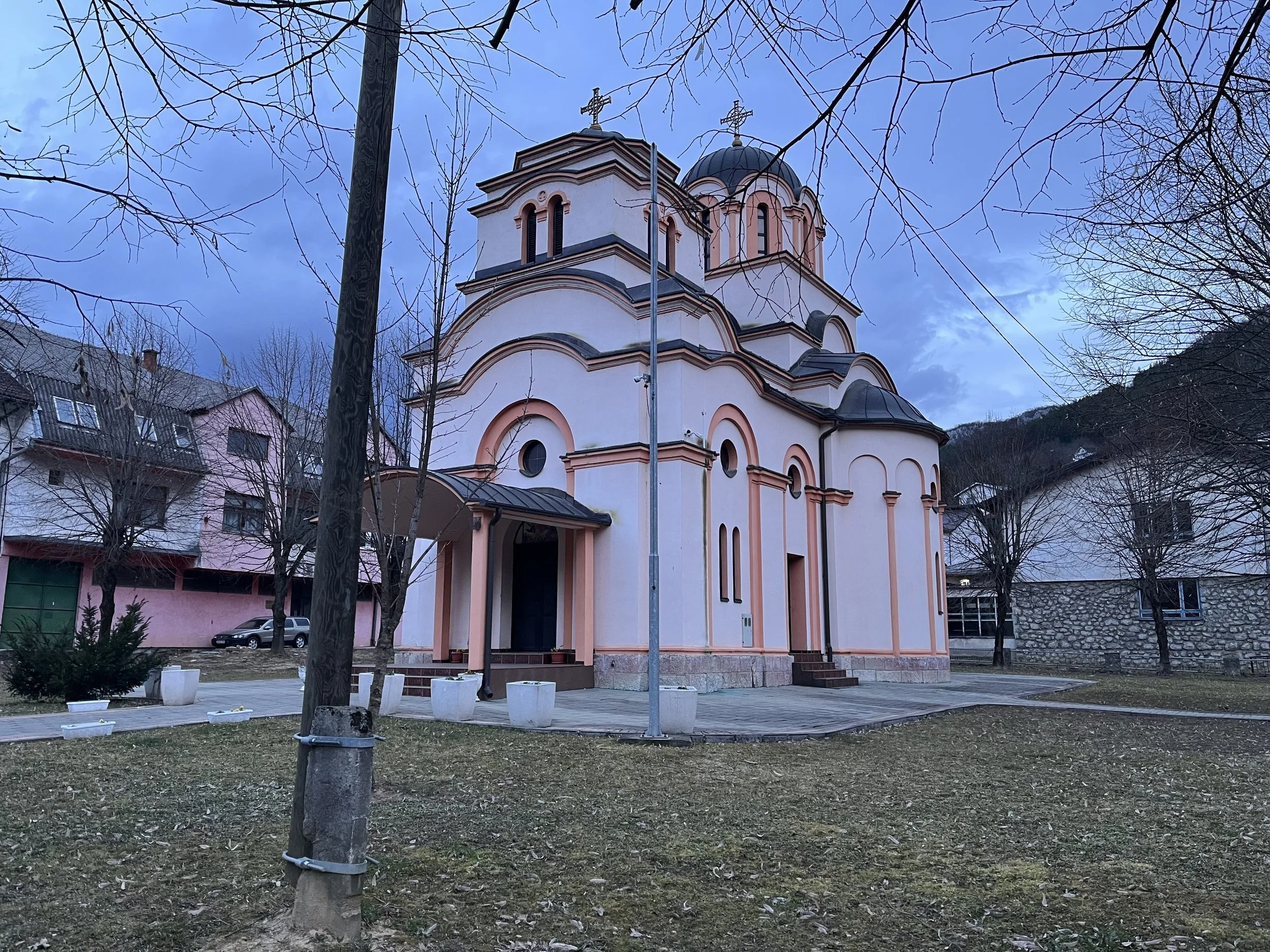
Orthodox Church in Ključ © John Bills
Orthodox Church (Pravoslavna crkva)
I don’t want to be the bearer of disappointment, but I don’t have a whole lot to say about the Orthodox Church in the centre of Ključ. It exists, I know that much, and there is one telling story about its fate during the most recent war. All of the mosques and Catholic Churches were demolished during that war, and it seemed certain that the Orthodox Church would suffer the same fate when the town was liberated. Humanity prevailed, and the people of Ključ asked that the church be preserved. It still stands in the centre of Ključ today, and while it isn’t the most remarkable on the aesthetic front, it nonetheless hums quietly as a testament to companionship, empathy, and compassion. Branilaca BiH
© John Bills
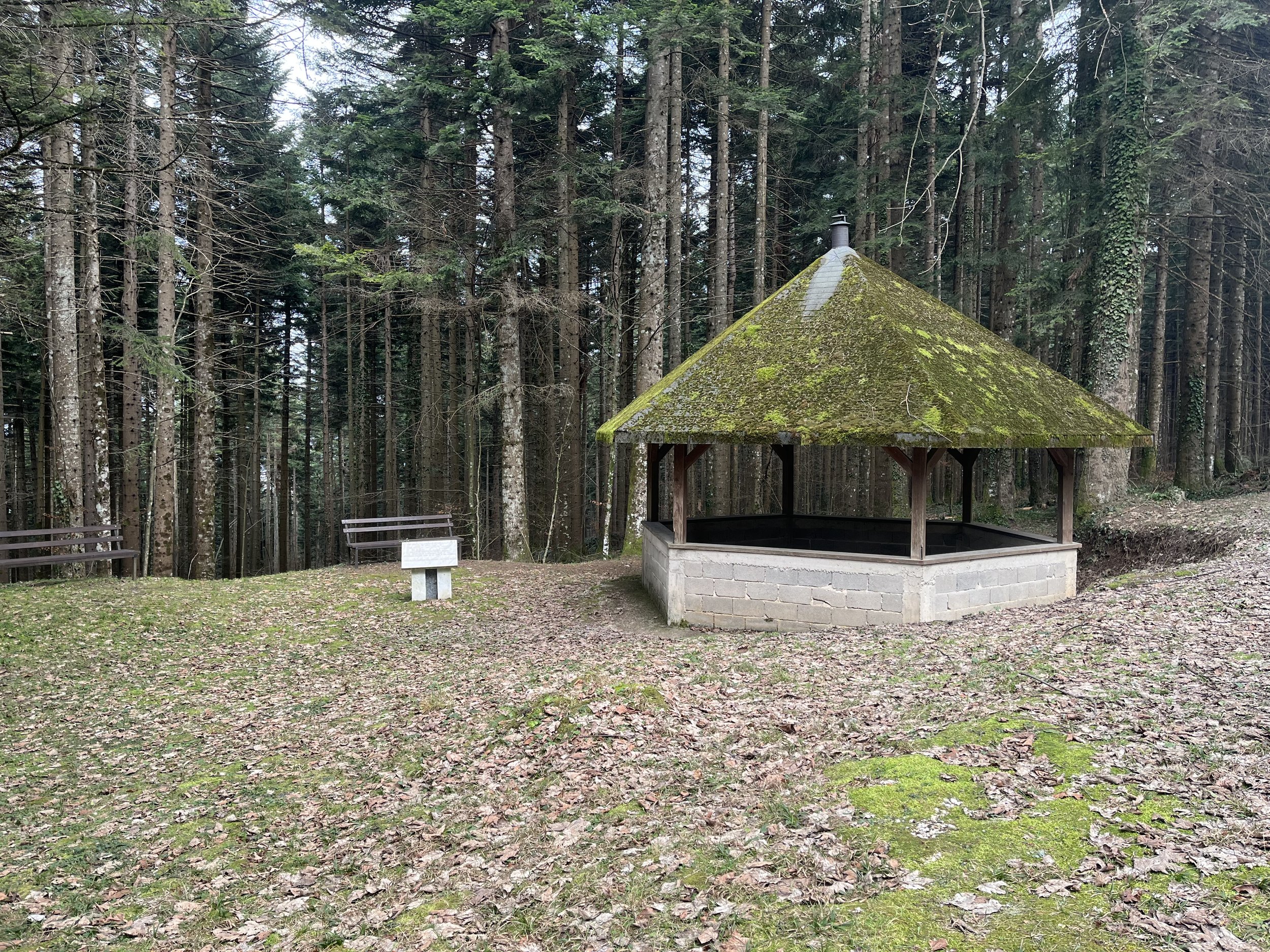
Lanište Memorial
Ključ suffered greatly during the most recent war, and no single family here didn’t lose someone close in that period. On the road to Lanište, a small memorial sits peacefully, marking the place where 188 bodies were exhumed from a mass grave in 1996. The oldest victim was 85, while the youngest was little Amila Džaferagić, just four months old.
BREWS, BOOZE AND BITES

Caffe Bar Best © John Bills
Restoran Kula (Branilaca BiH bb, +387 37 661 871) is an excellent spot for traditional Bosnian classics, which is the least you should expect from any restaurant near the city mosque. Cafe Bar Best (Branilaca BiH bb, +387 61 618 593) belies its generic name to serve up excellent coffee from early in the morning (in quite charming cups), while Cafe Bar Lane (Branilaca BiH bb, +387 61 760 503) is a city centre cafe and bar that ticks all those boxes. It gets a mention below, but Kraljevac (Zgon, +387 62 946 602, info@hotelkraljevac.com) is a splendid little place for food and drink if you are willing to head out of town.
SLEEPING

© Hotel Ključ // Facebook
It might not have the most creative name, but Hotel Ključ (Branilaca BiH, +387 37 663 283) is perfect for anyone wishing to stay in the city centre. There are also excellent options outside of town, from the summertime Bunaglovi (Rudenice, +387 61 760 503) to the almost-Scandinavian sophistication of Kraljevac (Zgon, +387 62 946 602, info@hotelkraljevac.com).