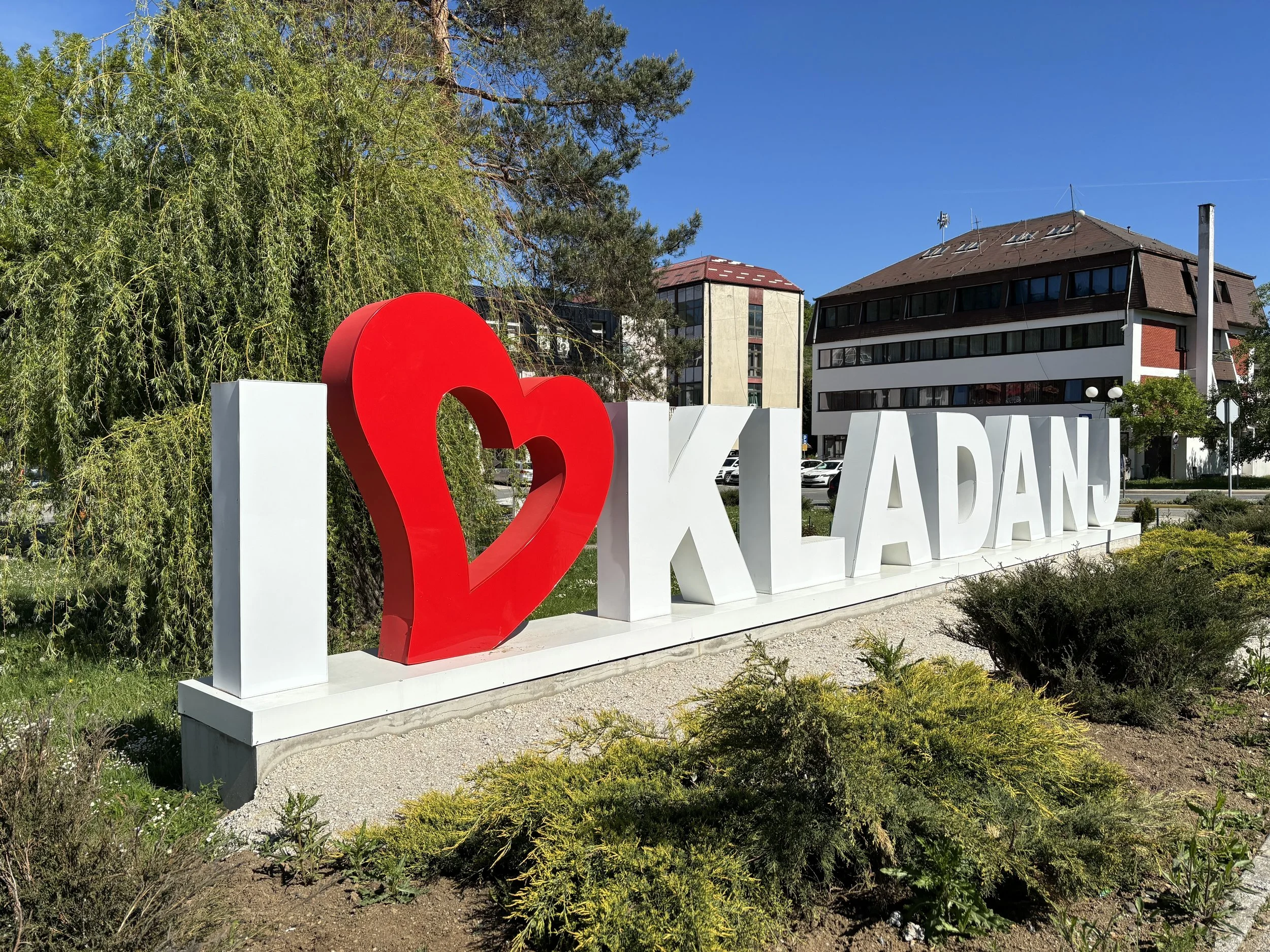
I Heart Kladanj sign © John Bills
If you’ve ever taken the bus between Sarajevo and Tuzla, you’ll have stopped in Kladanj. The town is as good as halfway between the two, sitting 45 miles north of Sarajevo and 30 south of Tuzla, making it a handy place to stop on that aforementioned journey. Kladanj itself? A pleasant town, albeit fairly nondescript, one that shimmers in the surroundings as opposed to the urban boundaries. The town was first mentioned in written documents in 1138, and it soon became an important traffic junction and the largest town in these parts. Those halcyon days didn’t last, and the trade centre on the Drnjača River became another place where history ticks expected boxes. The Ottomans brought mosques and markets, the Austro-Hungarians brought industry, and the 20th century brought neglect. Rinse and repeat.
The Ottomans gave the town its name in a roundabout sort of way: Kladanj loosely comes from klada, "log,” the material used to build a bridge that allowed them to take the town. Kladanj is probably best known for Muška voda (men’s water), a gimmicky development thought to make men particularly virile. History really is obsessed with the sexual appetite of men. But I digress. Today, Kladanj is a pleasant town with a beautiful old mosque, a large Thursday market and some seriously gorgeous surroundings. That might just be an understatement.
TRANSPORT
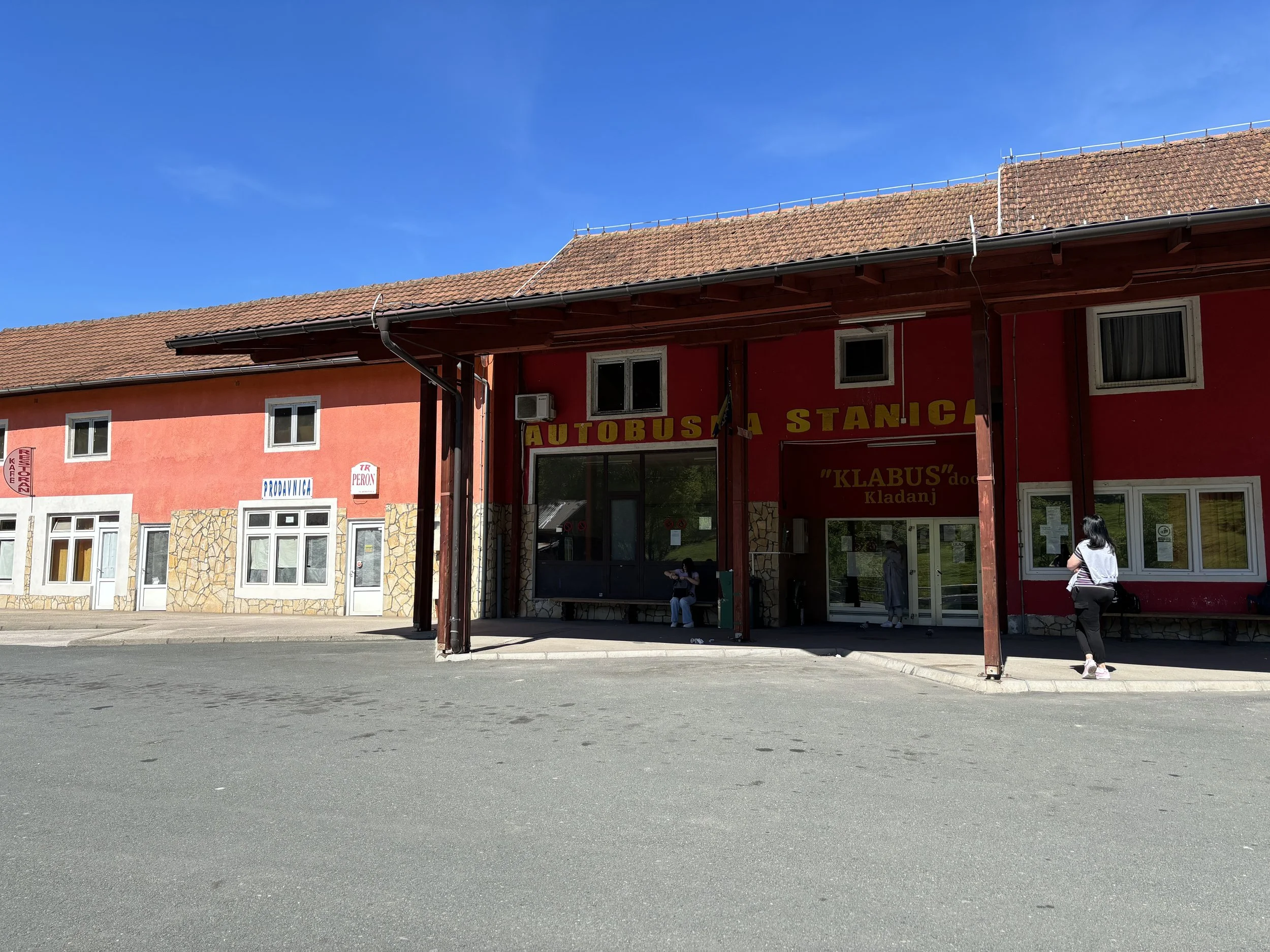
Kladanj Bus Station © John Bills
That’s it, baby, now we’re talking. Kladanj’s bus station (16 Muslimanske Brigade bb, +387 35 622 130) is a triumph, small but perfectly formed, with super-friendly staff, a toilet (ask for the key) and wifi that works 70% of the time. It is right in the middle of town next to the main road; you can’t miss it. There is a little stream by it as well, which is a nice touch. Buses travelling between Sarajevo and Tuzla stop here throughout the day.
WHAT TO SEE AND DO
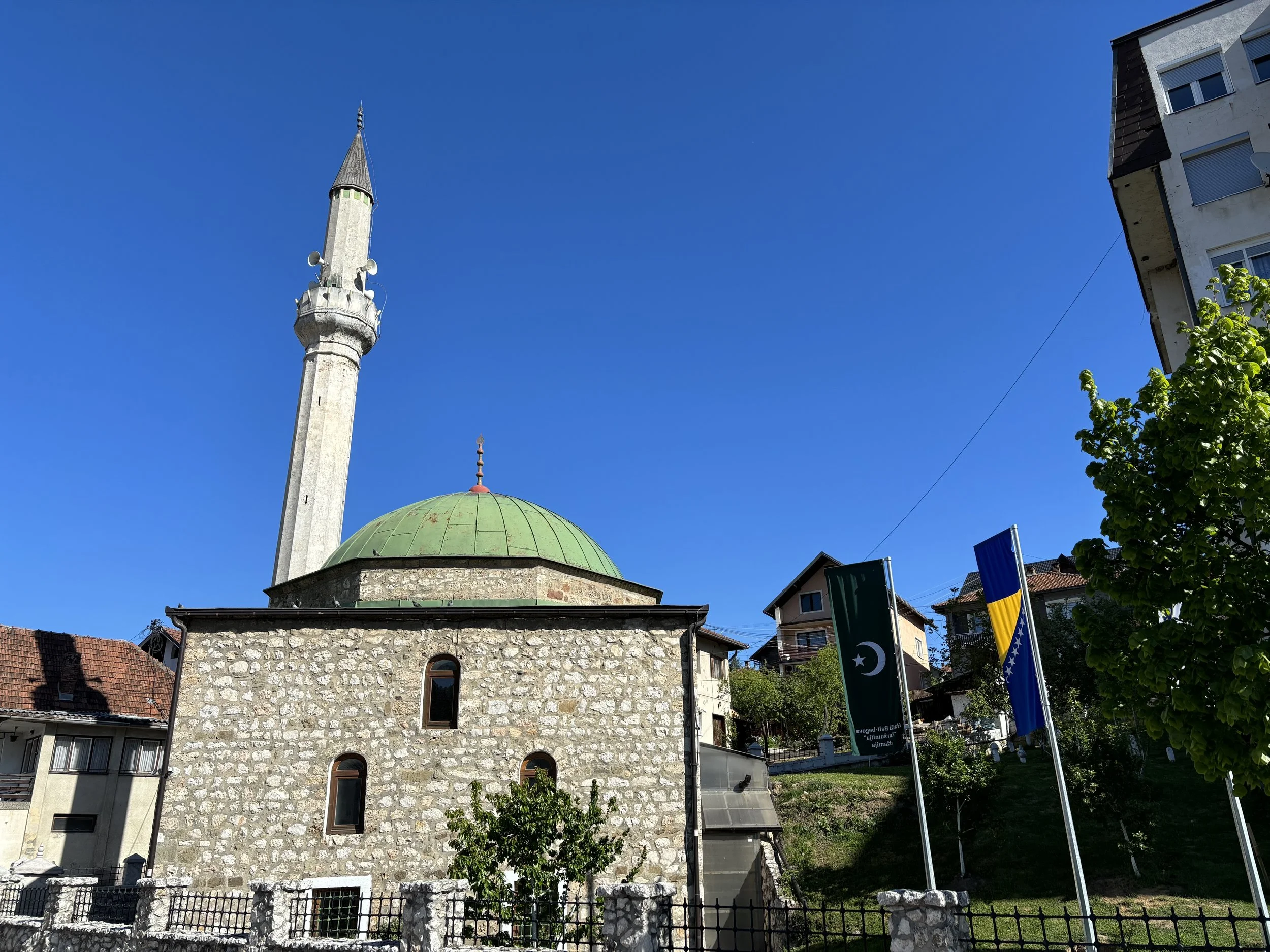
Kursumlija Mosque in Kladanj © John Bills
Kuršumlija Mosque (Kuršumlija Džamija)
Kladanj’s central mosque is the most charming building in town, a 16th-century beauty that gives off a regal air. It is the only central-dome mosque in Kladanj and is generally considered the work of another disciple of Mimar Hayrudin, which is usually a good sign for mosque building. Hajji Bali Bey was the driving force behind its construction, but little is known about him. There are architectural curiosities here, namely the use of pendentives to marry the curved dome with the square plan; Đozić Hafiz Salih effendi is said to be buried in the adjacent graveyard. Branilaca Bosne
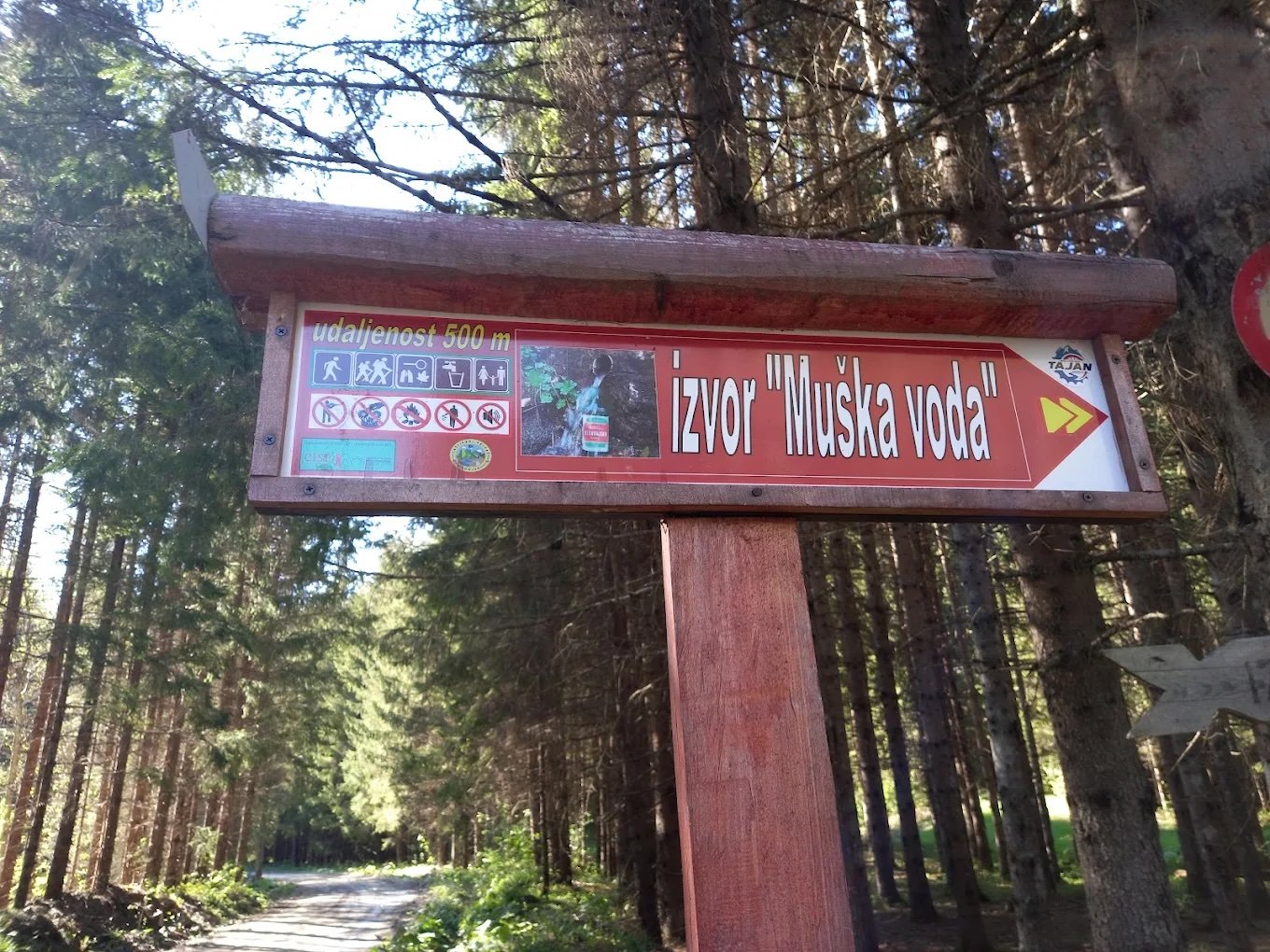
Sign for Muška Voda near Kladanj © Muška Voda Izvor // Google
Muška Voda Izvor
It will make you big and strong! Kladanj’s most famous attraction is undoubtedly the Muška Voda (Men’s Water) spring, located some 10 miles outside of the town. Travel writing tsar Evlija Çelebi called it the “spring of youth,” and while I’m not going to jump and call it the Bosnian El Dorado, you can do what you like with such claims. Tests have been conducted on the spring since the late ‘60s, and the health benefits have been all but confirmed. Will it make you big and strong and virile? Let’s just say yes. The best way to visit the spring is to stay at Hotel Muška Voda, get up early, and head out on the hour-long (2- or 3-mile) walk in the morning. It isn’t the easiest walk, so wear some decent shoes. Drinjaca
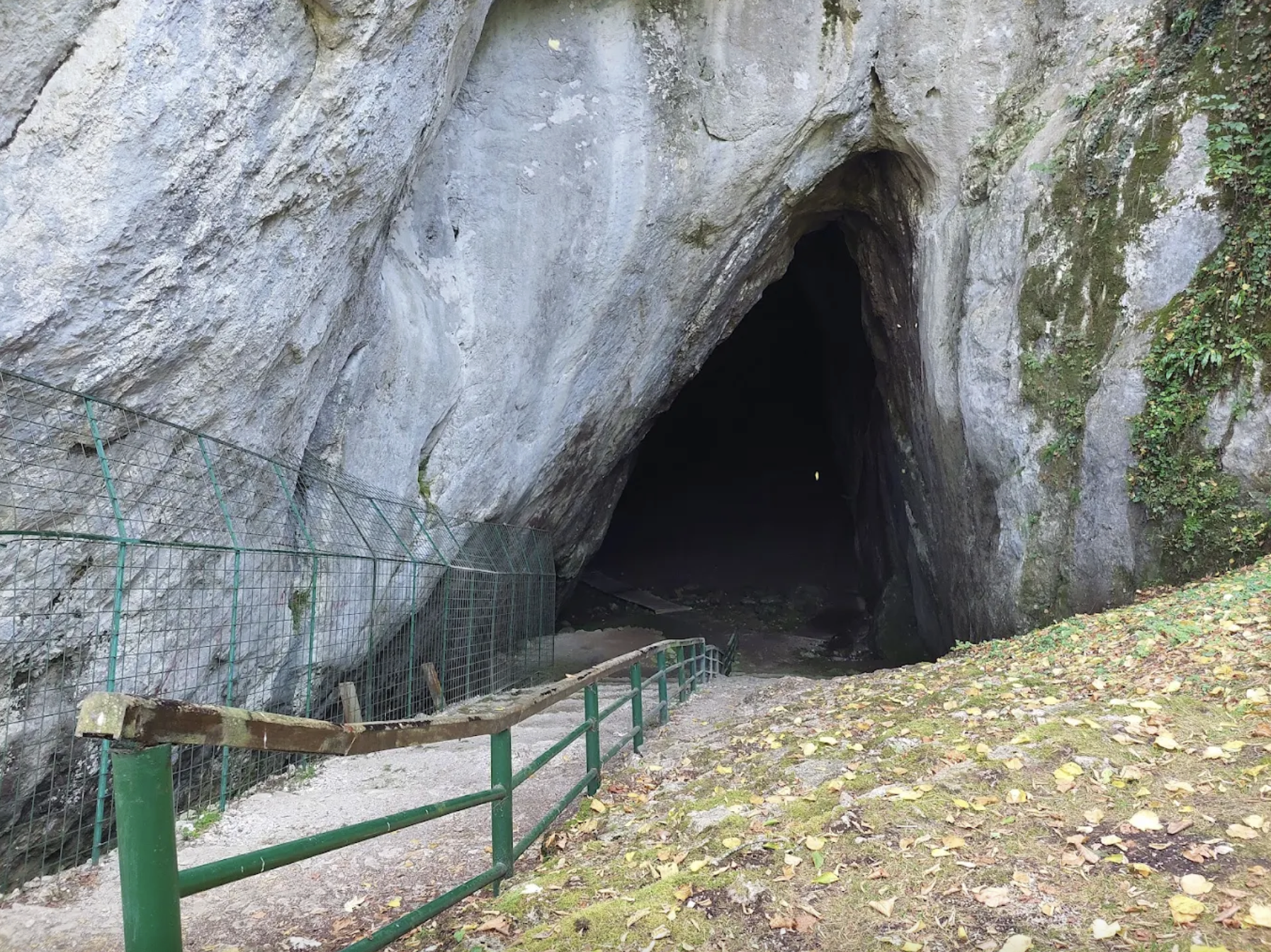
Djevojačka Cave near Kladanj © Haris A. // Google
Djevojačka Cave (Djevojačka pećina)
Another fascinating natural phenomenon on the outskirts of Kladanj, the Djevojačka Cave is arguably the most curious subterranean wonderland in Bosnia and Herzegovina. The cave sits near a village called Brateljevići (5 miles east of town), and its mystery revolves around a young woman trying to prove her bravery. It was around 400 years ago, and the men of town were embroiled in a bet to see who could be the fastest to retrieve water from the cave. Of course, the woman was going to win, and she brought a spindle with her as proof of her visit. Unfortunately, something went wrong, and she ended up being dragged deep into the cave, never to be seen again. The cave soon became a pilgrimage site, one of the largest in the country, no less. There are also the usual cave drawings, although they tend to get overshadowed by the legend. Brateljevići
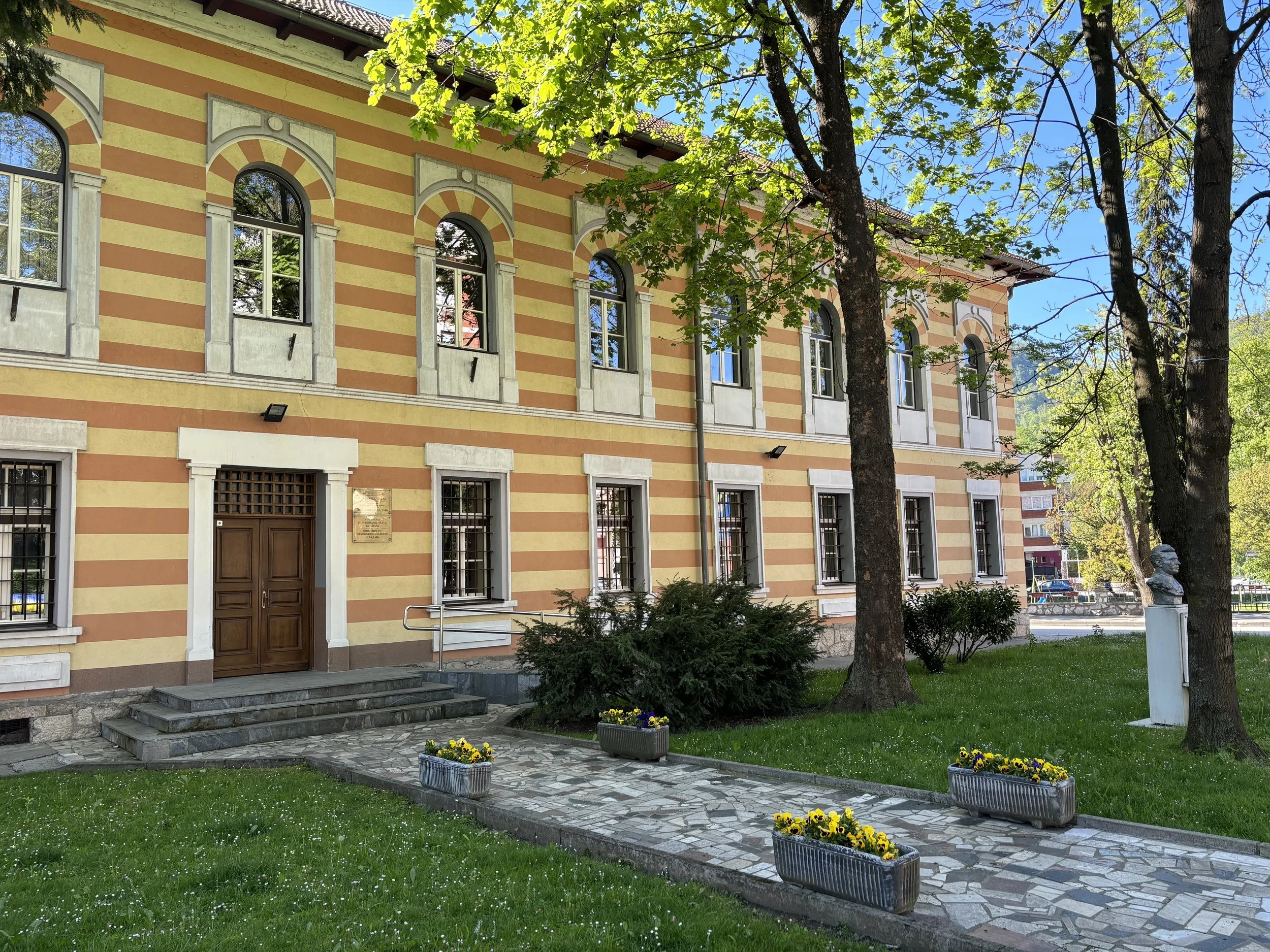
City Hall in Kladanj © John Bills
Kladanj City Hall
Another in the long list of municipal buildings in Bosnia and Herzegovina constructed during the Austro-Hungarian era, Kladanj’s City Hall follows the trend. The bands of yellow and orange mark it out as one of the prettiest structures in the centre of town, and this little man argues that it is at its best from behind. A small park and war memorial add extra grace, framing the building and providing a sense of serenity in line with the rest of Kladanj. I’m not entirely sure when it was constructed, but it was sometime at the beginning of the 20th century. Kladanj’s Dom Kulture is nearby, although that doesn’t claim as many points for beauty. Kladanjske brigade 2, +387 35 628 450
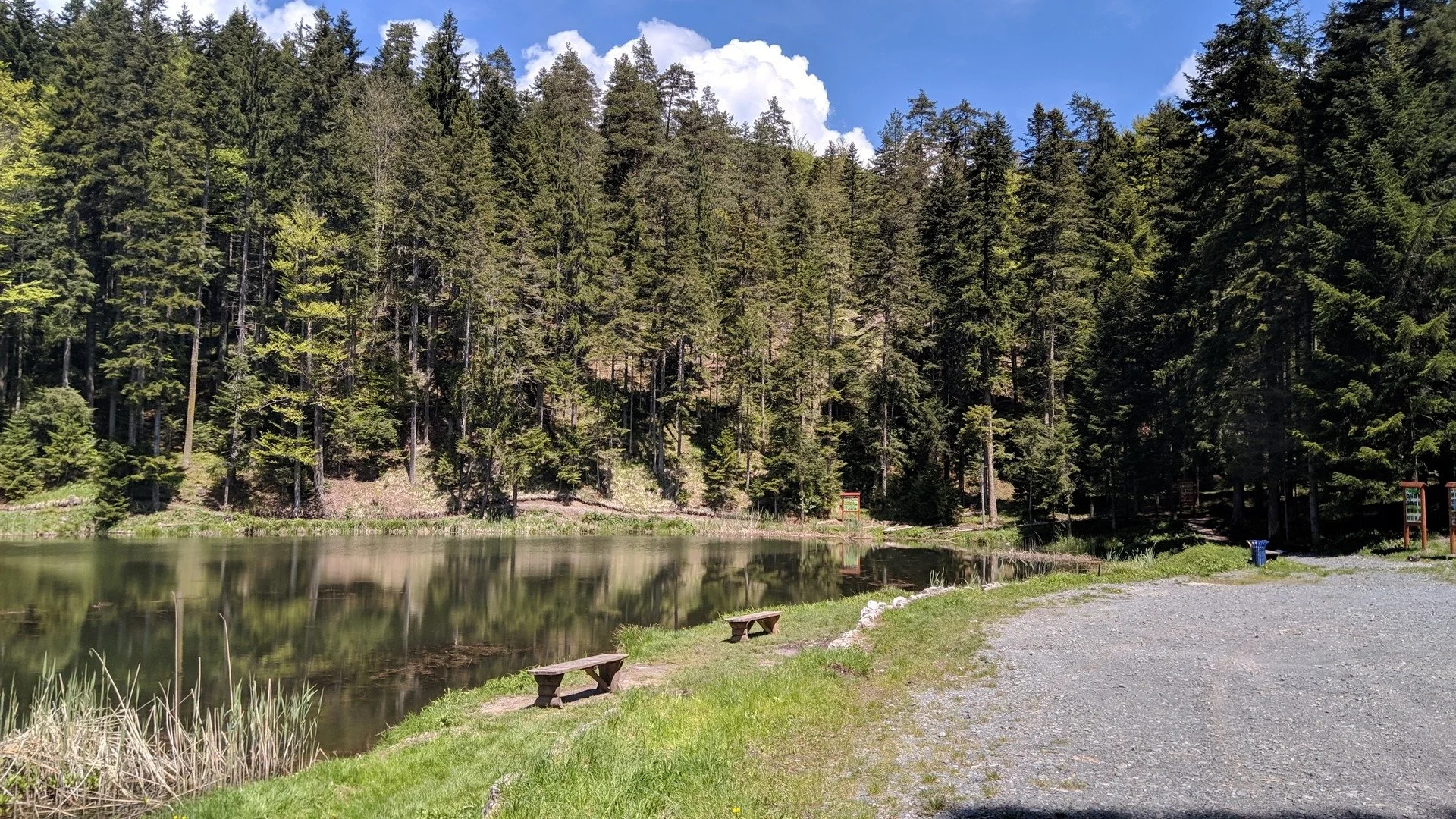
Paučko Lake © Paučko Jezero - Gorsko Oko // Facebook
Paučko Lake (Paučko Jezero)
Located just a short walk from Hotel Muška Voda, Paučko Lake is framed by imposing trees that fill the air with tranquillity. That’s what we want from our lakes, and Paučko doesn’t disappoint. Kladanj is 10km of winding roads away, although you’ll have moved 650 metres into the air by the time you arrive at the lake, which is home to a range of fish, including carp, trout, pike, and others.
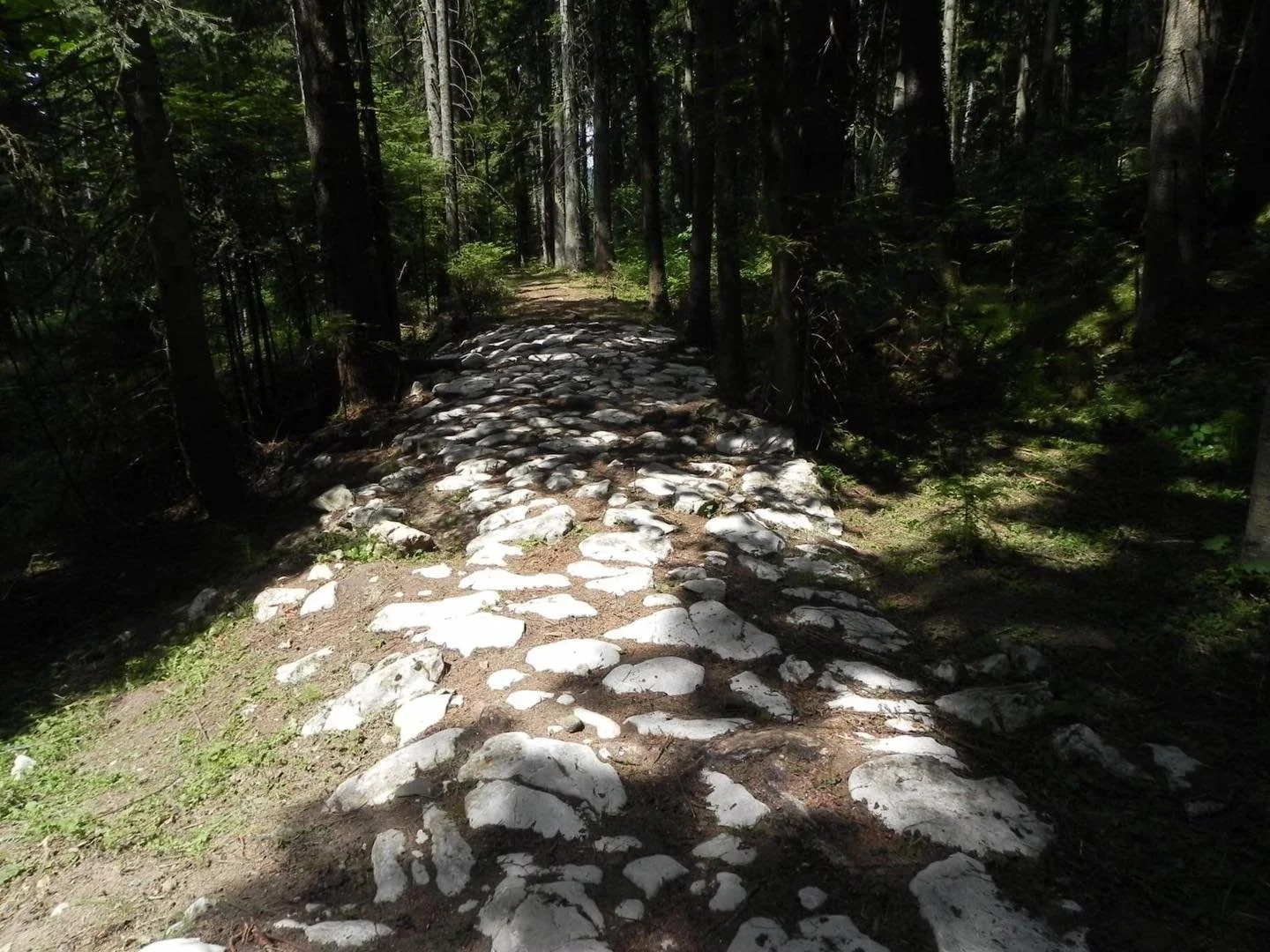
Kladanj Rimska Cesta © Moj Kladanj // Facebook
Roman Road (Rimska cesta)
Maybe I haven’t been paying attention, but you don’t hear a whole lot about Roman-era history in Bosnia and Herzegovina. I’m going to remember a whole heap now, obviously, but I said what I said. Discovered a few years ago, a Roman road ran from the old Karaula Pass to the southeastern slopes of Mount Konjuh, a remarkably well-preserved Roman road at that. It is thought to have been constructed around the first century AD, and is well on its way to becoming a popular walking spot in the modern age. The walking path sits a couple of miles south of Kladanj, not far from the main road, way up in the hills.
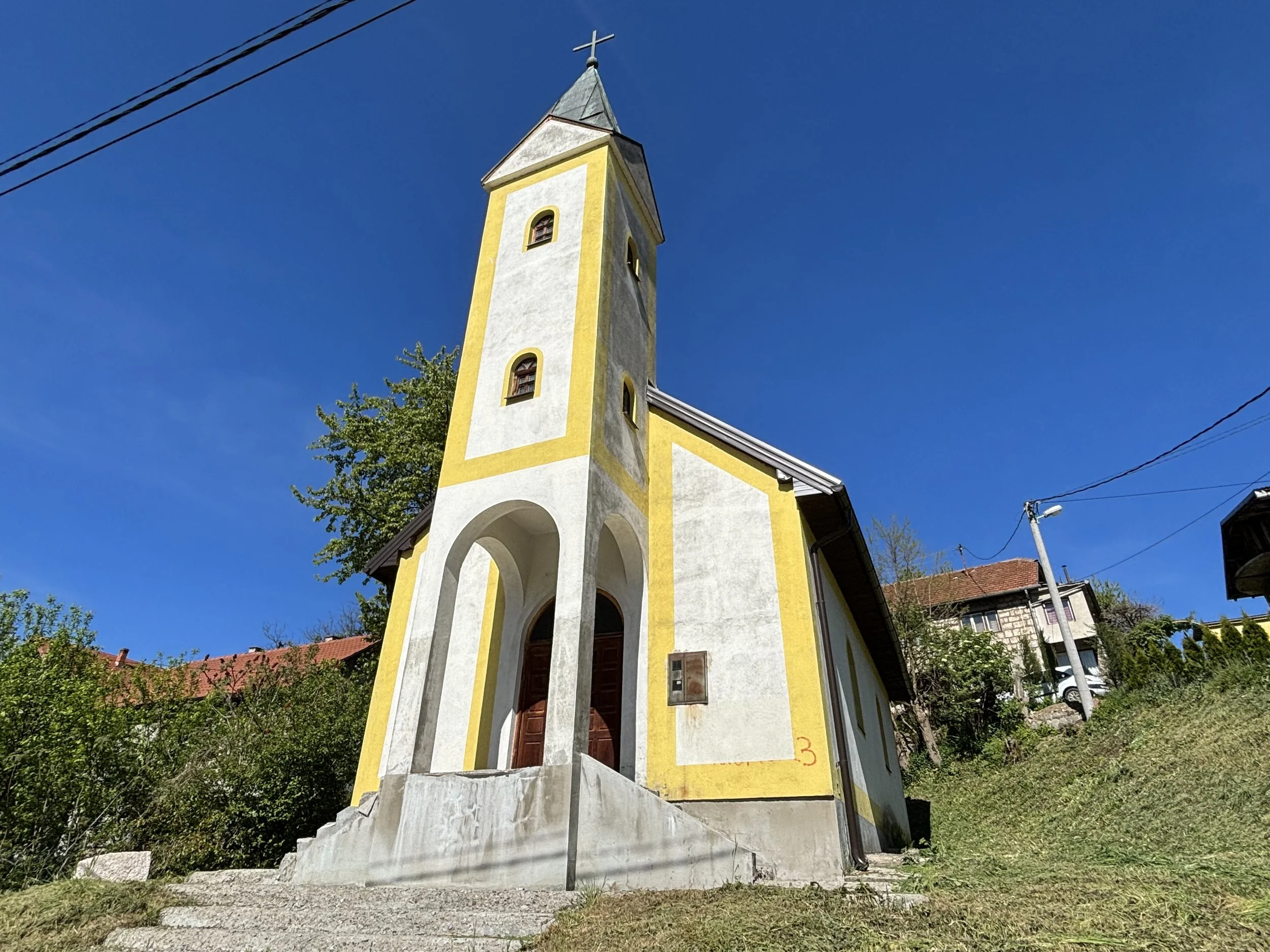
Church of St John the Baptist in Kladanj © John Bills
Church of St. John the Baptist (Crkva Glavosjeka svetog Ivana Krstitelja)
There’s something endearing about Kladanj’s Church of St John the Baptist, although I’m not entirely sure what it is. It sits lonely, a short walk from the centre of town, minding its own business, keeping its head down and hoping that the world will leave it to its faith. Kladanj has a long history of Catholicism, and while this church was completely destroyed during the most recent war, it was reconstructed and opened once more in 1998.
BREWS, BOOZE, AND BITES
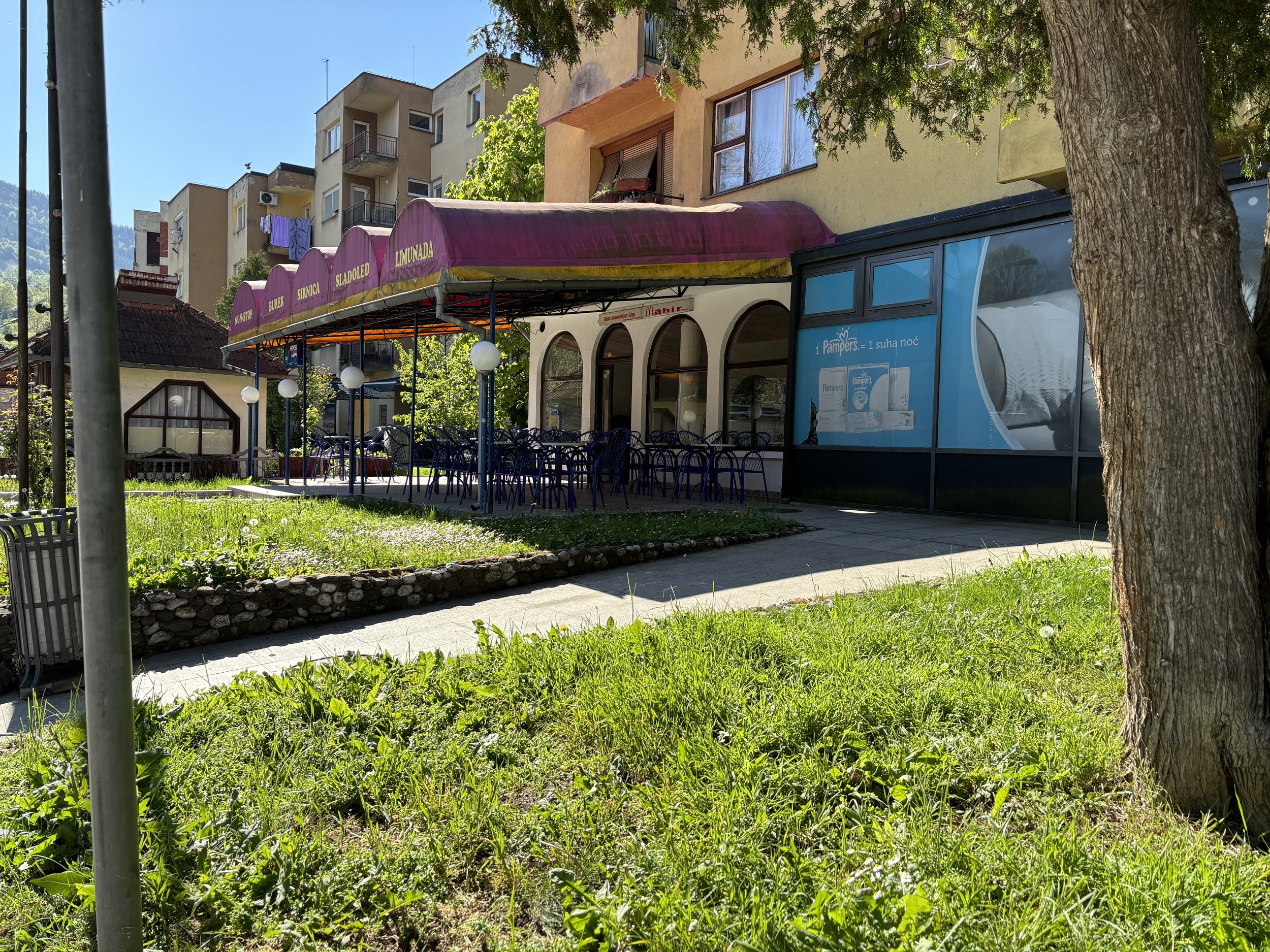
Cafe Mahir © John Bills
The centre of Kladanj is small and not particularly packed with food and drink options. The cafe at Hotel Bosna (Alije Izetbegovića) always draws a crowd. Don’t ask me why, but I always end up getting an espresso at Mahir. On the food front, pickings are equally slim, with Sadrvan (Avdage Hasića, +387 60 31 19 311) your only real decent option in town. If you are staying at Hotel Muška Voda (Pauč bb, +387 35 560 996), the food there is good, and there are a couple of decent-looking grilled-meat meccas on the outskirts of town.
SLEEPING
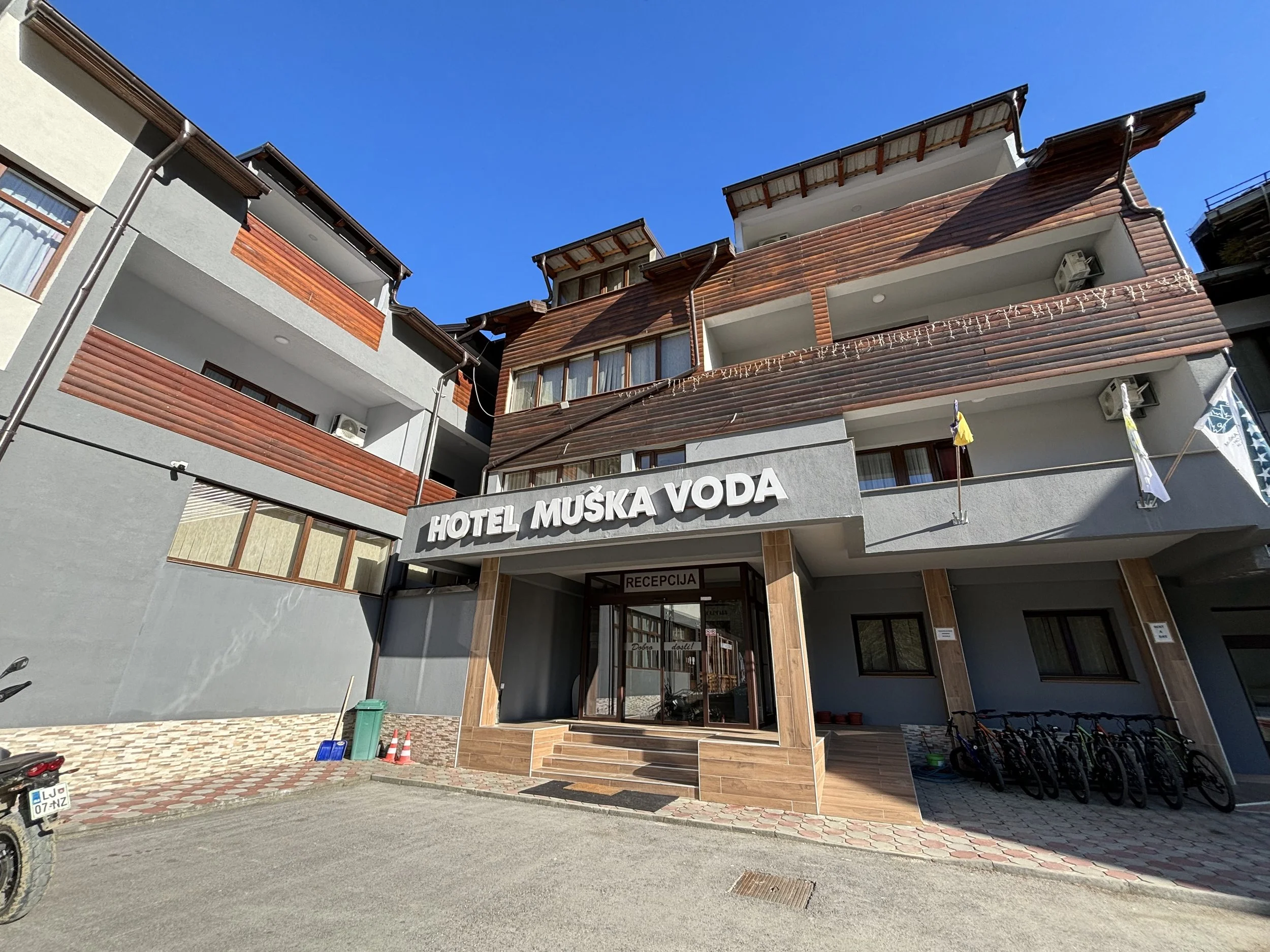
Hotel Muska Voda © John Bills
Is Hotel Bosna open? I know it works as a bar, but as a hotel? I suppose it is my job to check. Hotel Muška Voda (Pauč bb, +387 35 560 996) is an excellent complex in Pauč, 10km from Kladanj, but a good choice if you are looking to go and drink some MAN WATER without local guidance. It is, as we’d say in Welshpool, proper out of the way, and don’t expect to have any mobile signal up there. Or here, as I’m writing this from the restaurant. There is no public transport up to Pauč either, so you’ll need a taxi, and they aren’t easy to find in Kladanj. I realise I’m not really selling this too well, but Hotel Muška Voda is a delightful little spot in the middle of nowhere, in a good way.