DRVAR
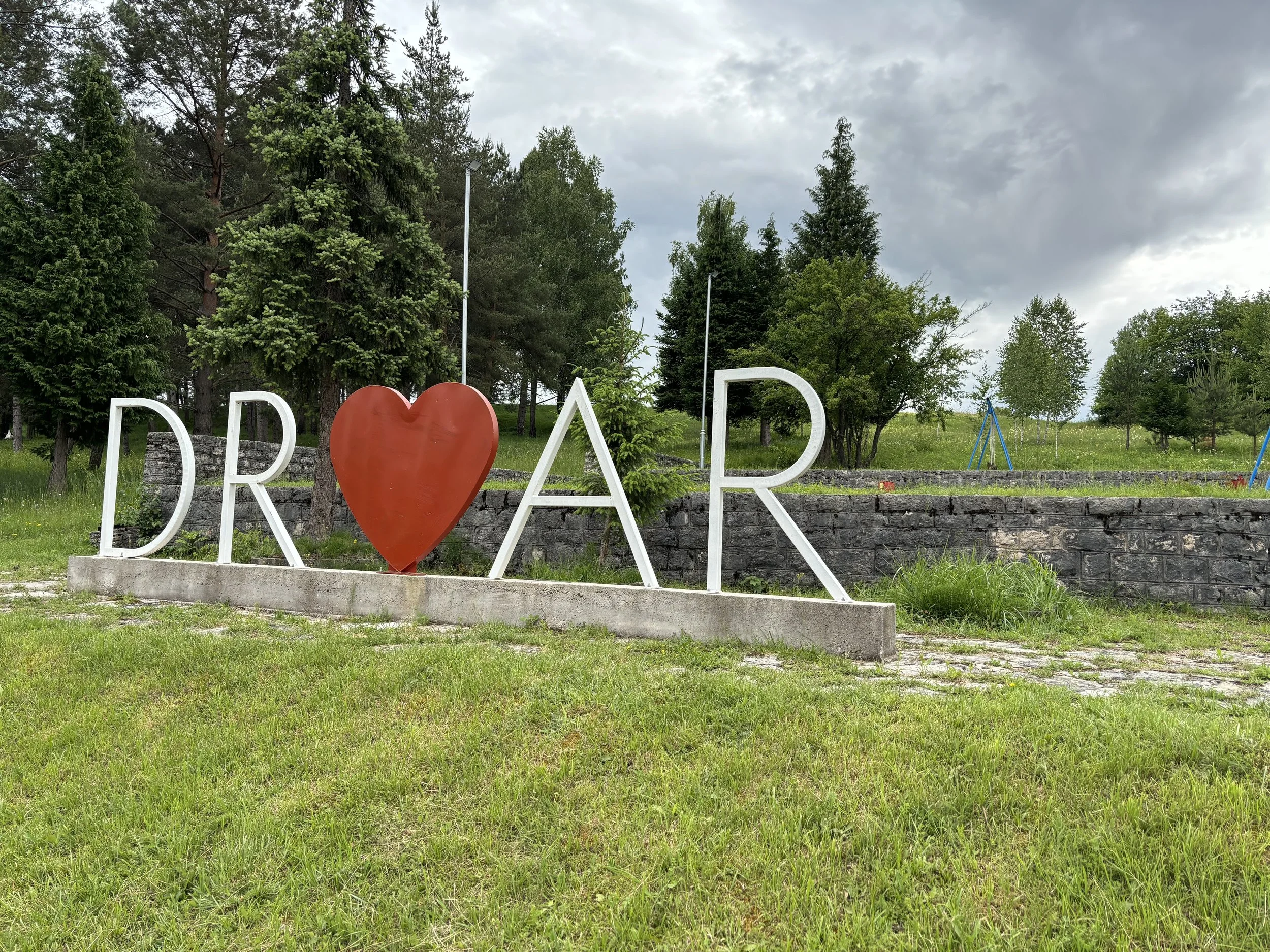
Sign in Drvar © John Bills
Way out west lies Drvar, a curious little town that sits loosely on the road between Bosansko Grahovo and Bosanski Petrovac. I say “loosely” as there are hills all around, giving the town a scenic feel despite its obvious challenges. While I’ve no desire to start things off on a sad note, Drvar (and this whole region, actually) is one of the most economically challenged municipalities in the country. Some sources put unemployment in Drvar proper at 80%, which is a quite insane number. I have no idea how you rectify that, but here’s hoping that Drvar finds a way.
Because there is a lot to love about this place. Drvar’s history is tumultuous but fiercely proud, and the town has often made use of the abundant forests seen all around. To most, Drvar is remembered as the site for one of World War II’s most influential escapades, the fabled Operation Rösselsprung. I don’t speak German, but the internet tells me that that means “Knight’s Move,” although the name is not as important as the events. This was Nazi Germany’s attempt to assassinate Tito, a combined air raid and ground offensive on the town and its surroundings that ended with Big Joe escaping through the mountains. Huzzah! Drvar was called Titov Drvar during the Yugo years, which is reason enough for Yugostalgics to pay it a visit. Drvar, I’m rooting for you.
TRANSPORT
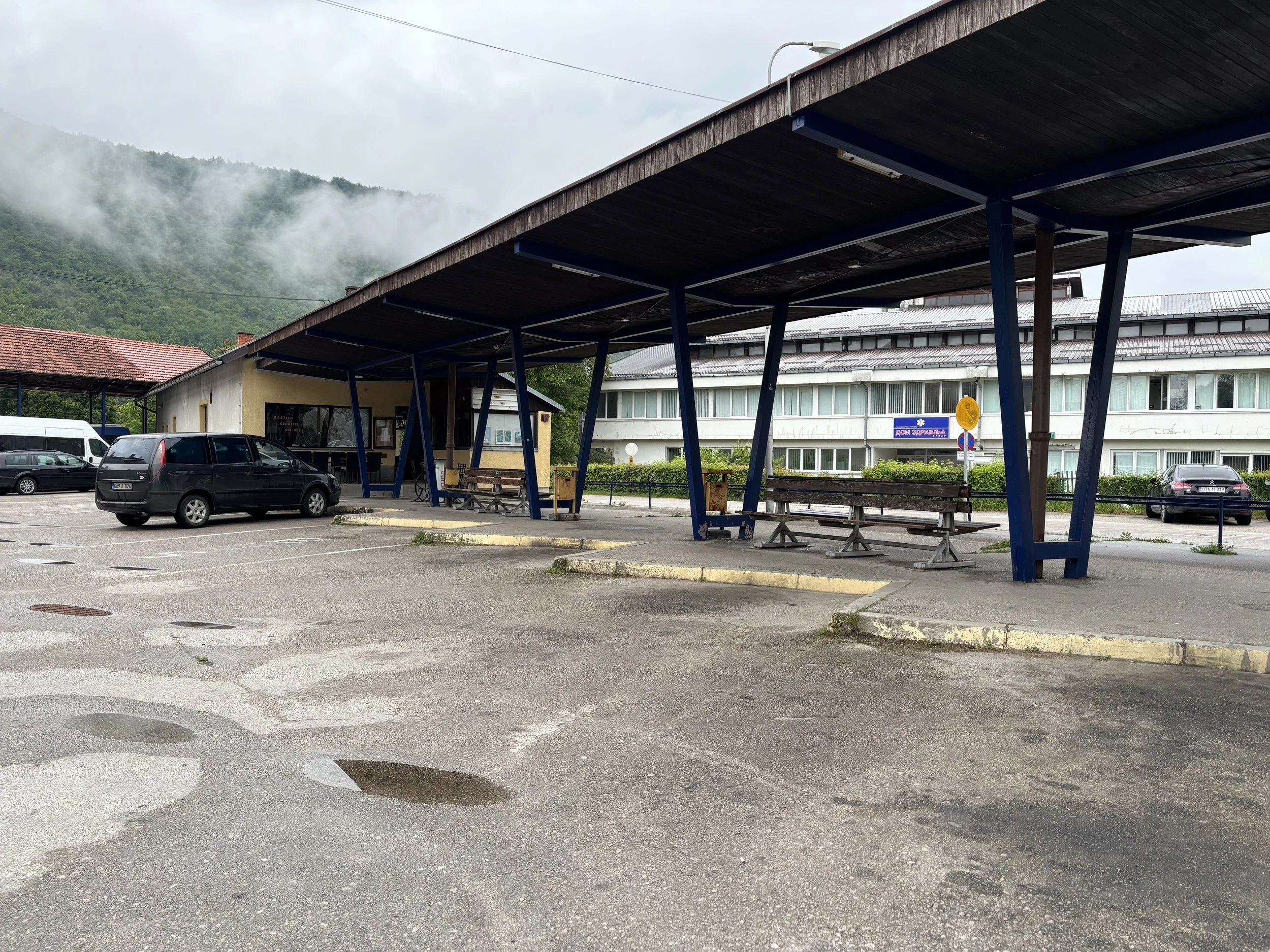
Drvar bus station © John Bills
I can’t dress this up, unfortunately. Drvar’s bus station isn’t great, with a total lack of information and only boozing men and stray dogs for assistance. There is a toilet in the cafe (do ask before using it), and that’s about it. The station is just outside the centre of town, next to the Radnički Dom and the hospital. Drvar has daily connections to Banja Luka, Livno, and Bosanski Petrovac.
WHAT TO SEE AND DO
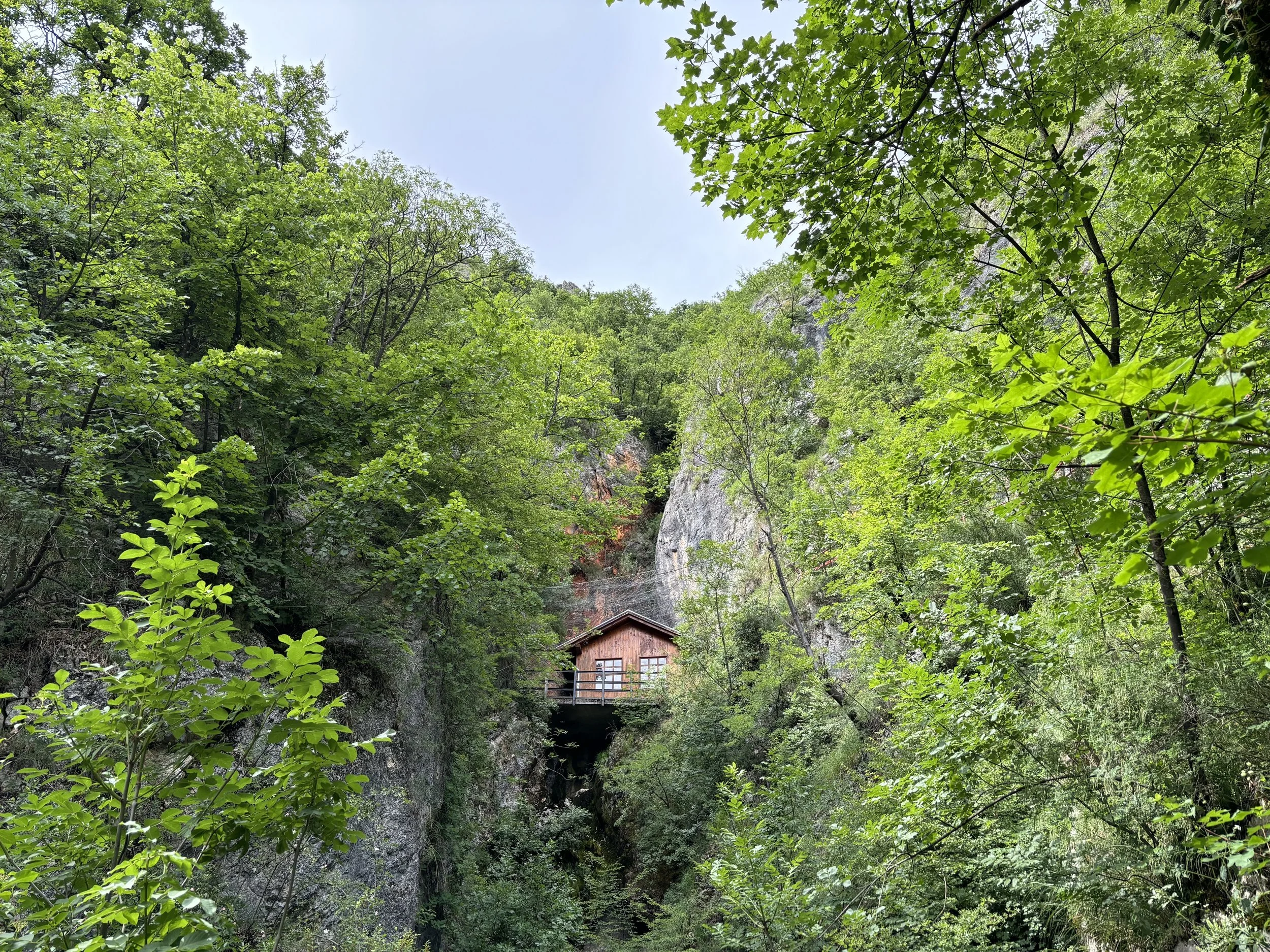
Tito’s cabin and cave in Drvar © John Bills
Tito’s Cave (Titova pećina)
For whatever reason, I feel as though there should be more to this. Drvar’s main claim to fame is a small cave on the outskirts of town, but this isn’t your ordinary cave. For one, it is pretty damn tiny, although much of its coverage is taken up with a cabin. But yes, the “Tito’ part of it all. Well, Big Joe was hiding out here in 1944 (it was the Partisan HQ), and the damn Nazis had had enough. With time running out, they attacked Drvar, but they didn’t know that ol’ Joey was hiding out in the cave. He managed to get out just in time, and the rest is history. Understandably, this was one of the region’s most popular tourist attractions during the Yugoslav years, although its visitor numbers have dwindled somewhat in recent times. It is a hugely important spot in the history of Yugoslavia, and the area itself is charming. Just be careful on those rocks, they can be kinda slippery.
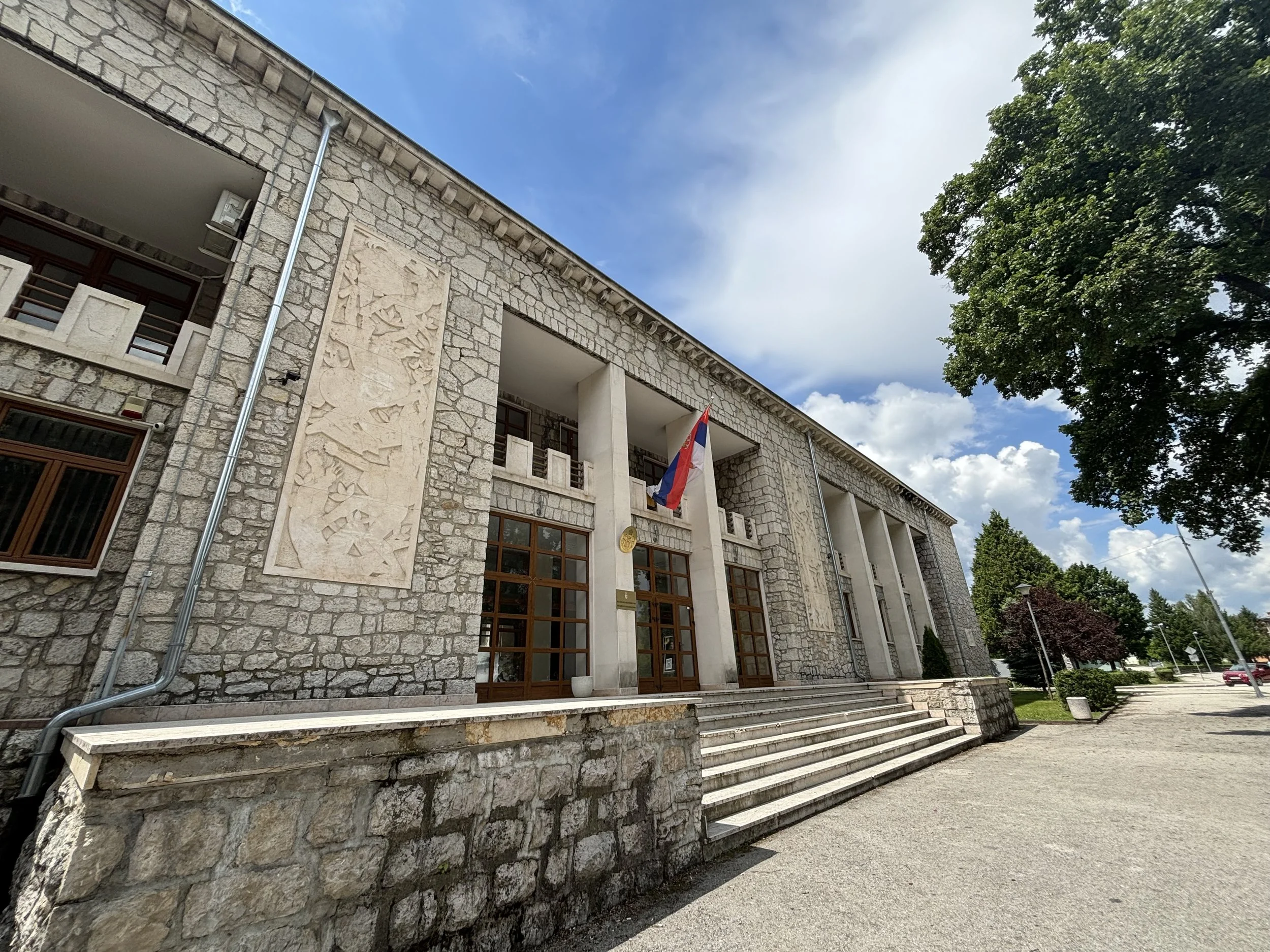
Radnički Dom in Drvar © John Bills
Radnički Dom
Drvar is a little down on its luck in the modern age, but hot dang is that one good-lookin’ cultural centre. Located directly opposite the bus station, this large building exudes class and hosts everything from theatre performances to live music and more. Everything you’d expect from a cultural centre in short, but it does stick out like a sore thumb in Drvar. A very beautiful sore thumb, of course.
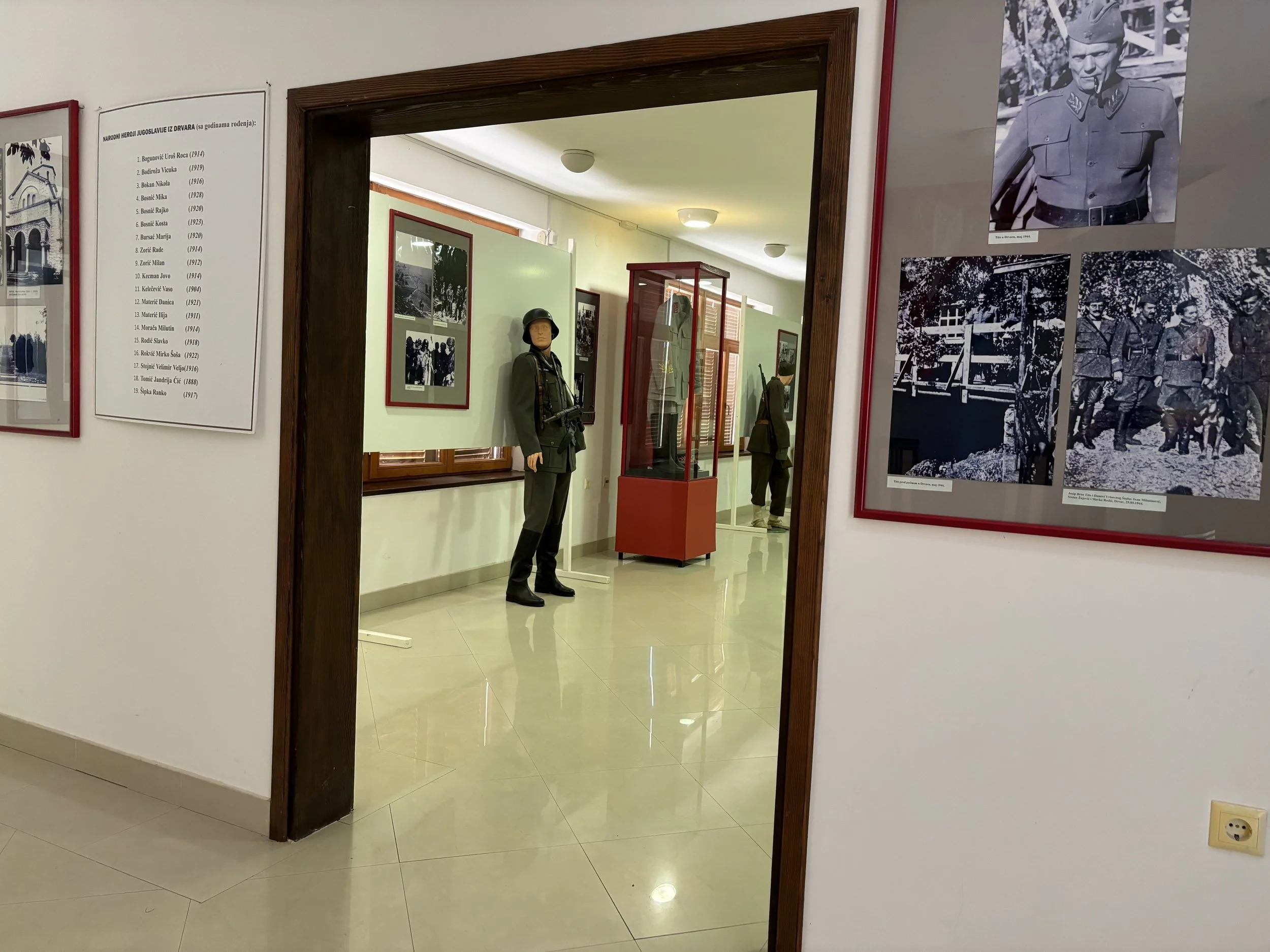
25 Maj Museum in Drvar © John Bills
25. Maj Museum (25. Maj Muzej)
As the name suggests, the 25. Maj Museum tells the story of that fateful day when the Nazis almost got their grubby hands on Josip Broz Tito. The small museum covers every aspect of Drvar’s existence during World War II, with displays, photographs, stories, models, and even a parachute from the era. Definitely worth a look before nipping up to the cave.
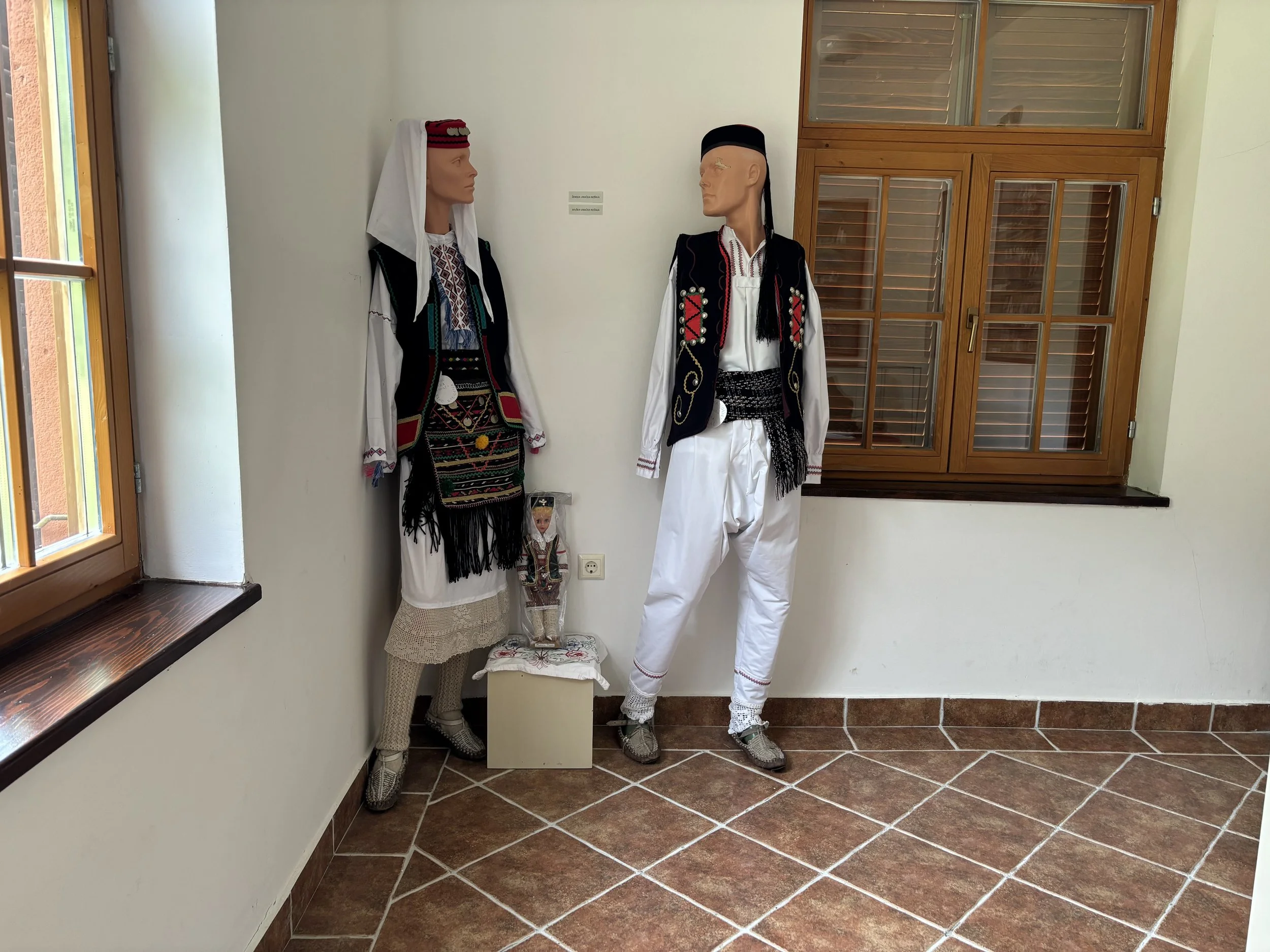
Ethnographic Museum in Drvar © John Bills
Ethnographic Museum (Etnografski muzej)
Another excellent little museum within the Tito’s Cave complex, Drvar’s ethnographic museum does exactly what you assume an ethnographic museum is going to do. Small but perfectly formed, the museum showcases traditions and heritage from these parts over the centuries through tools, costumes, photographs, and more.
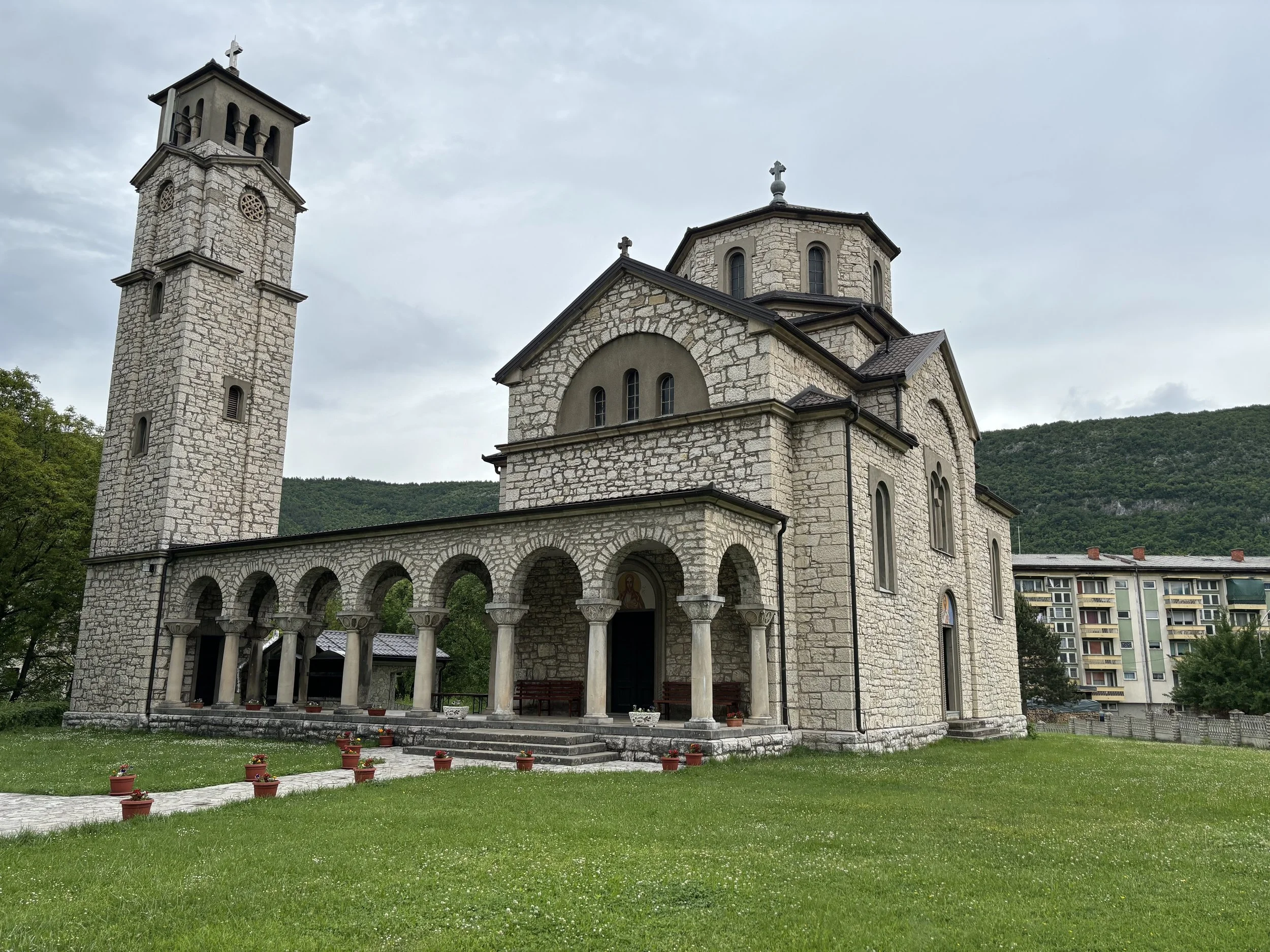
Church in Drvar © John Bills
Temple of St Sava (Crkva svetog Save)
Right in the heart of Drvar sits the Temple of St Sava, another in a long line of Serbian Orthodox Churches intended to look as old as the hills yet still shimmer with modernity. Built in 1939, it is an impressive structure, all sharp lines and towers, adding a layer of calm to the centre of town. The commies initially used it as a storehouse for salt, but it was returned to its rightful purpose in the late ‘60s, only to be looted and damaged during the most recent war. Today, the church straddles that all-too-impossible line between peaceful certainty and painful memory, providing a beacon of faith to the people of Drvar while also reminding them of the violence of history. Titova
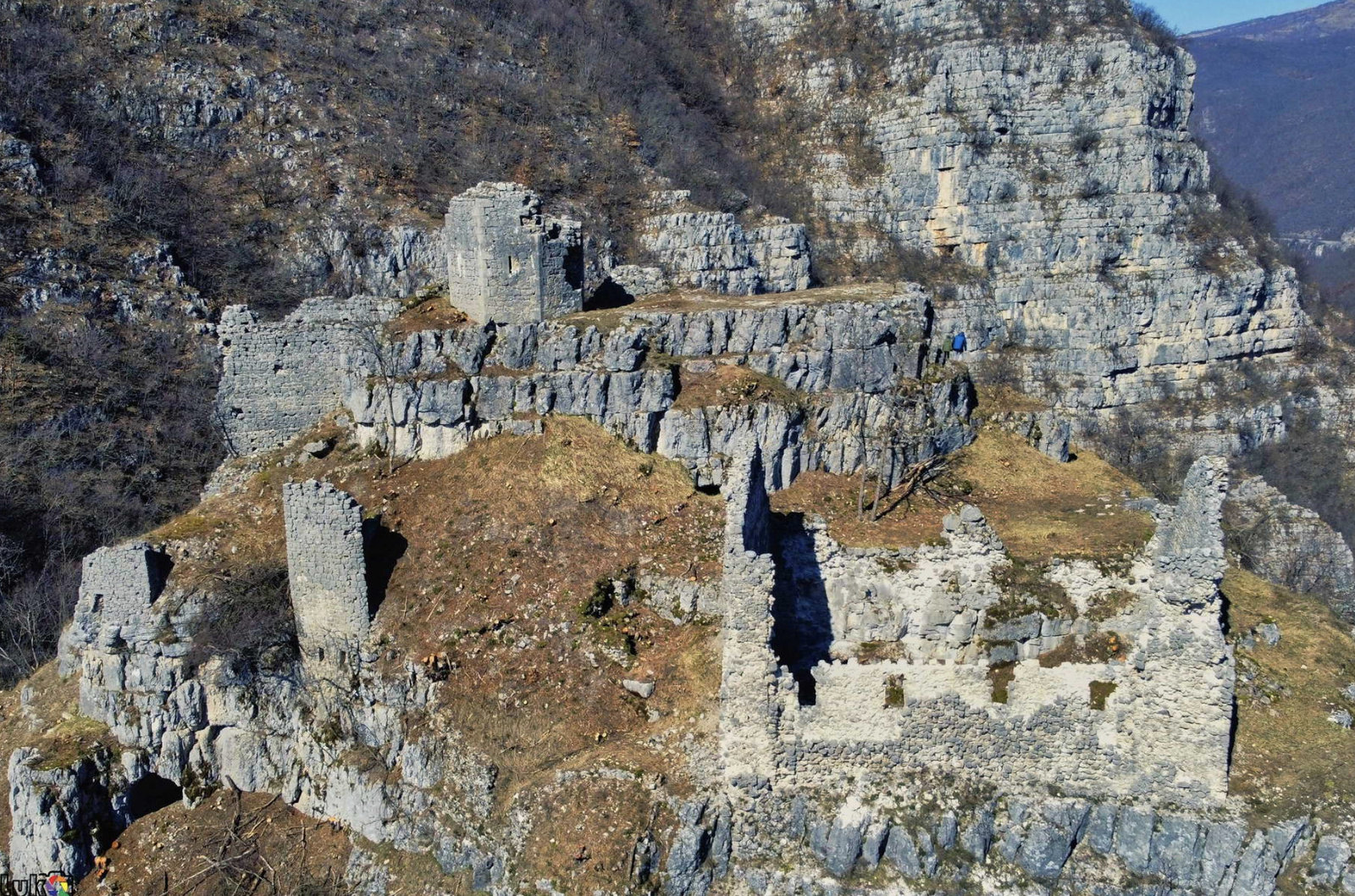
Crna Kraljica © Opstina Drvar
Crna Kraljica
Hills surround Drvar, so it isn’t a massive shock to learn that there are secret charms hidden within. Just 7 miles outside of Drvar (a 20-minute drive or a taxing three-hour walk past stray dogs, don’t do it), the remains of the Crna Kraljica fortress sit perched on rocks and crags high above the canyon. How people built these fortresses, I will never know. What I do know is that the pessimistically titled Last King of Bosnia, Stjepan Tomašević, hid here from the Ottomans, along with his wife, Maria (born Jelena). Maria was fond of wearing black, which explains the name. I’m not 100% sure what the actual name of the fortress is, but Visuć Grad seems to be the most likely. Anyway, getting here involves some heck of a hike, so good luck.
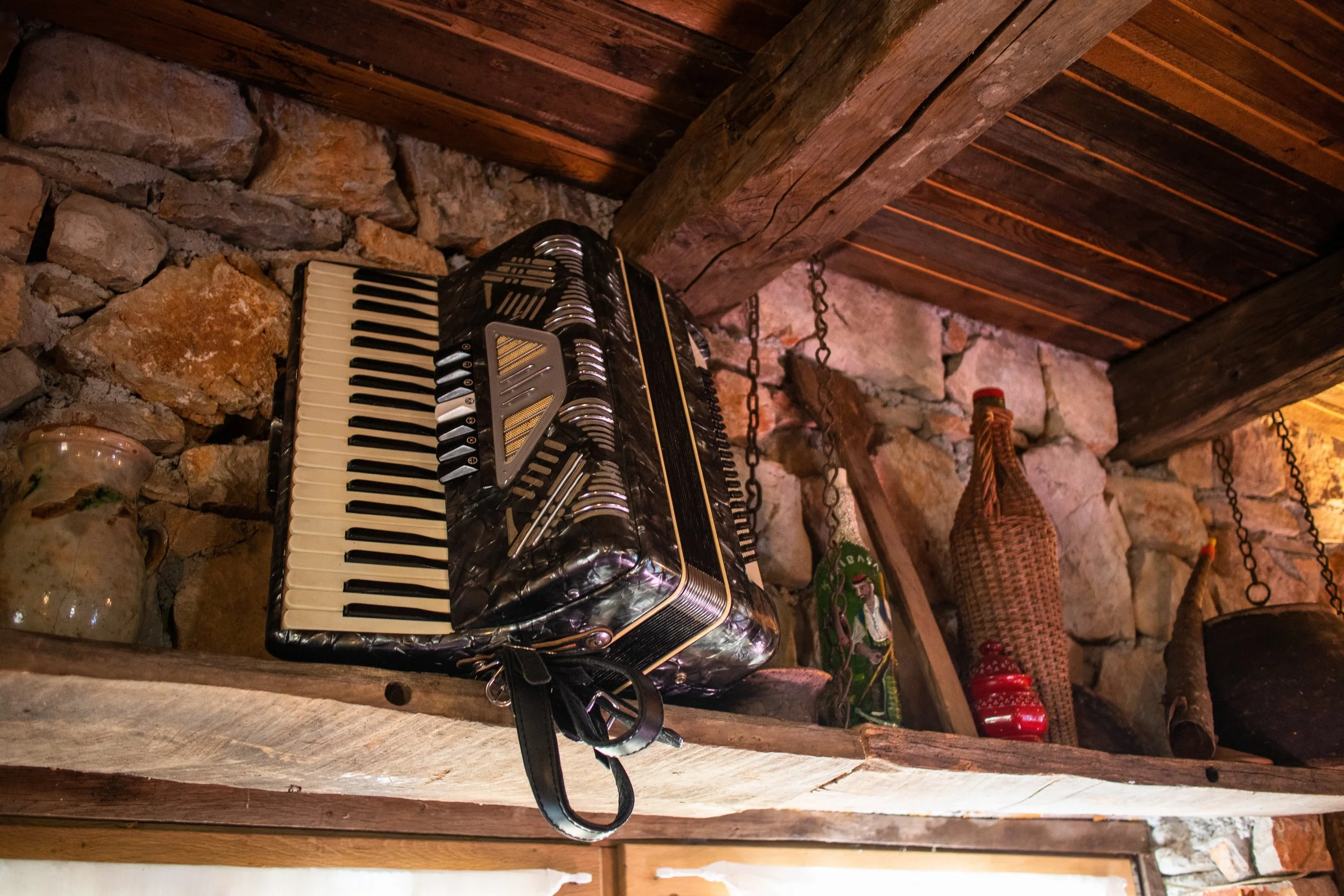
Etno Selo Dodig © DMZ001 // Shutterstock.com
Etno Selo Dodig
If you like your Etno selos wild and authentic, Dodig is the place for you. This is a proper wilderness expedition, so don’t expect much in the way of mod cons and creature comforts. However, if you want those things, stay in a hotel, right? Etno Selo Dodig is all about the natural world and the ebb and flow of life within, embracing the beauty of the surroundings and serving up some damn delicious traditional meals along the way. Dodig is located 6 miles or so north of town. Podovi, +387 60 32 42 677
BREWS, BOOZE, AND BITES
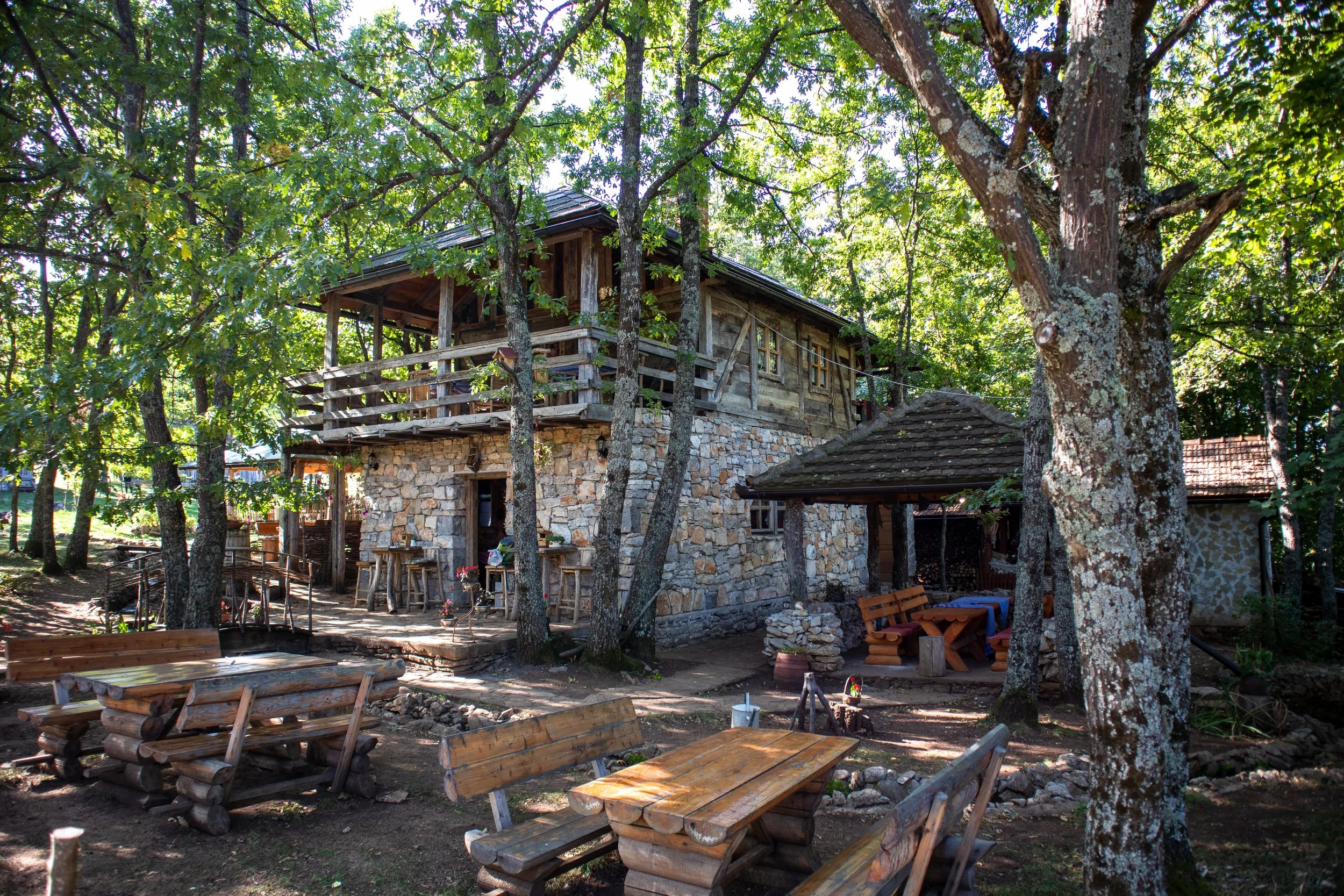
Etno Selo Dodig © DMZ001 // Shutterstock.com
Drvar is a small town in the midst of an economic crisis, so there aren’t many food and drink options to be found. Hotel Drvar (Titova 25, +387 34 961 961) and Time Out (Titova 23, +387 66 879 066) are next to each other in the centre of town and represent the best options in Drvar proper, serving acceptable food and decent coffee. Outside of the centre, Dodig (Podovi, +387 60 32 42 677) is the place to go, with delicious food in a fabulously rural setting.
SLEEPING
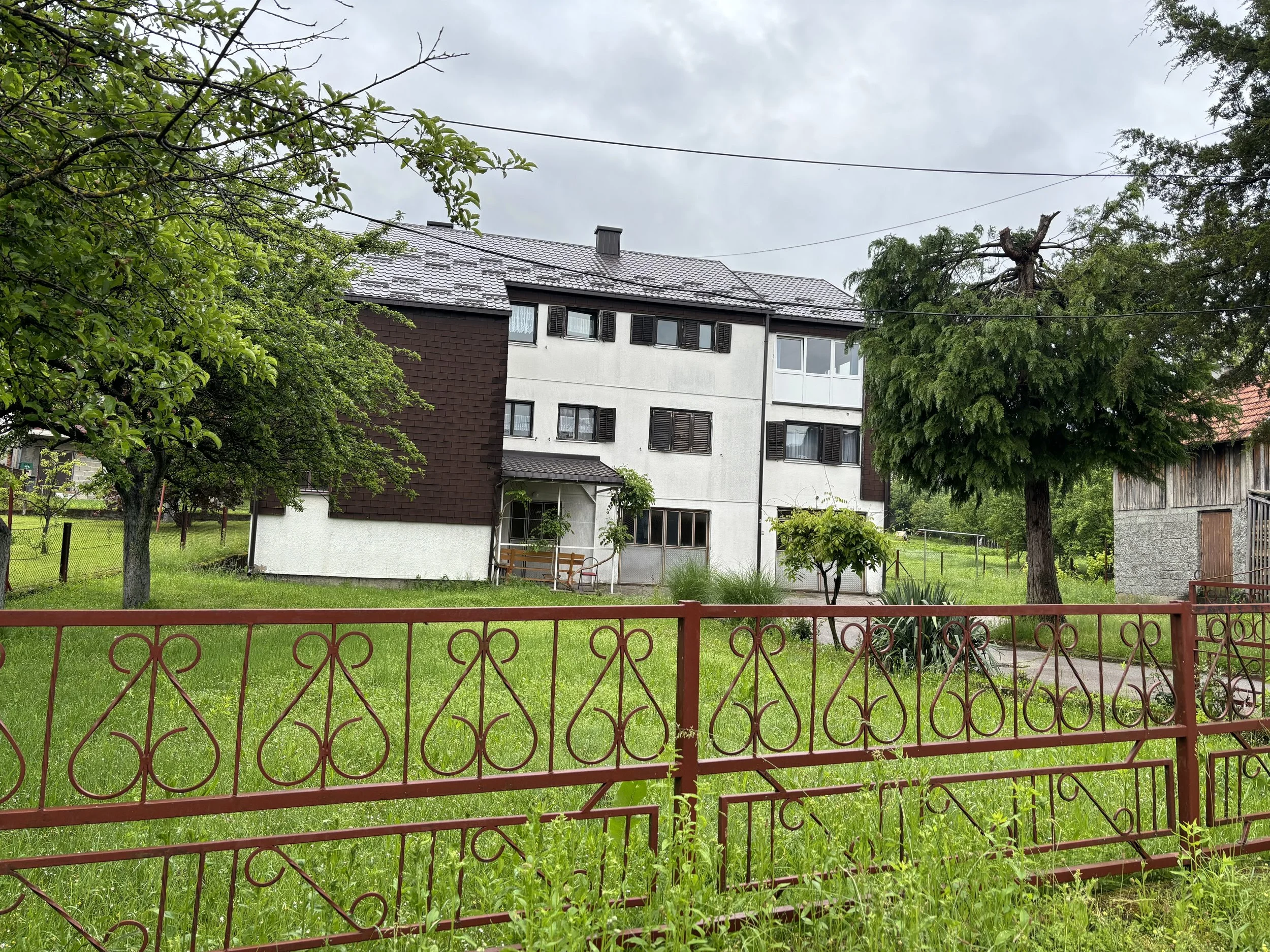
Guesthouse Trikić in Drvar © John Bills
Hotel Drvar (Titova 25, +387 34 961 961) is smack bang in the centre of town and a great option for anyone after a bit of Yugostalgia, though it does mean foregoing most creature comforts. If you are travelling in a group, the real value is a little outside the centre (not far from Tito’s Cave) at Guesthouse Trikić, a large house that can sleep about 7 or 8 people, all told. The owner is a super-friendly old gentleman who will almost certainly join you in sampling some homemade rakija, if that is your bag. If you’ve got a car, Etno SeloDodig (Podovi, +387 60 32 42 677) is the best option, by far.