BRČKO
BRČKO

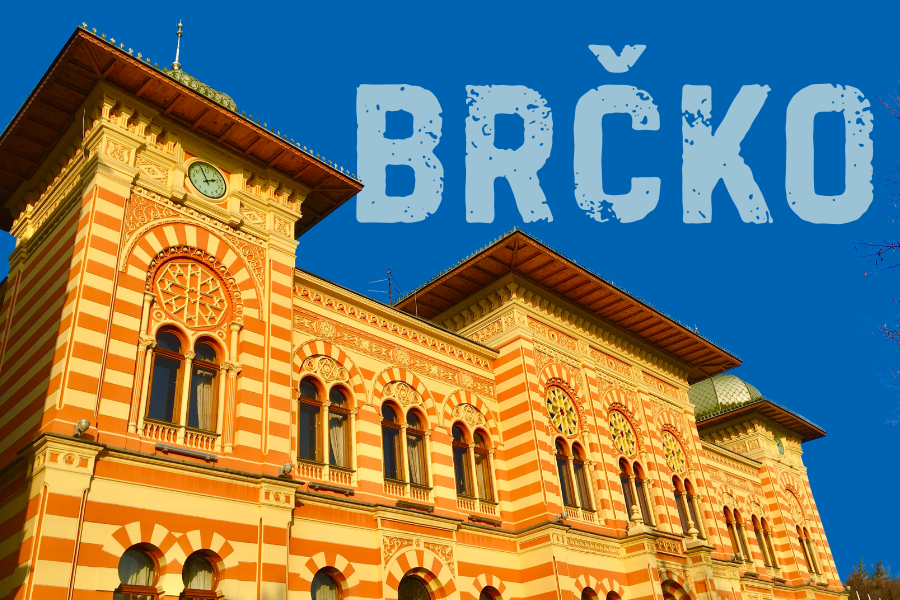
The City Hall in Brčko © John Bills
There’s nowhere in Bosnia and Herzegovina quite like Brčko, a claim that is true both figuratively and literally. Technically speaking, this is the Brčko District, a third entity within the country, one not tied to the Federation or RS. Why? History, war, and politics, obviously. Oh, and geography. That tends to be a theme for cities that sit at the confluence of rivers. Brčko has long held an important strategic position, and while I’m never entirely sure what that means, it doesn’t stop it from being true. True development came with the arrival of the Ottoman Empire in the 16th century, which fortified the town, introduced Islamic architecture, and set about integrating it into the wider regional commercial system. The Austro-Hungarians followed, and you can point the finger at those blokes as the reason why Brčko might be the most impressive architectural city in Bosnia and Herzegovina. Say what you like about the Aut-Huns, but damn did they build some beautiful buildings in Brčko.
The rest of the 20th century went the usual way, with industrial growth in the Yugoslav years and grim misery during the most recent war. Again, an important strategic position, and all that. The future of the city was a major sticking point in the negotiations to end the fighting, as it essentially split the RS in two. The city wasn’t given to either side; instead, it was designated as a self-governing district — a compromise in city form.
Today. Brčko is a city on the move, one that shimmers with truly spectacular architecture, housing some of the country’s best cafes. The City Hall is probably the most beautiful building in the country, and I don’t know why I used “probably” there. It also looks gorgeous in dense fog, which is as big an endorsement as you’re going to get. It almost makes up for the mosquitoes and the bus station.
TRANSPORT
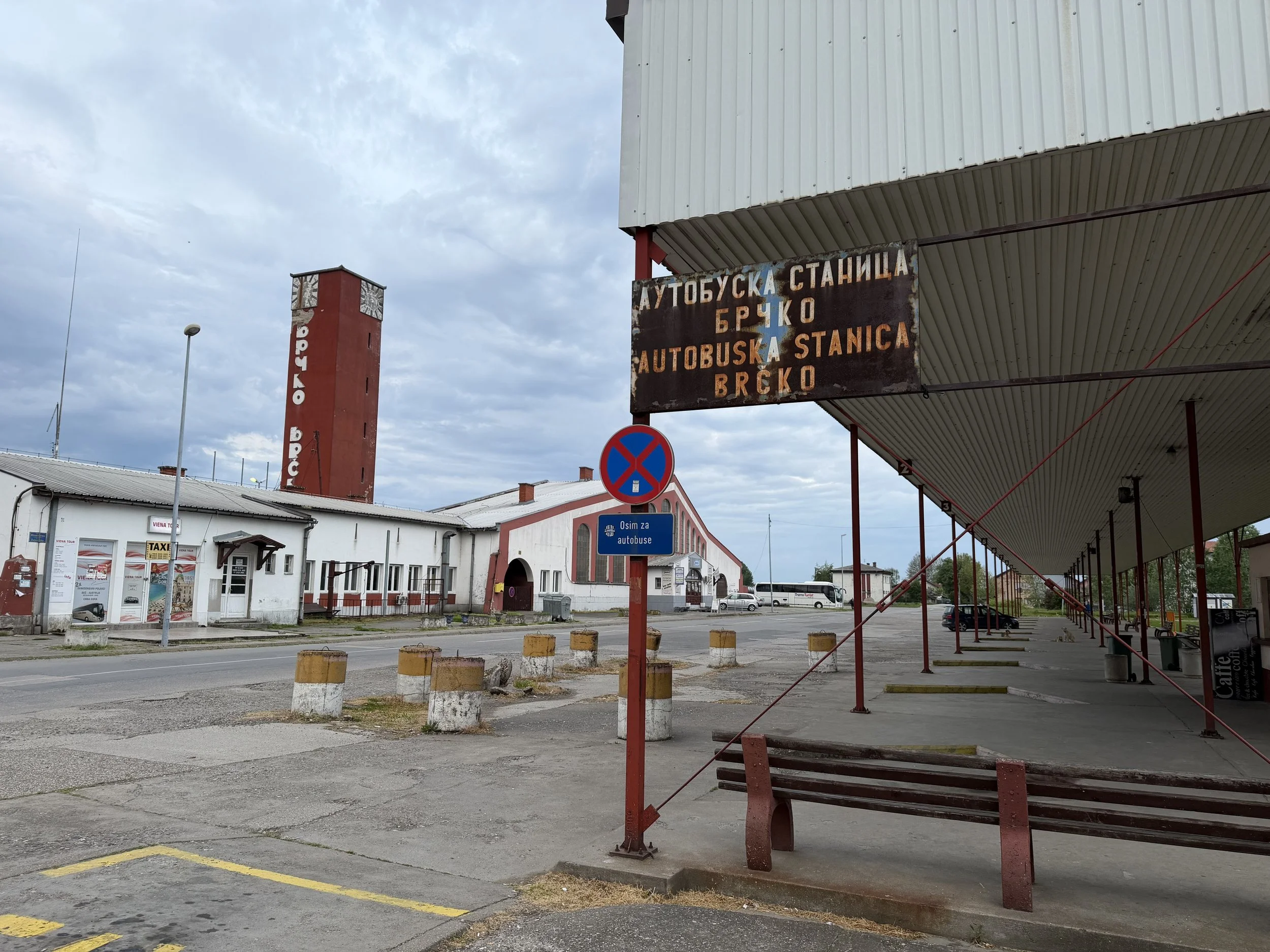
The bus station in Brčko © John Bills
Oh, Brčko, that bus station (Želježnica, +387 49 215 657). Not good, not good. Located a 20-minute walk from the city centre, there isn’t anything there other than a shack for tickets and a heap of platforms. Sure, there is a betting shop and cafe across the road (friendlier than you might think), but it all makes for a pretty lacking station. On the plus side, they recently (as in, April 2026) removed the 2018 timetable, so there’s that. Still, Brčko is well connected, with daily departures to Sarajevo, Tuzla, Banja Luka, Bijeljina, Istočno Sarajevo, and others, as well as international buses to Belgrade, Novi Sad, and Zagreb.
WHAT TO SEE AND DO
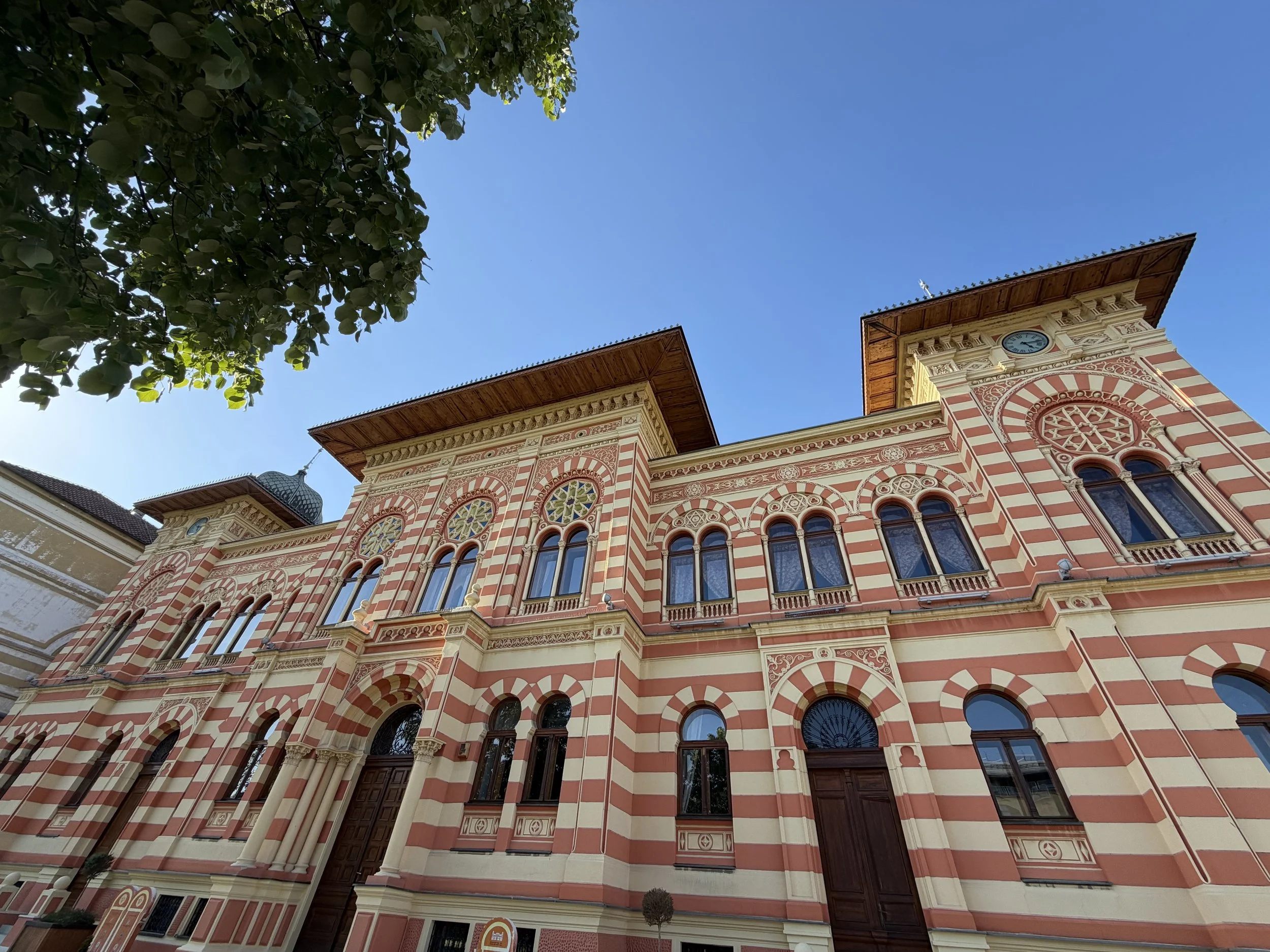
Gradska vijećnica Brčko © John Bills
Vijećnica
It might sound like a big statement, and it is, but I’m going to go ahead and say that Brčko’s City Hall is the most beautiful building in Bosnia and Herzegovina. I’m more than happy to stand by that. Constructed in 1892, the Brčko Vijećnica is an absolute beaut and actually predates its more famous sibling in Sarajevo, not that age really matters here. Still, it is easy to draw a line from the pseudo-Moorish style and gorgeous, sand-washed colours of Brčko to the equivalent in the capital, although you have to ask yourself why the Sarajevo version doesn’t come with the dramatic flourishes and creative imagination of Brčko’s vijećnica. The building was conceptualised by Aleksander Vitek and constructed by Ćiril Iveković, and its celebration of symmetry is a triumph, from the bulbous domes to its dramatic horseshoe arches and intricate ornamentation. Today, the City Hall serves as the town's administrative centre, but let’s not get bogged down in bureaucracy. This is a spectacular building. Visitors are free to go and take a look inside (8:00-15:00), and while there’s a lot to be said for such things, the real magic is in the facade. Ten out of 10, no notes. Bulevar mira
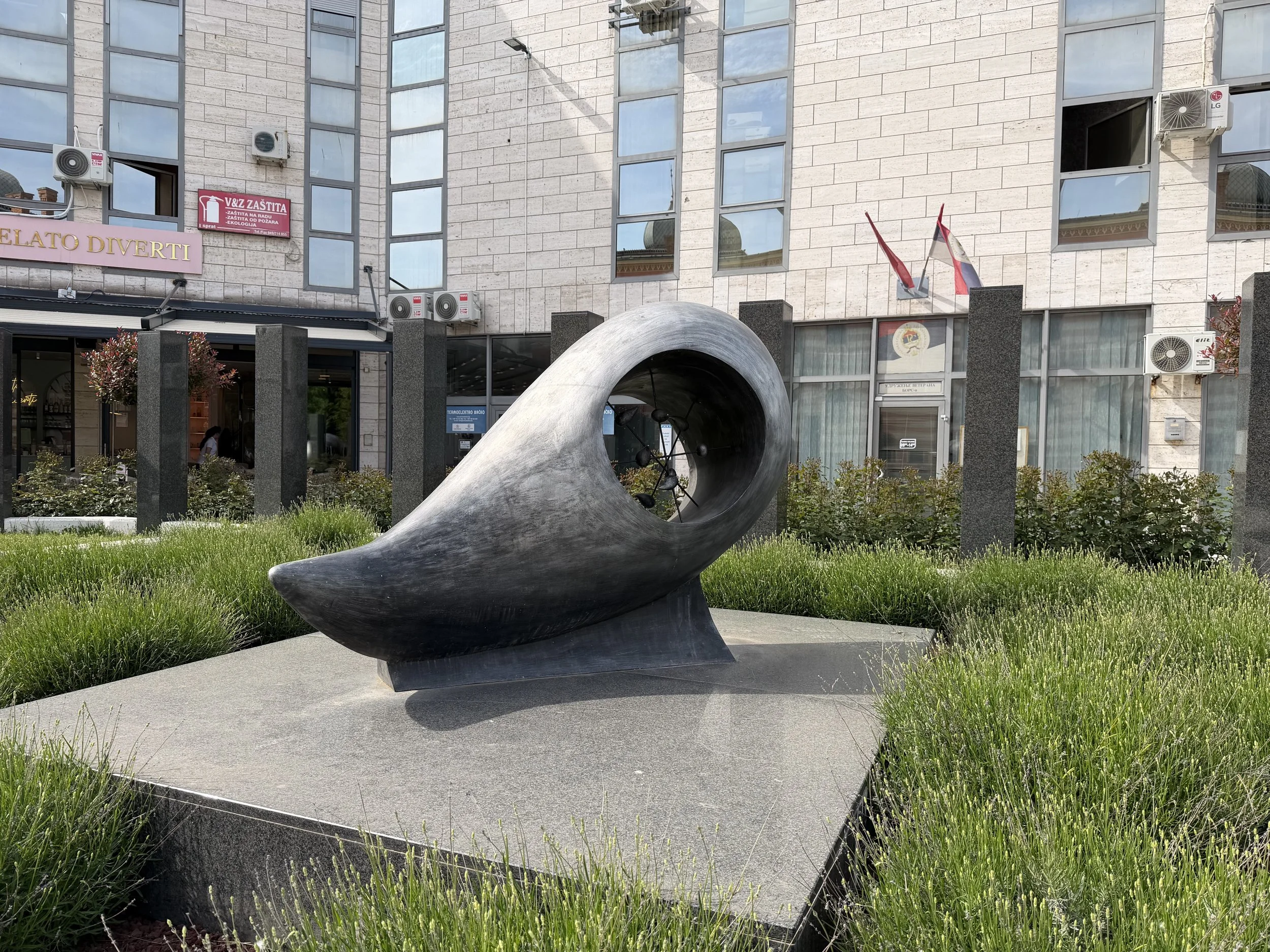
The Monument to the Civilian Victims of War © John Bills
Monument to the Civilian Victims of War (Spomenik civilinim žrtvama rata na području općine)
There are several war monuments in the heart of Brčko, and the city’s special status in Bosnia and Herzegovina means you can find memorials for Bosniaks, Serbs, and Croats within walking distance of each other. However, I’m going to shine this particular light on a striking monument located behind the Vijećnica. This teardrop-shaped structure is a monument dedicated to civilians who lost their lives in World War II or the most recent conflict, and was unveiled in 2023. We’re all skin, bone, and sinew, after all. Bulevar mira
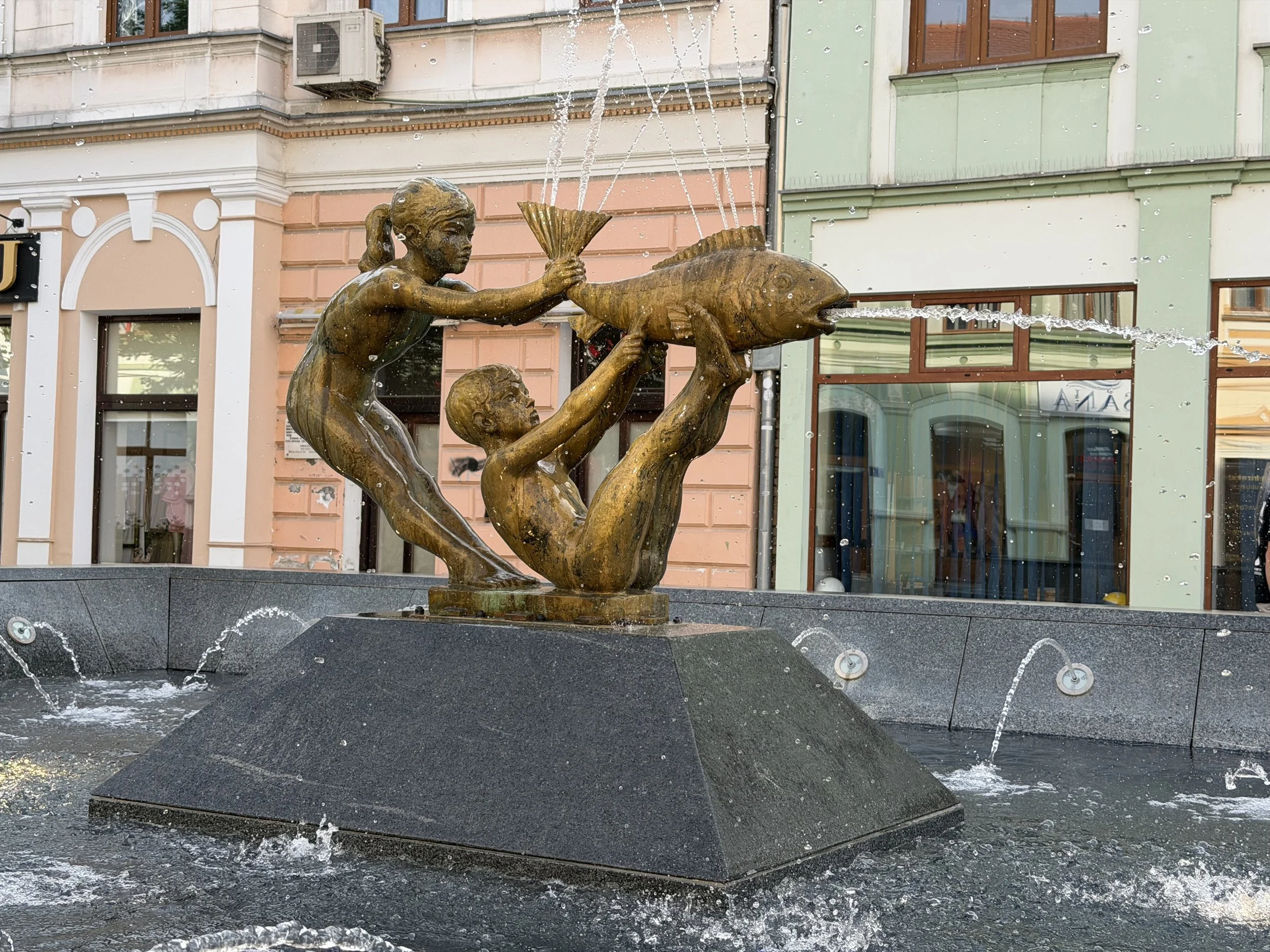
The Fountain of Youth in Brčko // © John Bills
Fountain of Youth
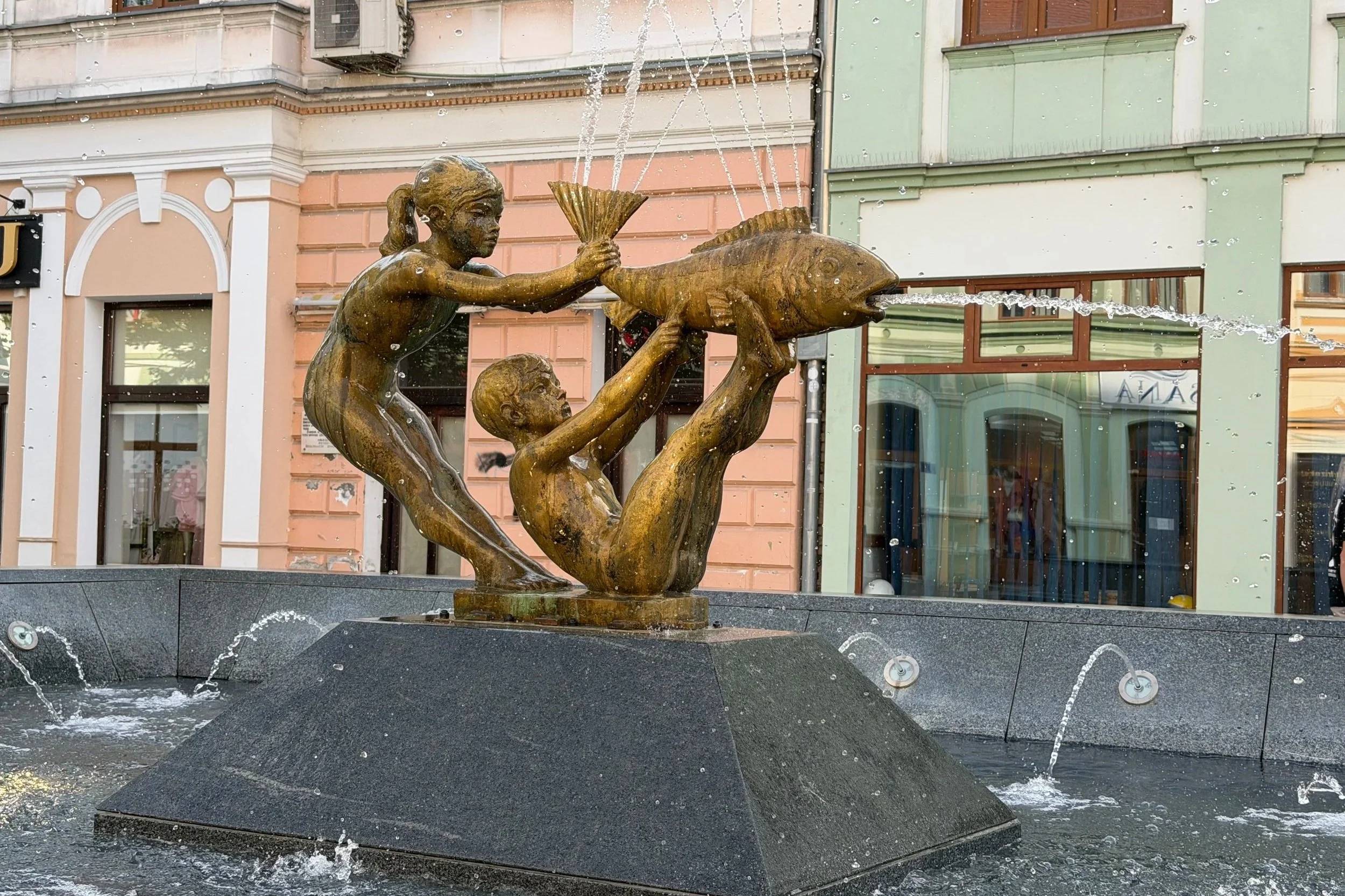
One of the wackiest city symbols you’re going to come across, that’s for sure, but also one of the most marvellous. Brčko’s Fountain of Youth is back and shining, and Sead Ekmečić’s 1963 design is as striking as ever. The fountain’s statue is the main event, a depiction of a young girl and boy holding onto a fish's tail. The statue is said to symbolise the connection between the city and the river, although I secretly just want it to symbolise a couple of kids holding onto a fish. It’s quite the image, to say the least. Whatever the meaning, it is a brilliant piece of public and urban art, and one of the most photographed settings in the city. Trg mladih
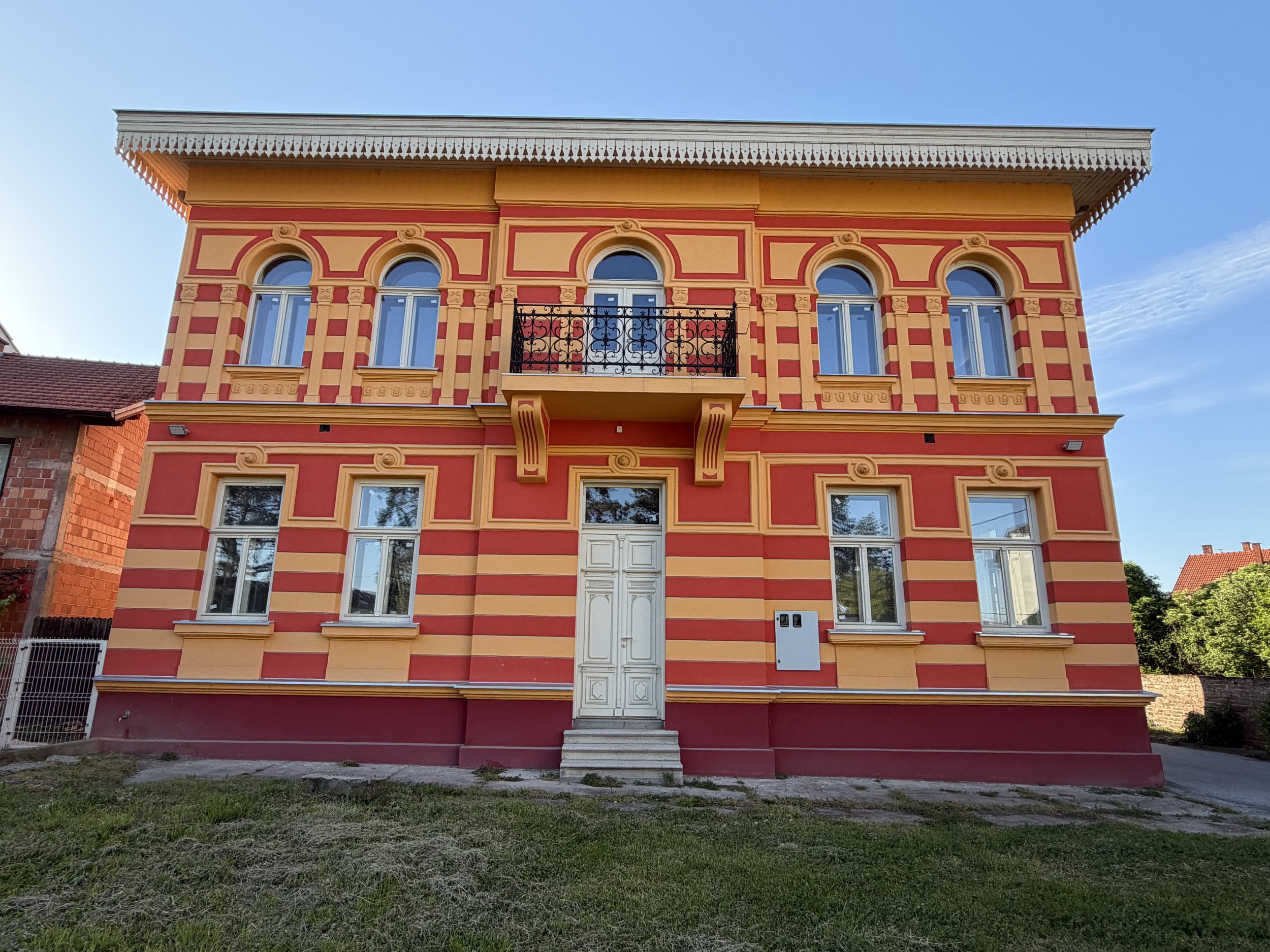
The Kučukalić/Kočić House in Brčko © John Bills
Kučukalić House (Kuća Kučukalića)
Also known as the House of Kočić, this spectacular house close to the White Mosque is arguably the finest structure left to the city by Ali-aga Kučukalić. It took a while to build, 17 years in fact, but the final result is a shimmering beauty of red and yellow bands, echoing pseudo-Moorish architectural ideas without going over the top. However, time waits for no man or structure, and it is difficult to accurately gauge the house’s current state. The facade looks fine, bright, and vibrant as ever, but the interior might not be in such good shape. Still, you aren’t going to enter the building; you are going to appreciate its architectural charms from the outside. It is gorgeous. Reisa Džemaludina Čauševića 14
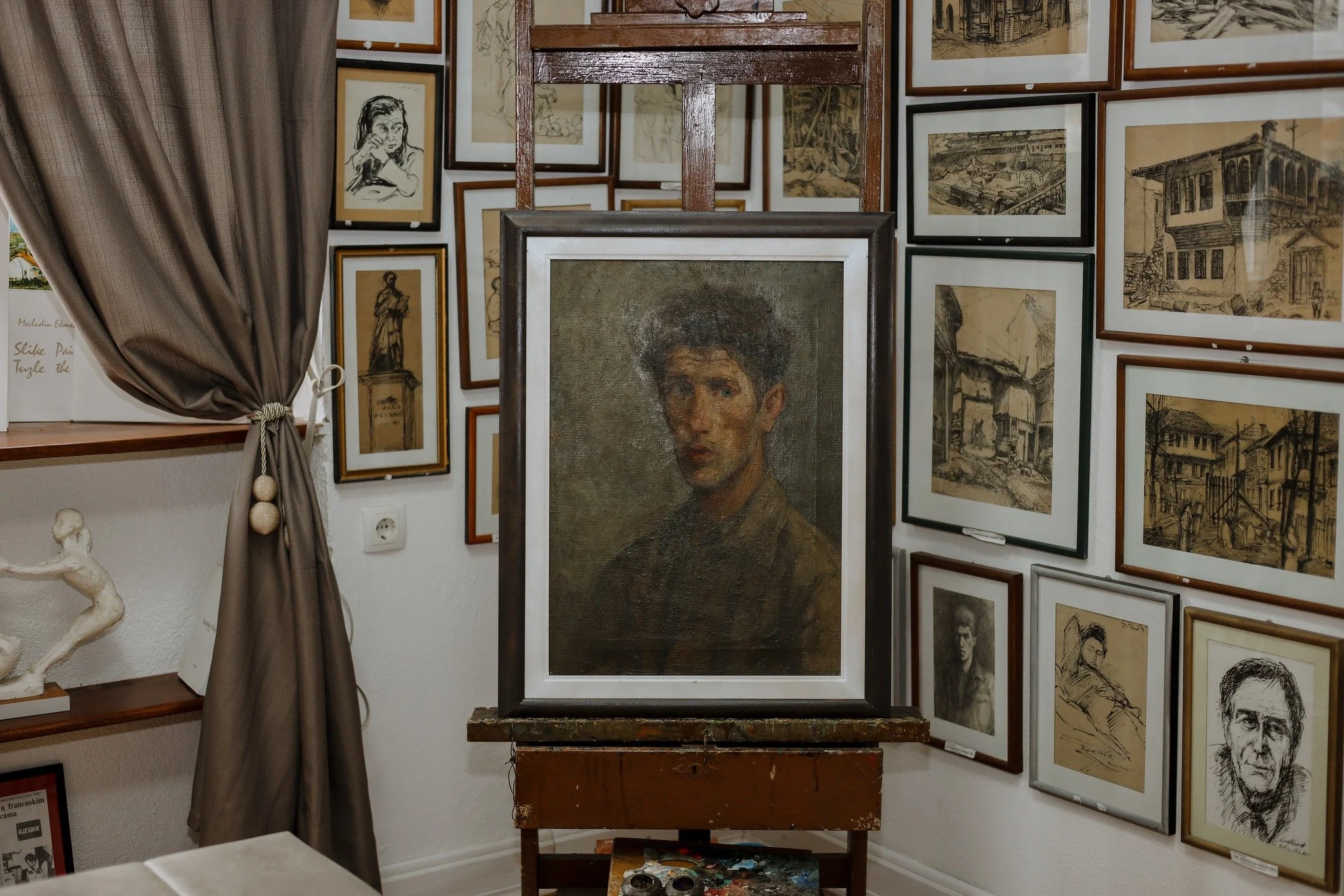
© Fondacija Legat Ekmečić / Facebook
Legat Ekmečić Foundation (Fondacija Legat Ekmečić)
The first private institution of its kind in the city, the Legat Ekmečić Foundation is a love letter to local creativity and curiosity. The best type of love letter? I’ll leave that up to you, but the argument made by this warren of expression is hard to deny. The gallery (I’m happy to call it a gallery) focuses on the Ekmečić, Morić, and Isaković families, with thousands of creations held within its walls. Chief among them is the entire artistic output of Sead Ekmečić, the city’s first trained academic sculptor and the brilliant brain behind the bonkers (in the best way) Fountain of Youth. The foundation is well worth a visit, although the opening times are a little tricky. You can always try contacting the foundation on social media to organise a visit. Fri and Sat 11:00-13:00, 16:00-20:00, Savska 2, +387 62 111 107, legatekmecic@gmail.com
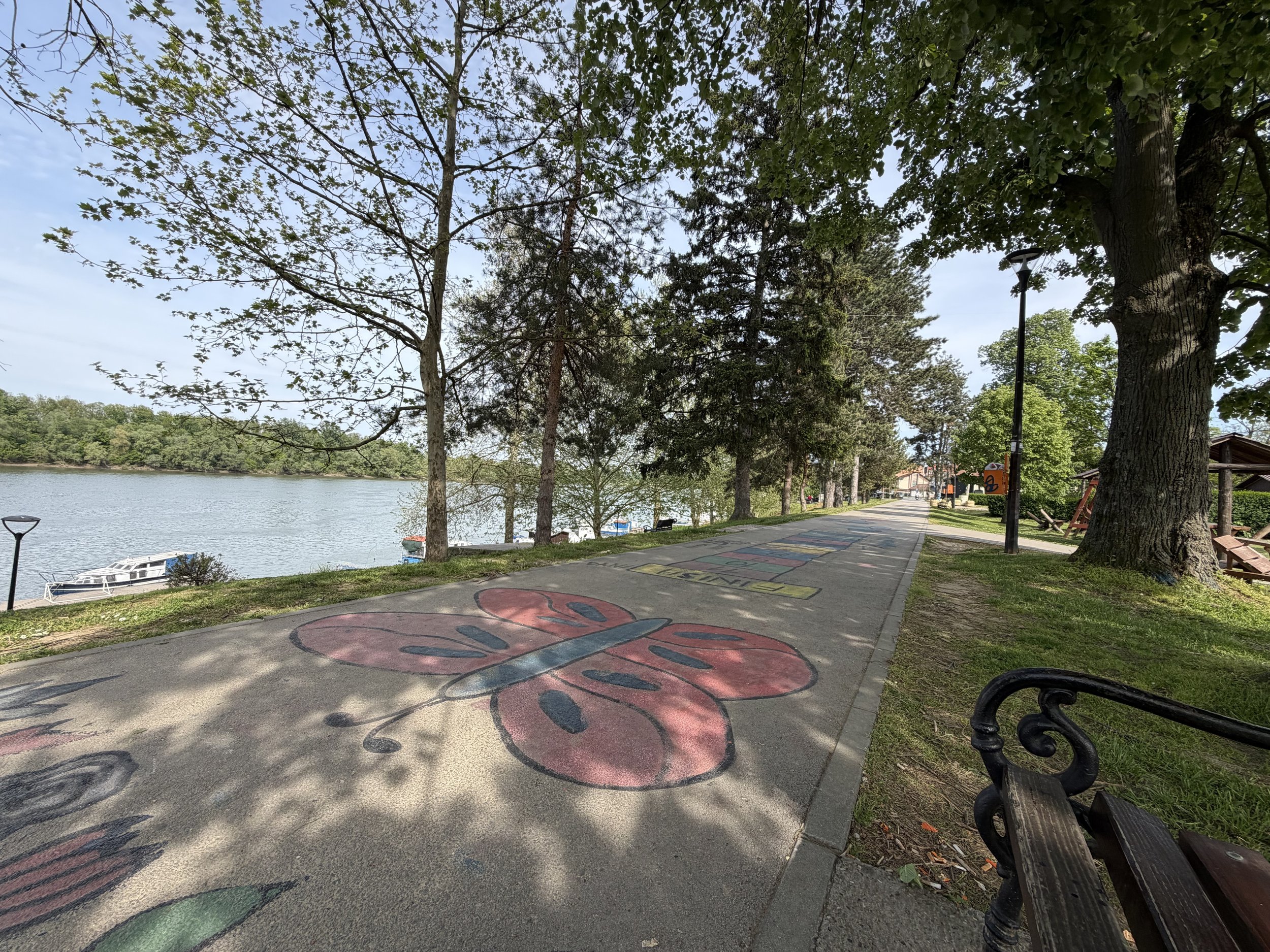
Ficibajer in Brčko © John Bills
Ficibajer
Brčko’s architecture might steal the show (to my four eyes), but don’t overlook the city’s position at the confluence of two rivers. Urban creativity is king, but the abundance of green spaces and expansive natural showcases allows it to thrive. Chief among these is the Ficibajer picnic area on the banks of the Sava in Kolobara. There are a heap of picnic benches, swing seats, and patches of grass for plonking botty, along with areas for activities like basketball, volleyball, and soccerball. If you’re looking for a stroll, the path leads the way. Ficibajer is the place to head during the summertime Sava Regatta, although I feel that goes without saying. There are also a couple of decent cafes up this way if you’d prefer a more formal form of refreshment. One thing to note is that Brčko is the most mosquito-filled town in the history of time and space, so get ready for those bastards up here.
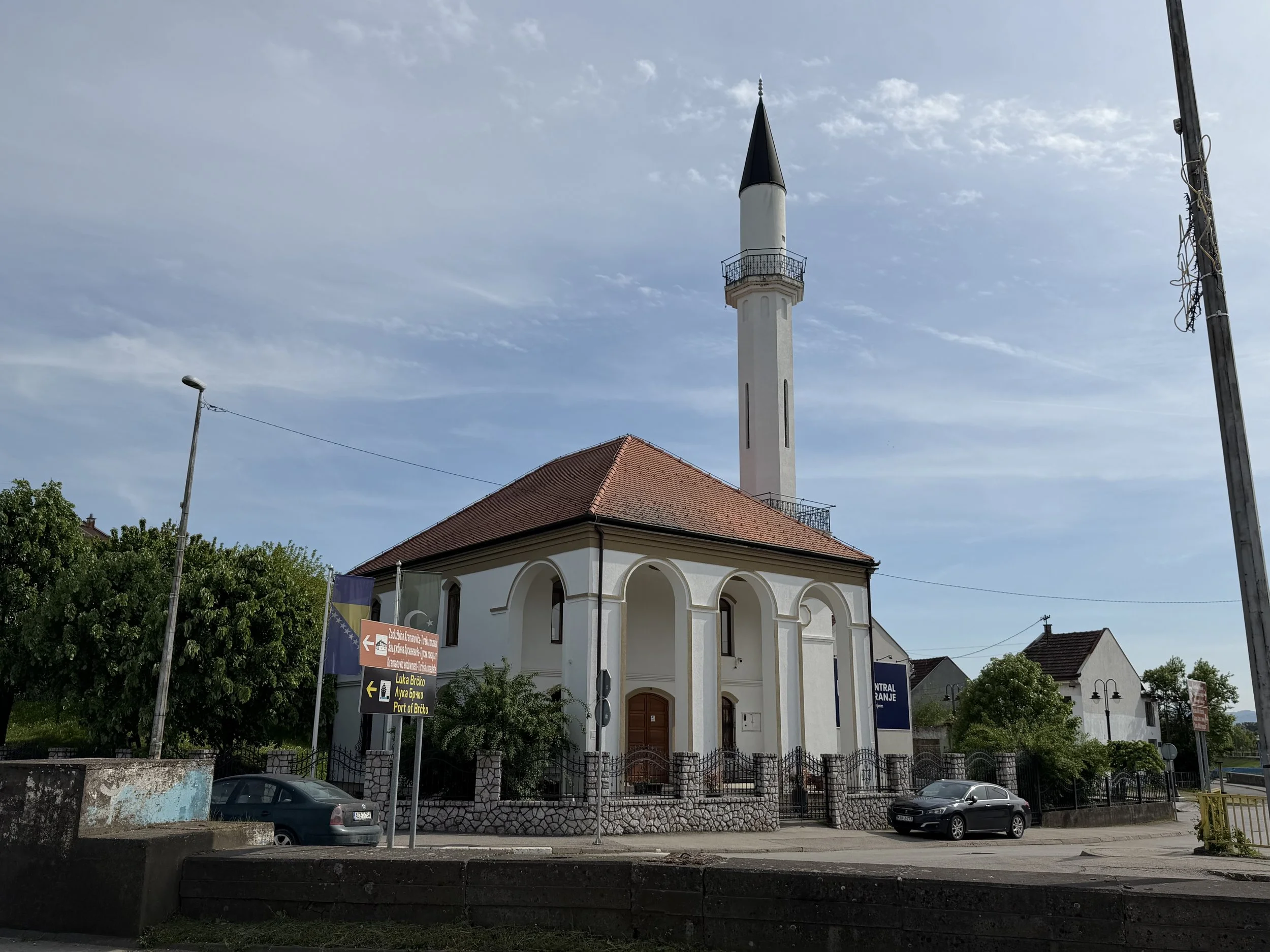
Atik-Savska Mosque in Brčko © John Bills
Atik-Savska Mosque (Atik-Savska Džamija)
Brčko’s oldest mosque is this little charmer near the river. There isn’t a whole lot to write home about with this one, as the one-room mosque follows the usual line without giving in to the temptation of architectural ostentation, but there’s a lot to like about that. The original wooden mosque was constructed in 1650 and saw the usual renovations over the century before it was destroyed during the most recent conflict. The mosque was rebuilt to its former splendour in 2006. Konačko brdo
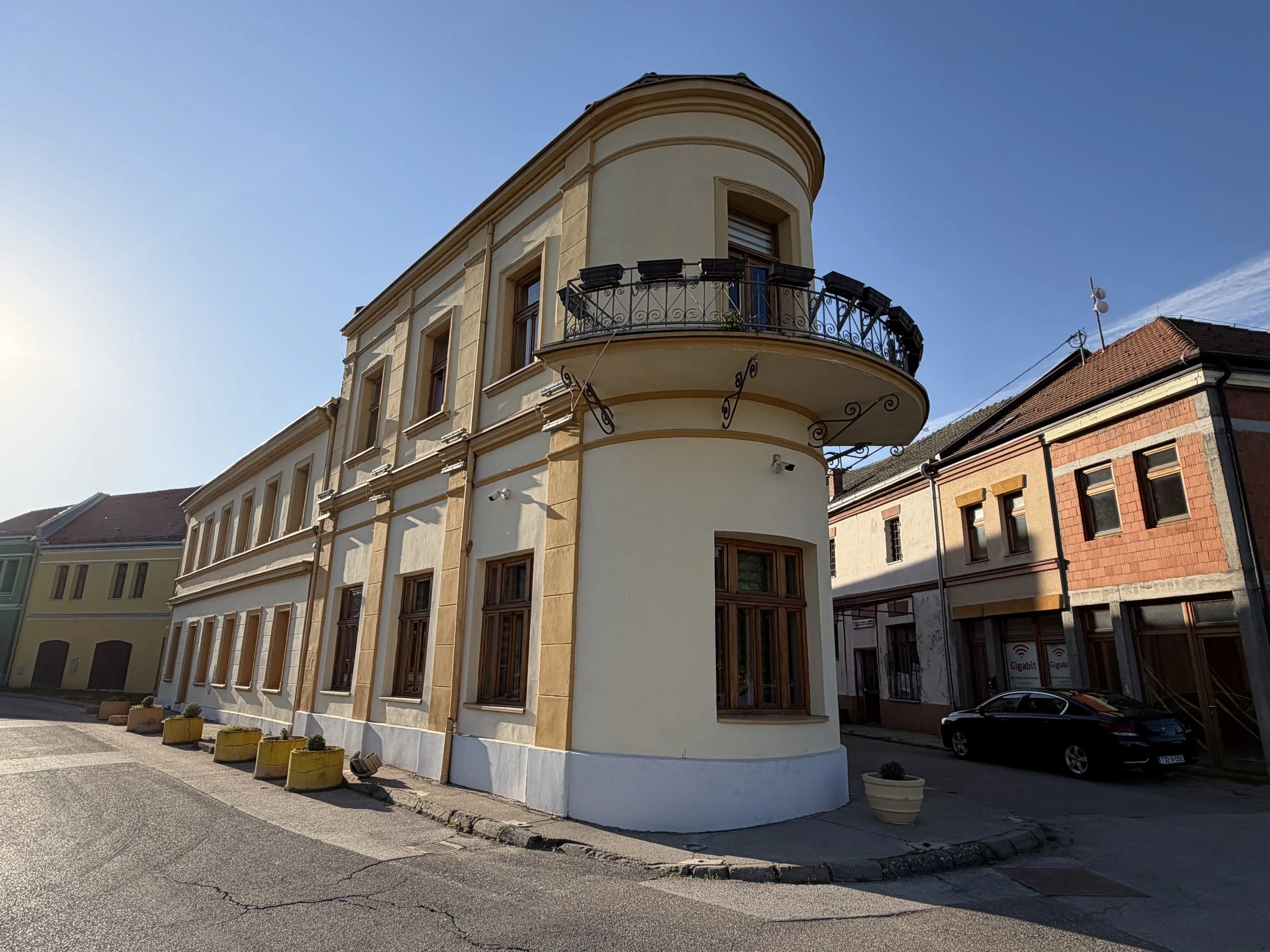
Islahijet © John Bills
Islahijet
I’m sure there’s an argument out there that puts Brčko top of the tree when it comes to architectural cities in Bosnia and Herzegovina, and the triumphant grace of Islahijet is another string to that bow. Constructed during the brief Austro-Hungarian period, this small but colourful building complex sits near the confluence of the rivers. It served various functions during its time, primarily focused on the needs and interests of local society (the complex takes its name from an Islamic educational society in the city). Islahijet has been given a new coat of paint and shines all the brighter for it. Islahijet
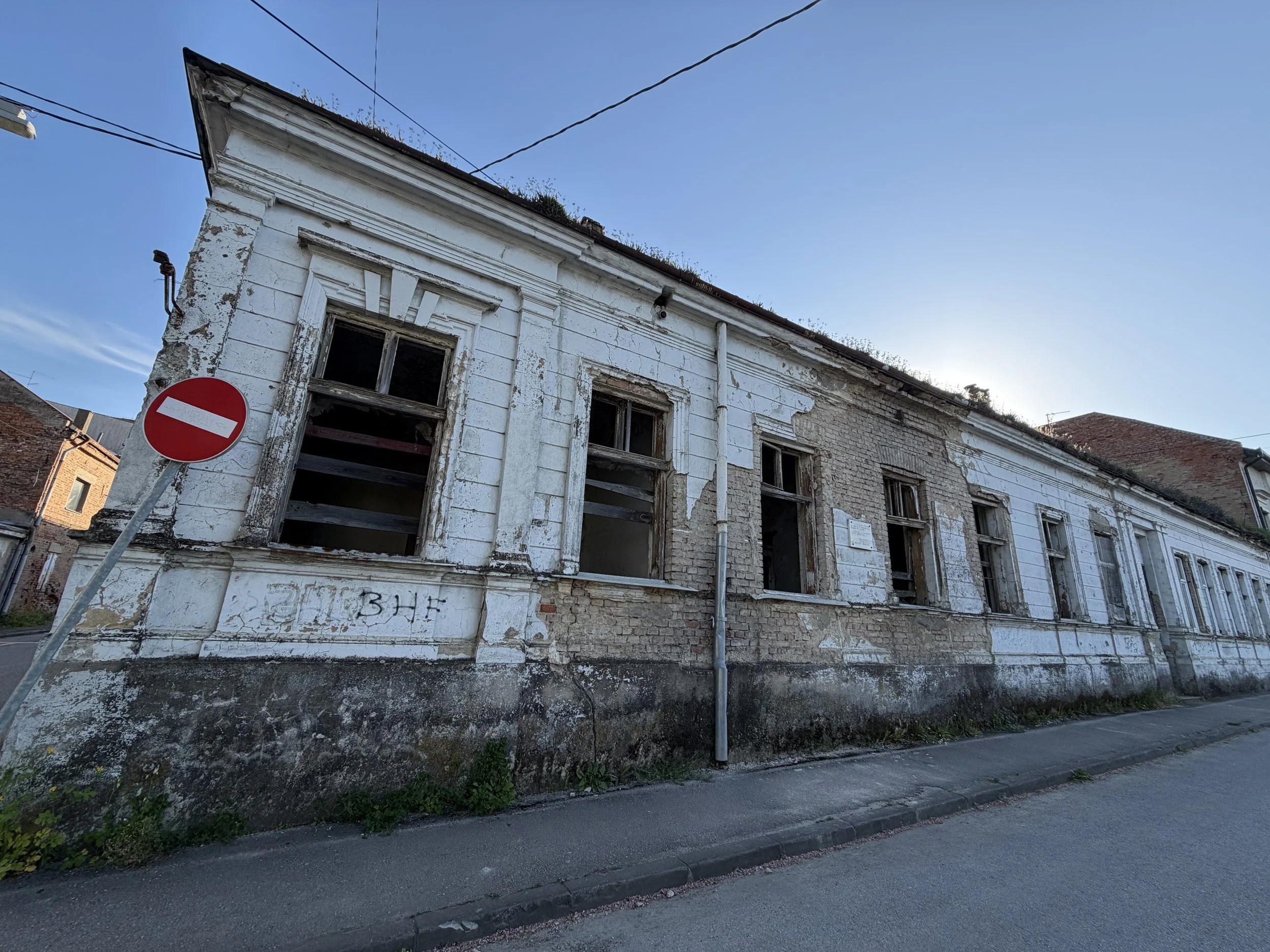
Brčko’s first post office © John Bills
First Post Office (Prva Pošta)
Brčko’s first post office is in a sorry state today, a dilapidated building on the verge of collapse in Kolobara, but it retains a sense of grandeur and importance nonetheless. The post office was opened in 1864, a dog-leg, one-story building with 13 windows that echoes the Neo-Renaissance without staking a real claim, although it is difficult to tell these days. I like to think the building will be resurrected someday, but that will take some serious cash. For now, it is a relic on the verge of ruin. Danila Kiša
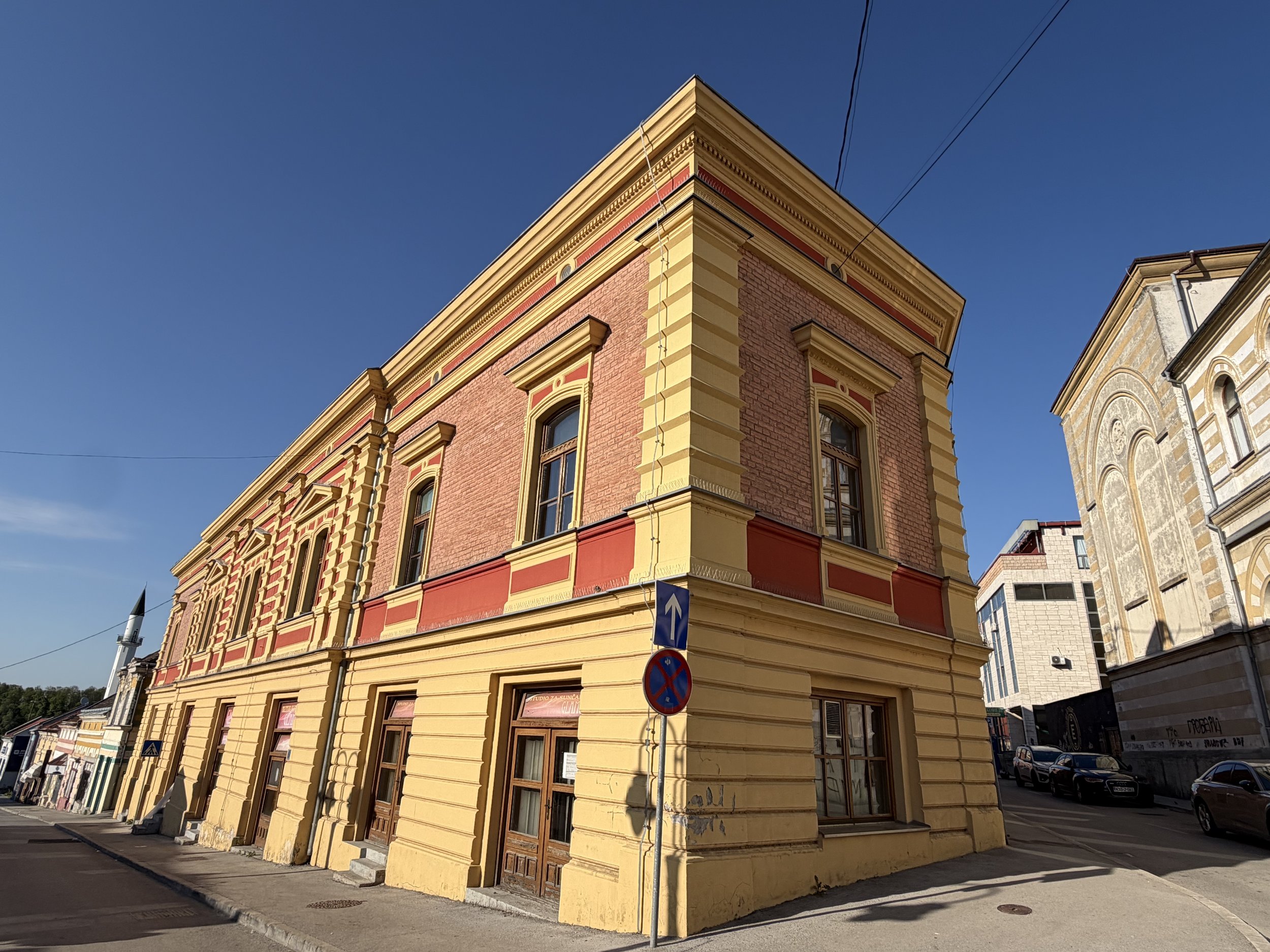
Palestine Palace in Brčko © John Bills
Palestine Palace (Palata Palestina)
Just around the corner from the City Hall is another grand structure from the late 19th century, the so-called Palestine Palace (Palata Palestina). I’m not entirely sure what the story is behind the name, as the building is another from the endowment umbrella of Ali-aga Kučukalić, but I’m assuming there is some lore to be discovered. Either way, it is a gorgeous structure on the small slope down to the river. Here’s hoping there’s more to add to this in the future. Konačko brdo
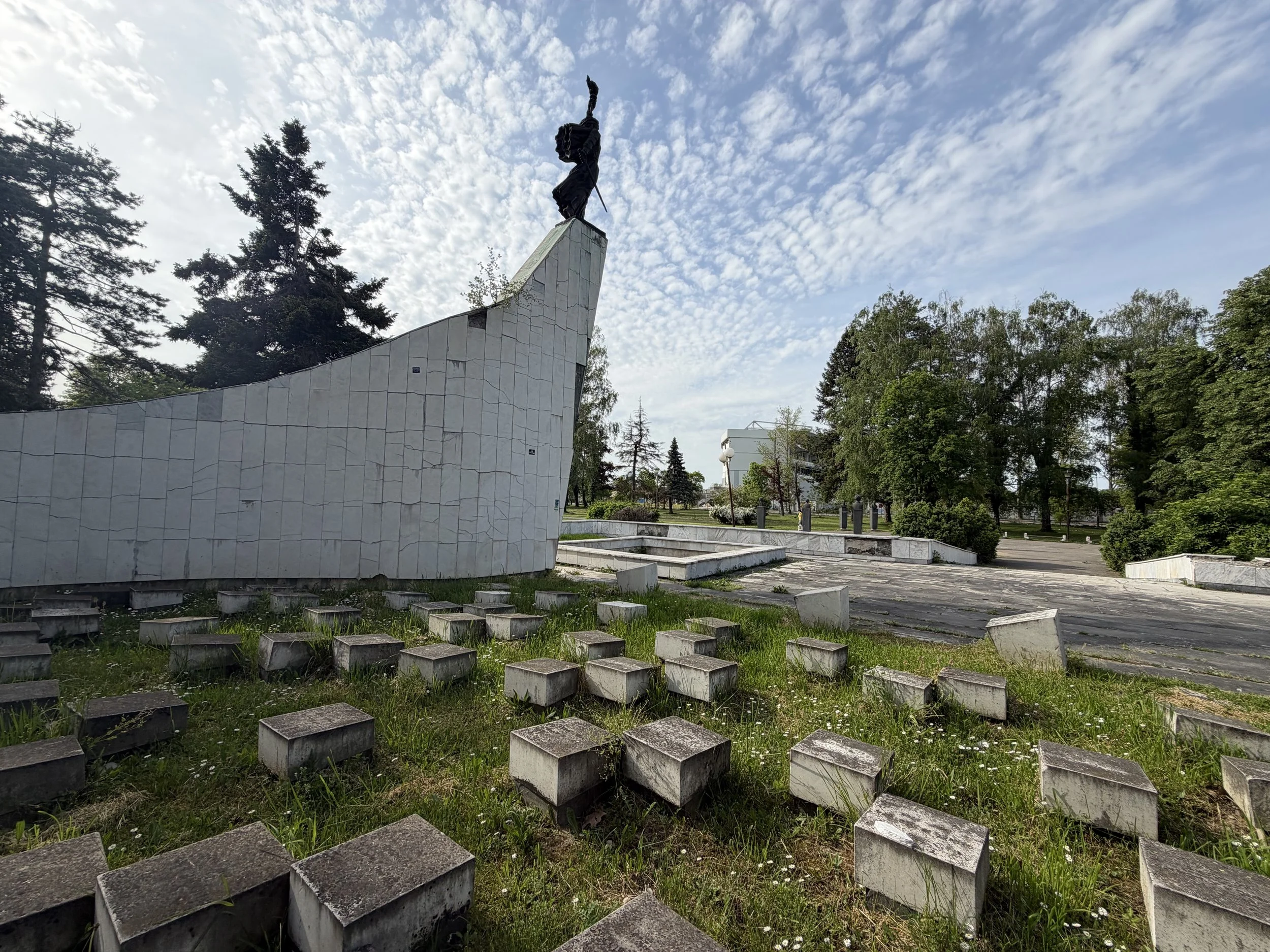
Partisan Memorial Cemetery in Brčko © John Bills
Partisan Memorial Cemetery (Partizansko spomen groblje)
It doesn’t get as much press as some of its spomenik counterparts (it doesn’t really get any press), but Brčko’s Partisan Cemetery is another fascinating marriage of history, remembrance, and modern-day neglect. The monument is fronted by the busts of several Partisan fighters, leading to an imposing concrete structure topped by the ubiquitous mother figure. The monument isn’t in the best shape, although that is par for the course for these spomeniks. The monument was built in 1964 and is surrounded by a serene park. Dobriše Cesarića 4
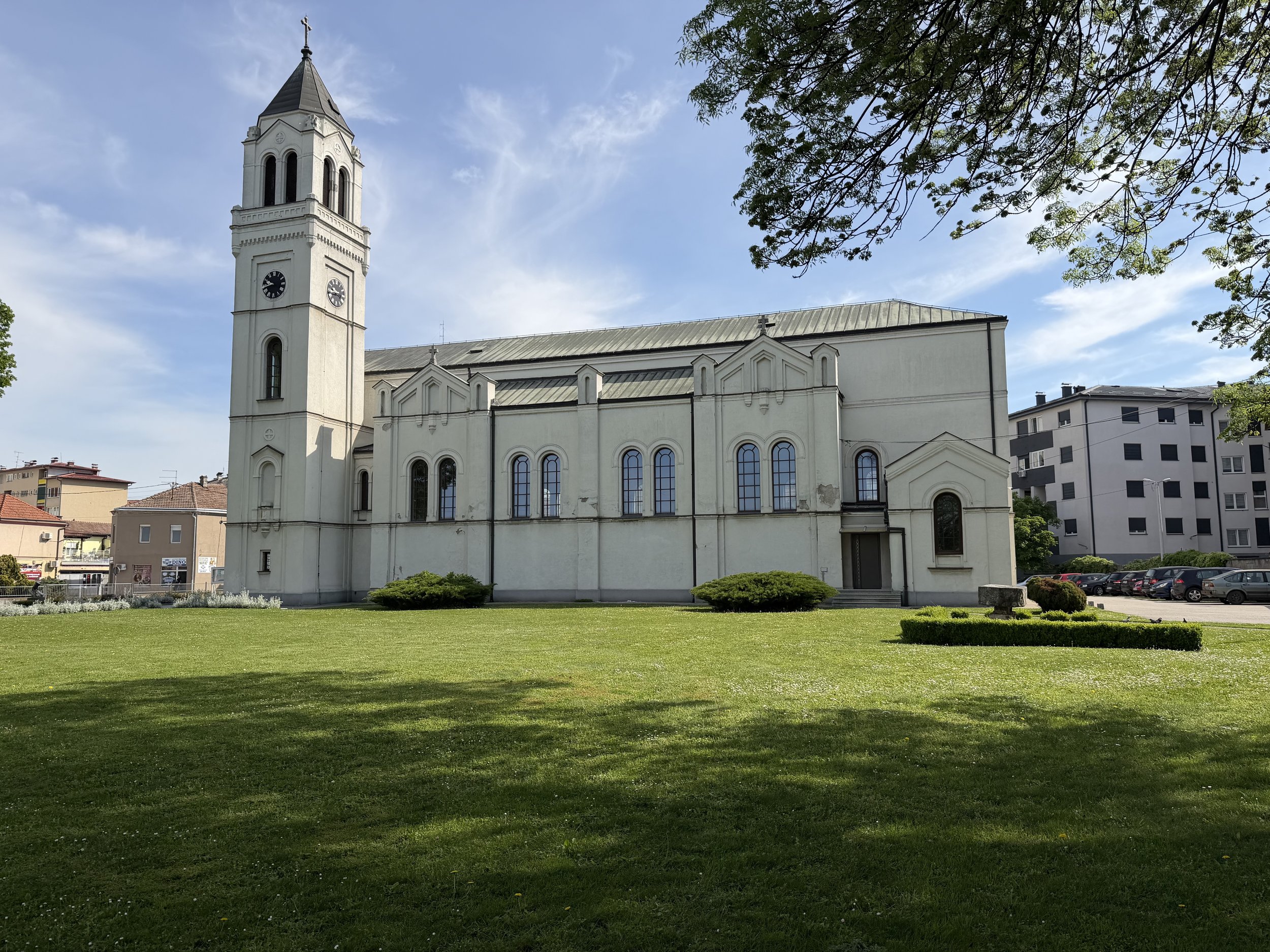
Church of the Sacred Heart of Jesus in Brčko © John Bills
Church of the Sacred Heart of Jesus (Crkva Presvijetlog Isusova)
Brčko’s central Catholic Church was built in 1933 and is designed by Karel Pařík, the same Czech dude whose architectural fingerprints are found all over the country. The church was constructed on a site next to an older church that was damaged in World War I, giving us the charming Church of the Sacred Heart of Jesus, located next to the City Park between the centre and the bus station, a winsome church with an impressive bell tower and a pleasant door, although the latter might just be my weird tastes. The church was predictably damaged in the most recent war and renovated in the 21st century. The interior has won awards for the quality of its reconstruction, although I am unable to vouch for its delights, having not been inside. I know, I know… Miroslava Krleže 5
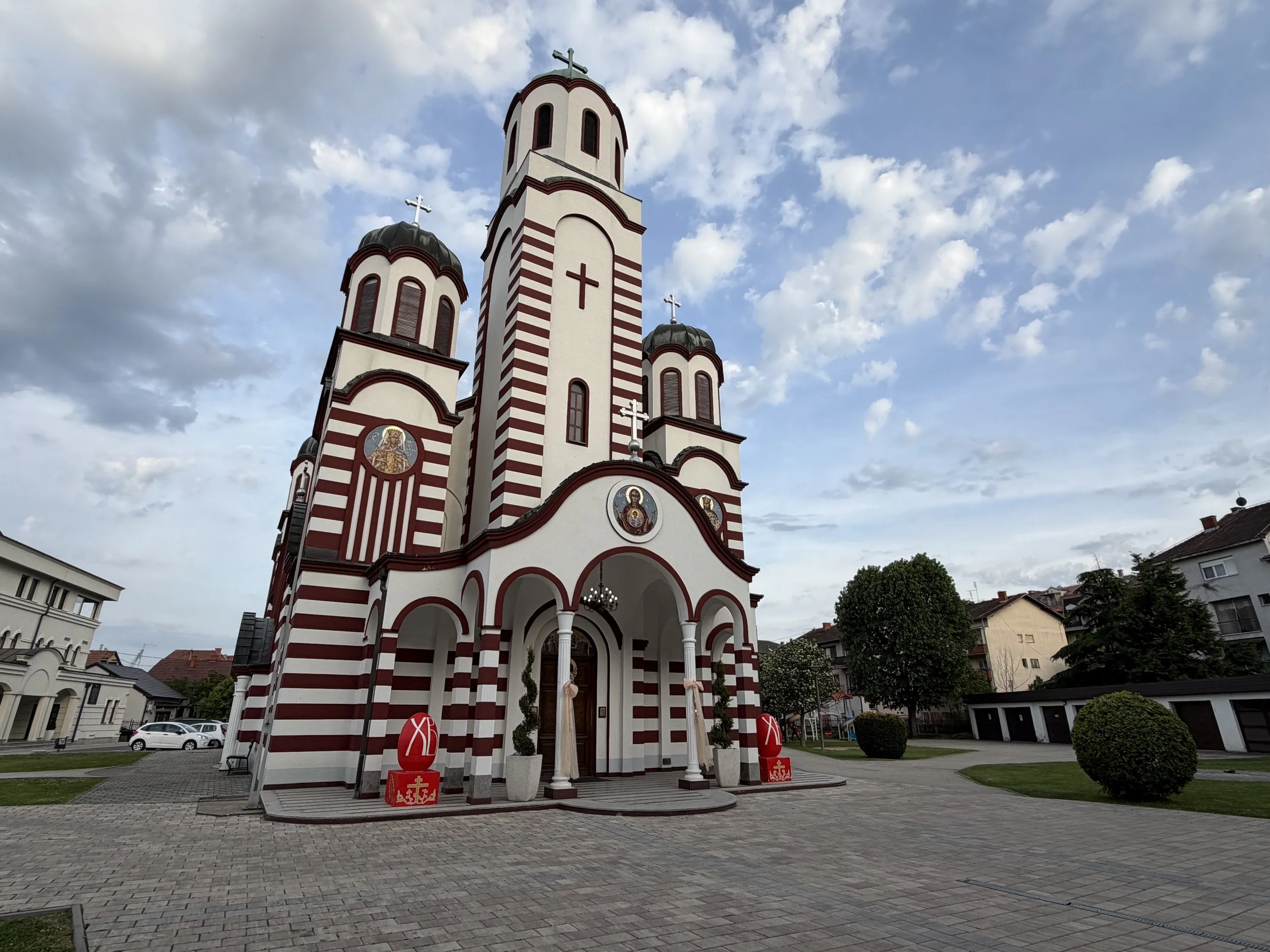
Orthodox Church in Brčko © John Bills
Church of the Assumption of the Blessed Virgin Mary (Hram Uspenja Presvete Bogorodice)
Located just a short walk from the Nea Hotel, the Church of the Assumption of the Blessed Virgin Mary is the Orthodox centre of Brčko proper, a beautiful, imposing red-and-white structure with frescoes within and activity without. I’m not a thousand percent (that’s a lot of percent) sure on the name, but that might be more of a semantics issue on my part than anything else. Construction of the church began in 1969 and was completed two years later, before being renovated at the beginning of the 21st century. There was a 19th-century church here before this, one that was destroyed in World War II. Jovana Dučića
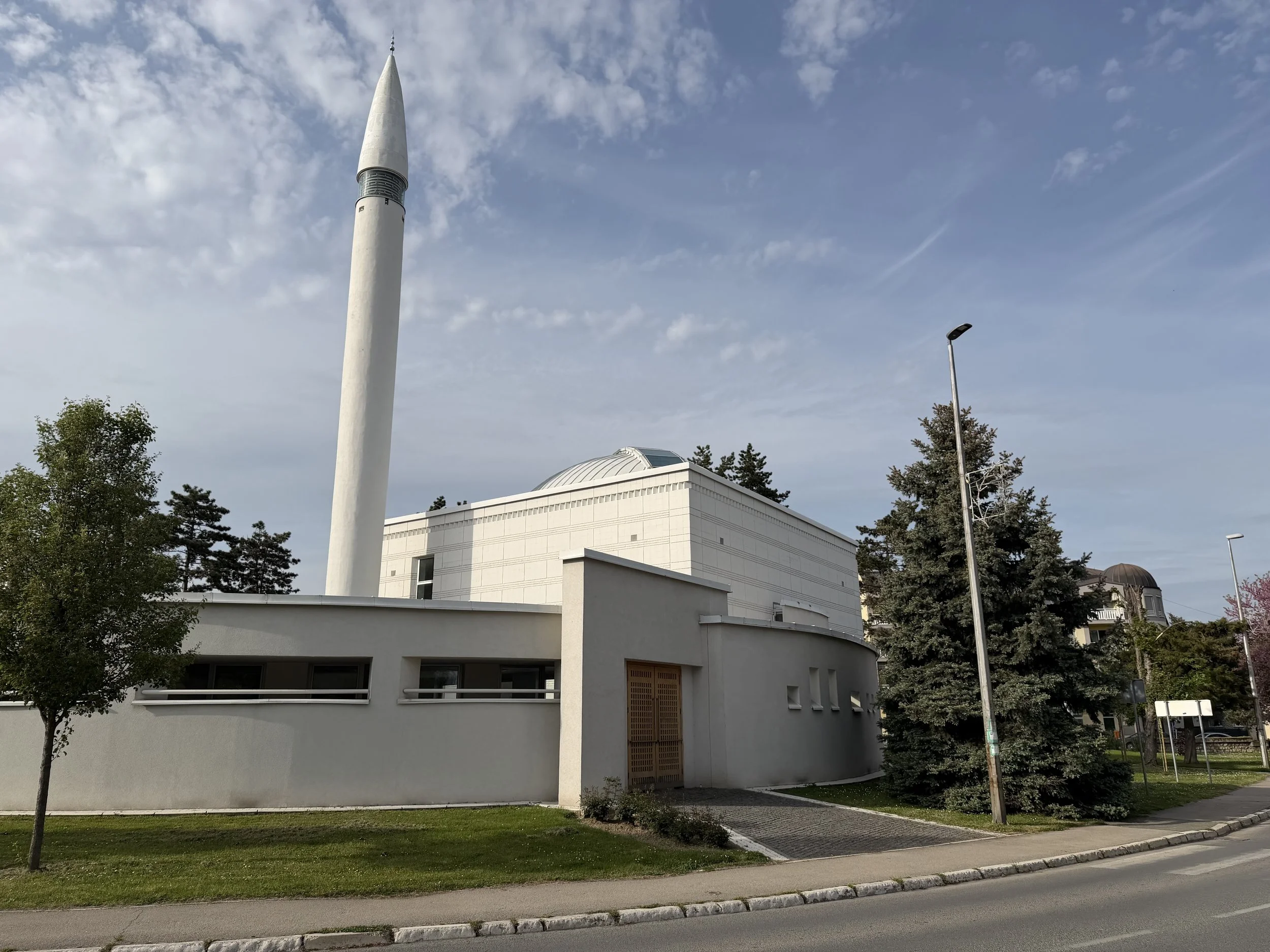
White Mosque in Brčko © John Bills
White Mosque (Bijela džamija)
I’m not sure where I stand regarding contemporary mosque design, but my opinion isn’t so important. What matters is that the White Mosque stands proud once more, secluded behind a courtyard that only adds to its mystique. The original mosque stood here for centuries, attracting the pious with an imposing minaret that stretched high into the sky, although its original name (Džedid Mosque) suggests it might not have been that old, džedid being the Arabic word for “new.” Thanks, Duolingo! The old new mosque was destroyed by the VRS in 1992, before being rebuilt in its contemporary style at the start of the 21st century. There are three entrances to the mosque, and the sleek minaret is visible from all around. Reisa Džemaludina Čauševića
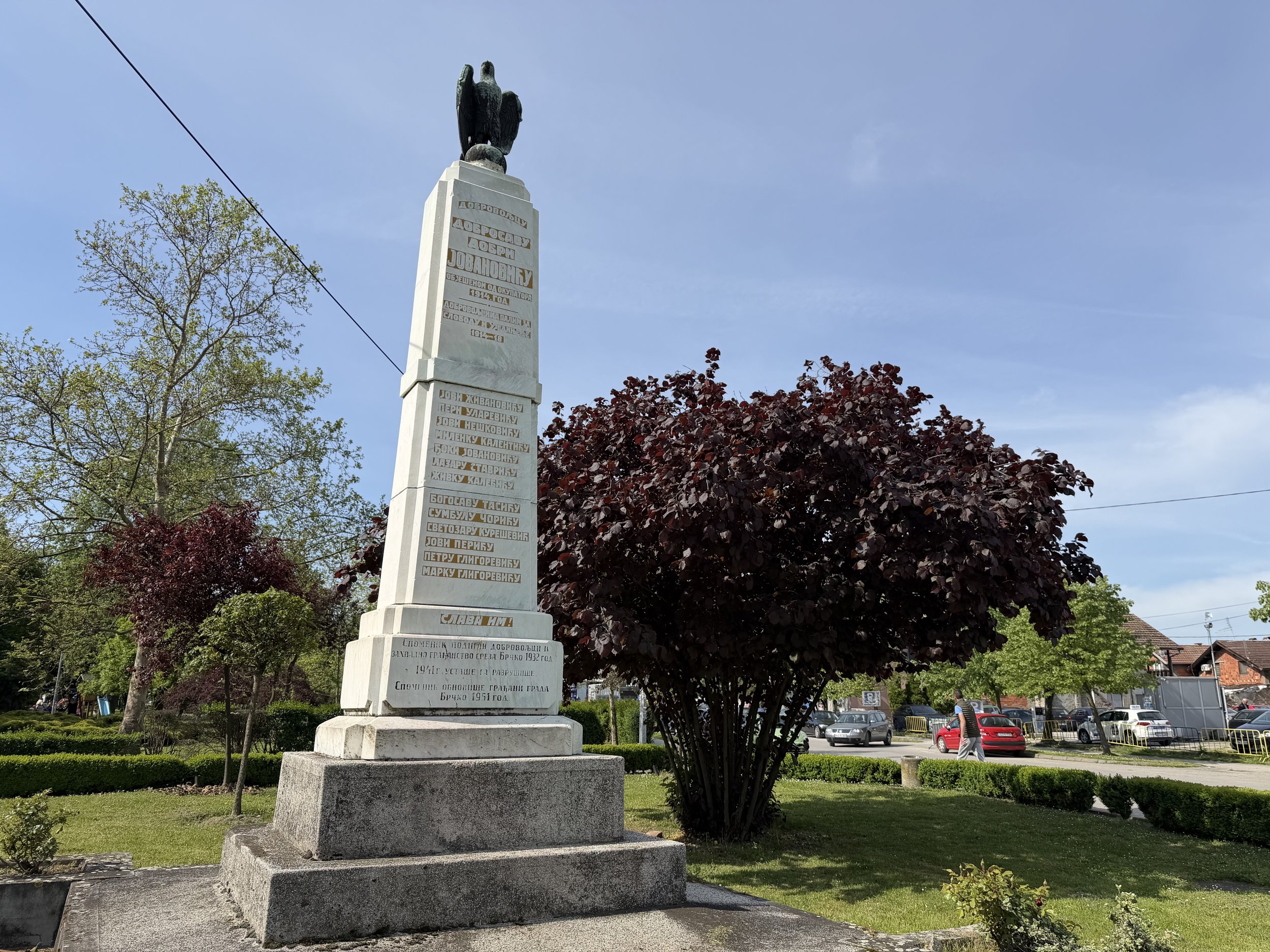
Dobrin Monument in Brčko © John Bills
Dobra’s Monument (Dobrin spomenik)
Located next to the City Park, this simple monument is dedicated to Dobroslav Jovanović, a lawyer-turned-freedom fighter from Novi Sad. The Jovanović story is a tumultuous one, a tale that winds from a respected life in Vojvodina to law studies in Zagreb before coming to a shuddering halt during World War I. Dobroslav was wounded and captured by the Austro-Hungarian Army before being hanged in Brčko’s park. His body was left swinging for days as a warning to other would-be resistance fighters. Grim, grim, grim. The monument also lists other fighters who died in the same struggle. Tina Ujevića 2
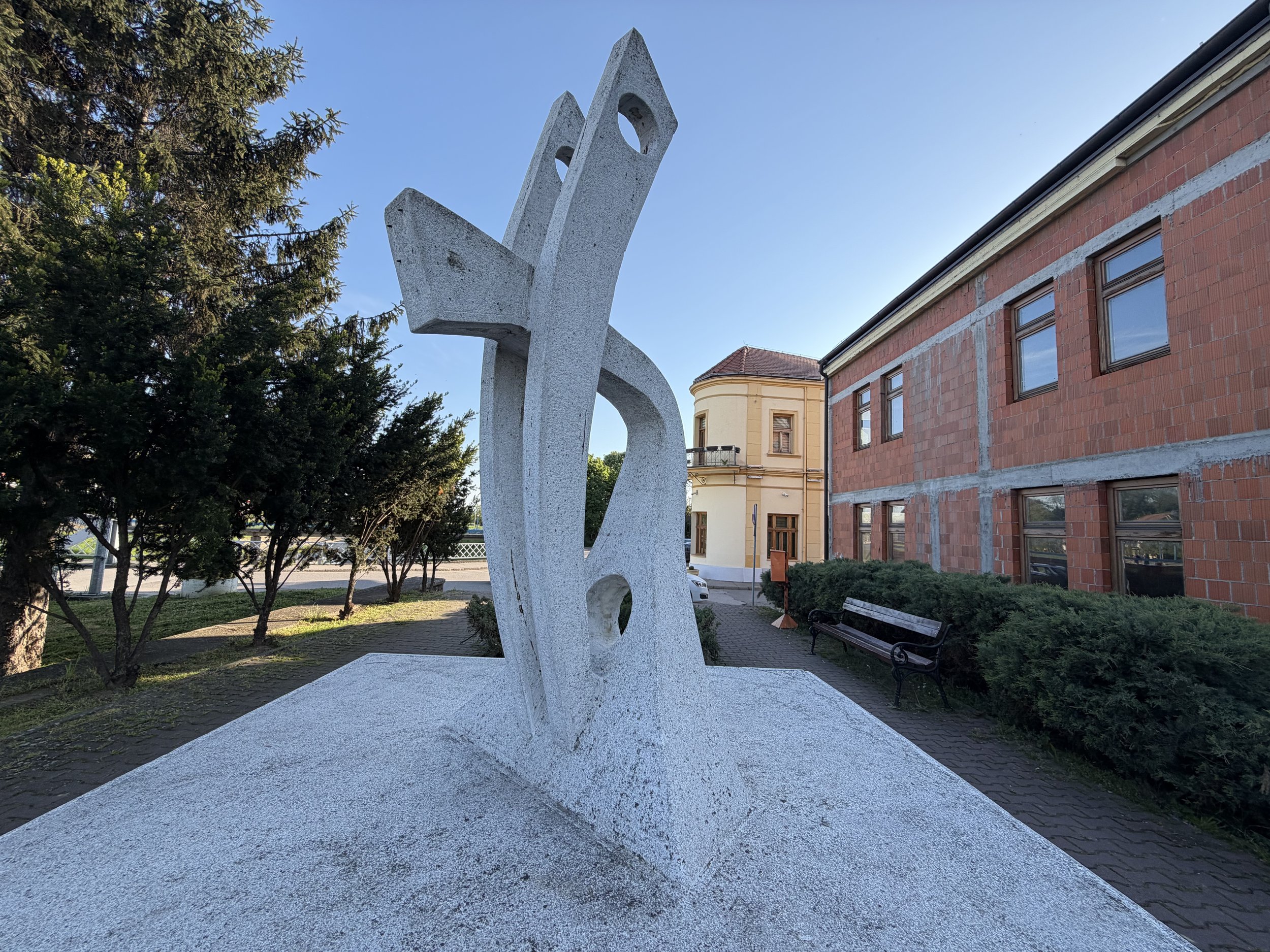
Tač Monument in Brčko © John Bill
Hasan Aganović Tač Monument (Spomenik Hasanu Aganoviću Butu)
A small monument somewhat obscured by greenery down by Islahijet, the two curved spires pay homage to Hasan Aganović Tač, a local Partisan leader during World War II. The monument was in a somewhat sorry state not so long ago, but has since been restored and now serves as a peaceful spot for contemplation, not far from the river. Islahijet
BREWS, BOOZE, AND BITES
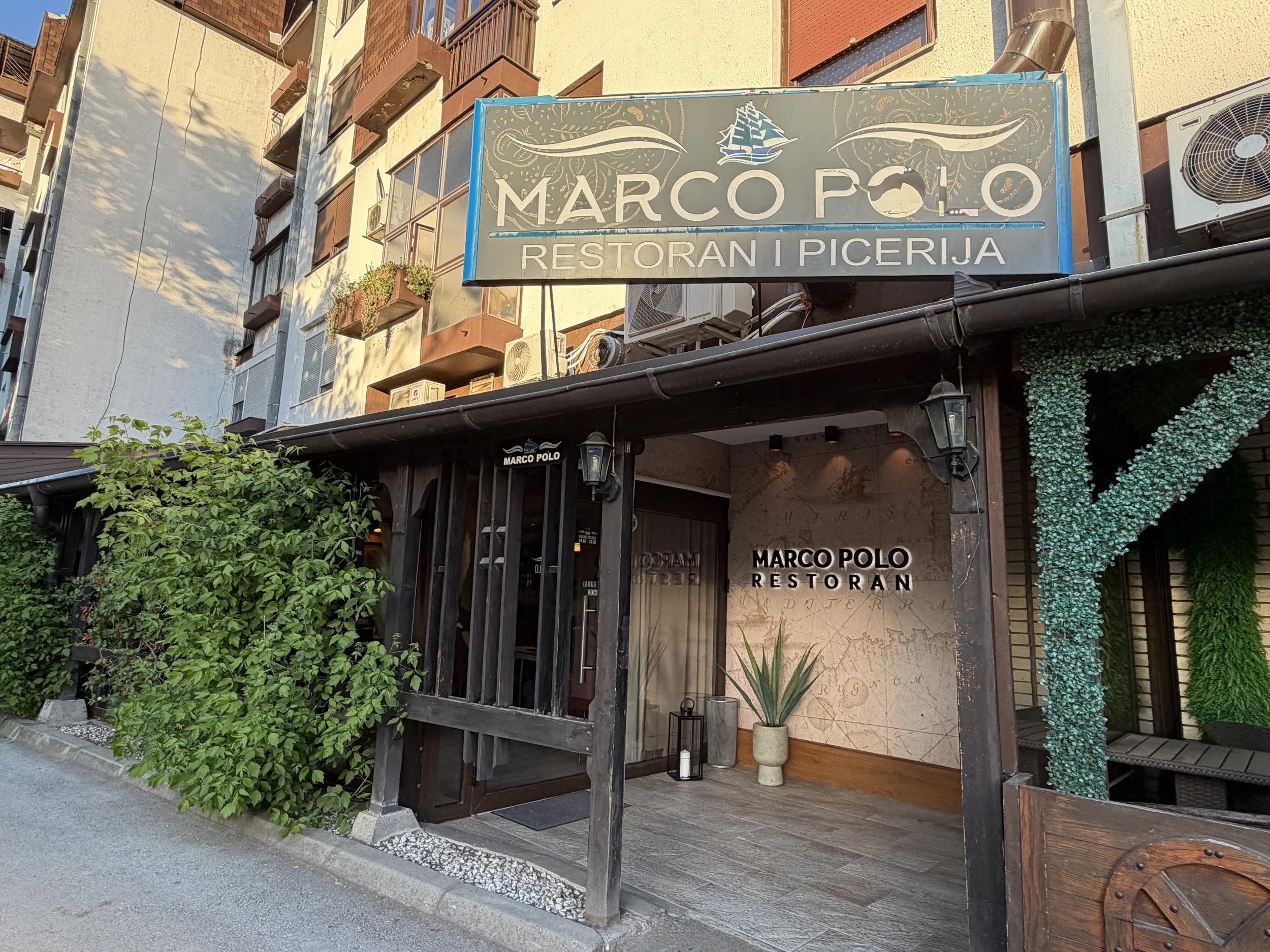
Exterior of Marco Polo in Brčko © John Bills
There must be something in the water, because the cafe scene in the northeast really is delightful. Brčko has plenty of coffee spots, and it all comes down to where you want to sit. The main pedestrian drag is cafe after cafe, and Elti (Bosne Srebrene 16, +387 49 490 095) and Caffe Bar Trg (Trg Mladih 1, +387 61 557 555) tick whatever boxes you may require. For a slightly more sophisticated option, Kafeterija (Bulevar mira 36) now has a branch in Brčko, and you can’t go wrong with the creatively named Coffee Shop (Bulevar mira 24, +387 991 846). If you’d prefer a view of the water, you can stop at either Ficibar (Islahijet, +387 49 206 020) or Check In (Islahijet, +387 62 578 228), both located in the picnic area. If you’re looking for something a little stronger, Pivnica Silver Wings (M14.1, +387 66 771 731) is excellent; I had a great evening here with a jiujitsu brown belt and a trainee priest. Laufer (Dobriše Cesarića 2, +387 66 602 384) is the town’s craft beer, and you can find it in a surprisingly large number of places. There is also a tap room at the brewery, but I’ve not seen it open. Tri Sobe (Bulevar mira 18, +387 66 210 490) is also decent, but it was playing “Blue” last time I was there, so make of that what you will.
On the food front, Marco Polo (Svetoga Save, +387 65 293 829) is generally my port of call when hunger strikes, with a menu covering the usual ground. For more down-to-earth grilled meats, Naša Priča (Bosna Srebrene 28, +387 66 832 000) is a delicious option. The food at Hotel Jelena (Bulevar mira 5, +387 49 232 850) is more than decent enough for a long lunch, while Monami (Islahijet 8, +387 49 490 220) is a fancy option on a boat. Nothing wrong with that, right? Divanhana (Svetozara Ćorovića 2, +387 61 946 649) is also a fabulous spot with views of the White Mosque. If you’re heading out of town, Bakarni Lonac (Plazulje bb, +387 49 305 040) is a super popular hotel and restaurant that serves massive portions of grilled meat in a rustic setting, some 7km outside of Brčko.
SLEEPING
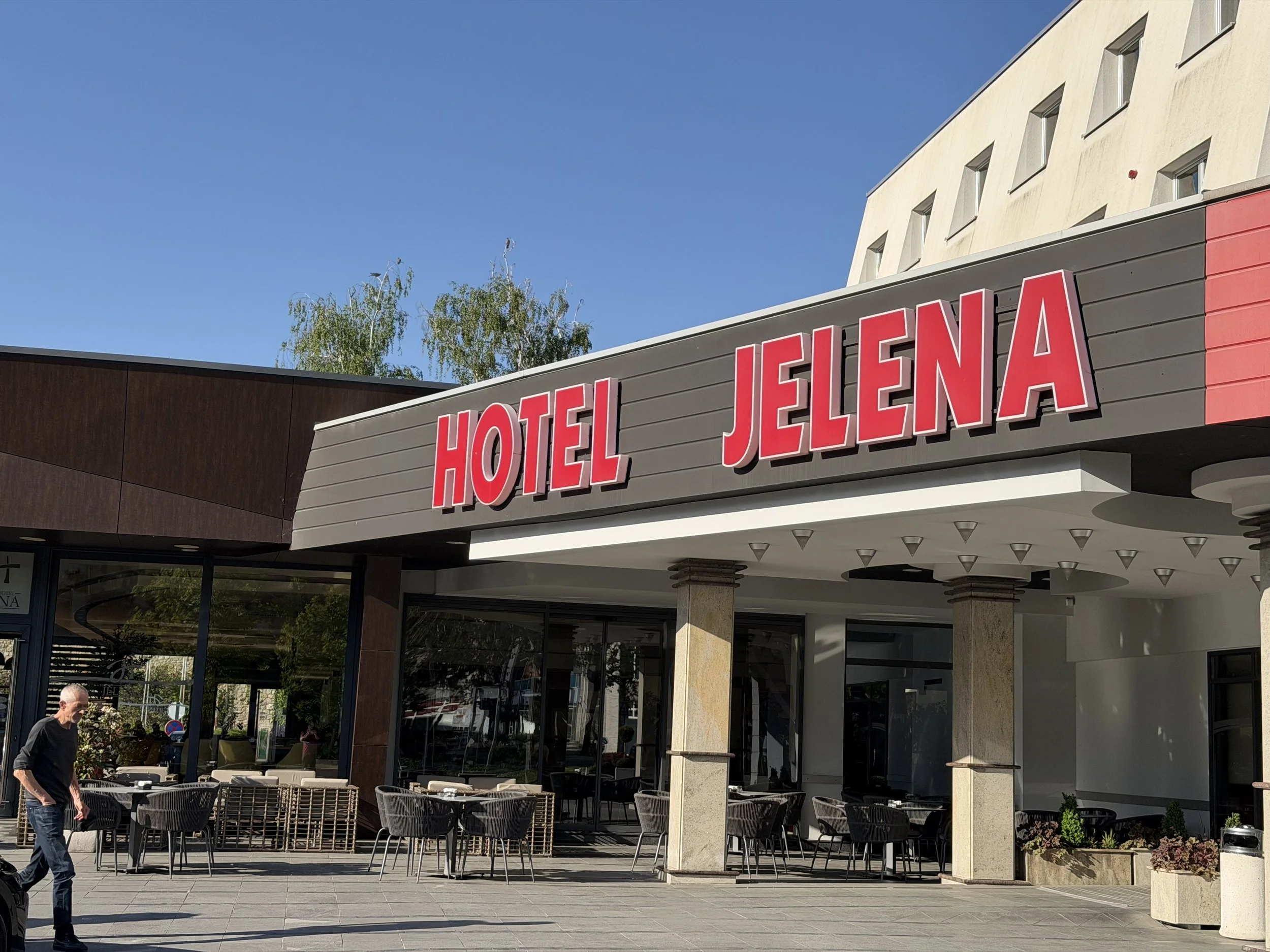
Hotel Jelena in Brčko © John Bills
There are a couple of standout accommodation options in the heart of Brčko. Hotel Jelena (Bulevar mira 5, +387 49 232 850) is the big name, with a fantastic hotel breakfast, excellent staff, a quality cafe/restaurant, and a location that cannot be beaten. Boutique Hotel Nea (Jovana Dučića 3, +387 49 216 099) is just around the corner, offering much of the same minus the restaurant part (the cafe is excellent, and the staff are tremendous). Outside the city, Bakarni Lonac (Plazulje bb, +387 49 305 040) is a decent spot with a fantastic restaurant.
READ MORE