PELAGIĆEVO
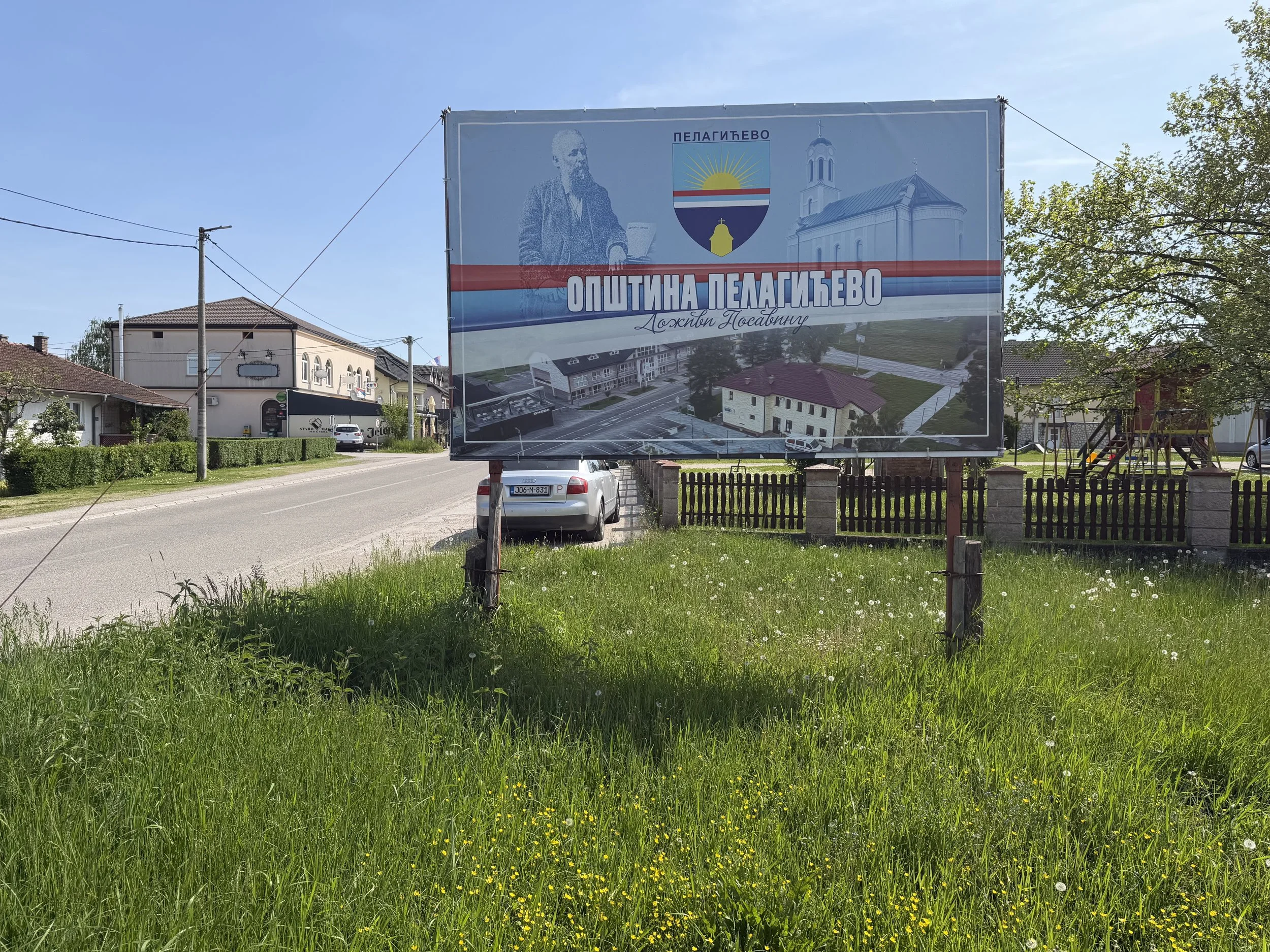
Welcome to Pelagićevo © John Bills
Small but perfectly formed (seriously, check out those freshly mowed lawns), Pelagićevo is a teeny-weeny municipality in the far northeast of the country. It was formed at the end of the most recent war when a chunk of the Gradačac municipality was sliced off and given to RS, as the powers-that-be tried to strike a balance across the country. That wasn’t the first change; this place was originally called Gornji Žabar (hence the Donji Žabar) before being renamed Pelagićevo in 1970. Why Pelagićevo? Well, that’ll be in honour of Vasilije Pelagić, the utopian socialist who was born here back in 1833. Today, Pelagićevo is in a strange sort of limbo; the municipality covers a huge amount of ground, but its population remains small (around 7,500) and poor. The area around Pelagićevo is stunning, and that lake is some hell of a place to fish.
TRANSPORT
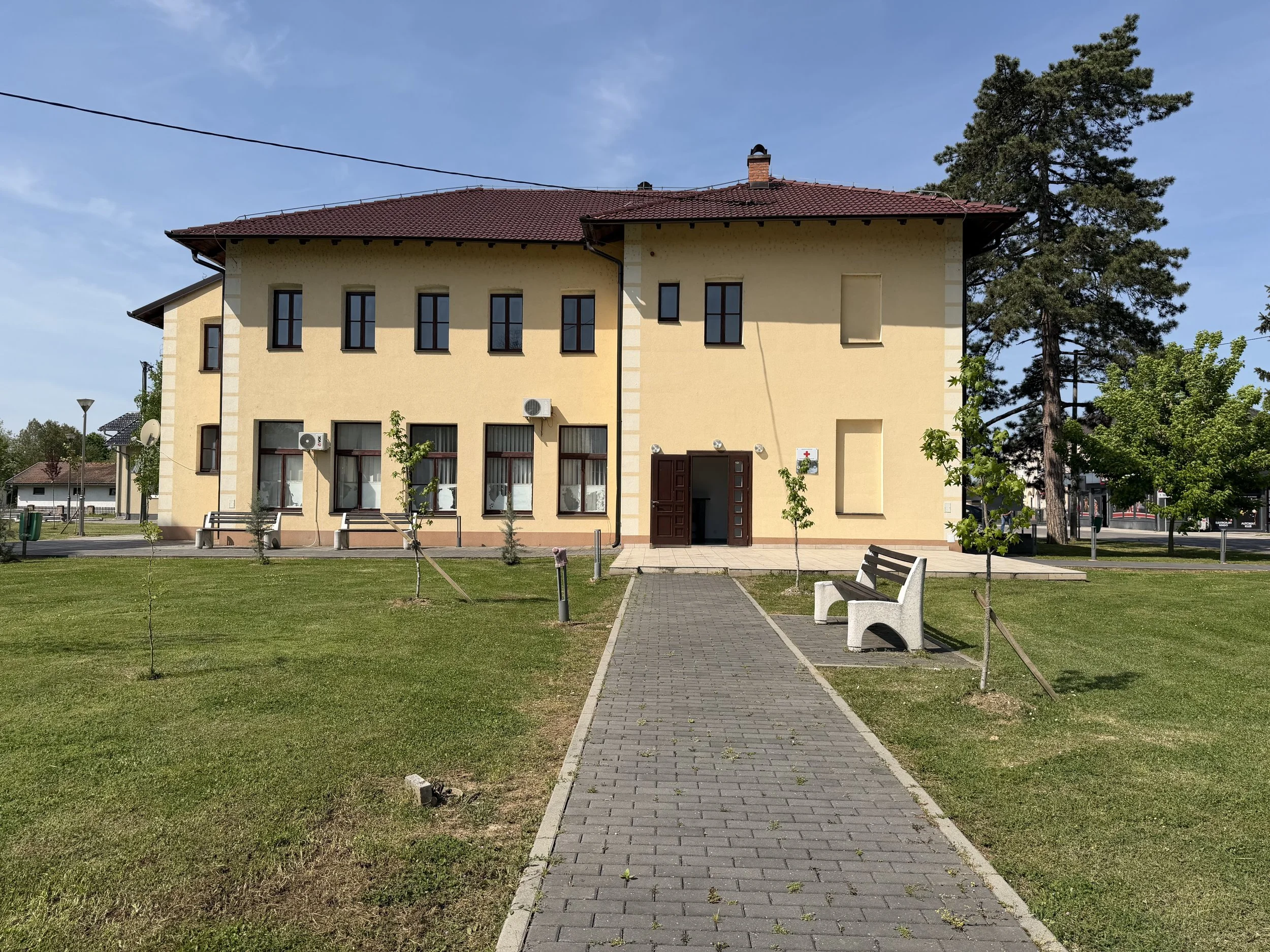
Municipality building in Pelagićevo © John Bills
Unfortunately (for me), Pelagićevo isn’t a bus station sort of place. This is a village, after all, so unless you’re commanding your own set of wheels, you’ll struggle to get here. I have definitely been on a bus that went through the village (I’m pretty sure it was a bus between Orašje and Tuzla), but I can’t be sure. There is a school bus that runs between Brčko and Pelagićevo, departing from Brčko at 7 a.m. Pelagićevo is a 25-minute drive northwest of Brčko; head north towards the Lončari bus station, then southwest towards Pelagićevo. Gradačac is 20 minutes farther west, a relatively simple 18km drive.
WHAT TO SEE AND DO
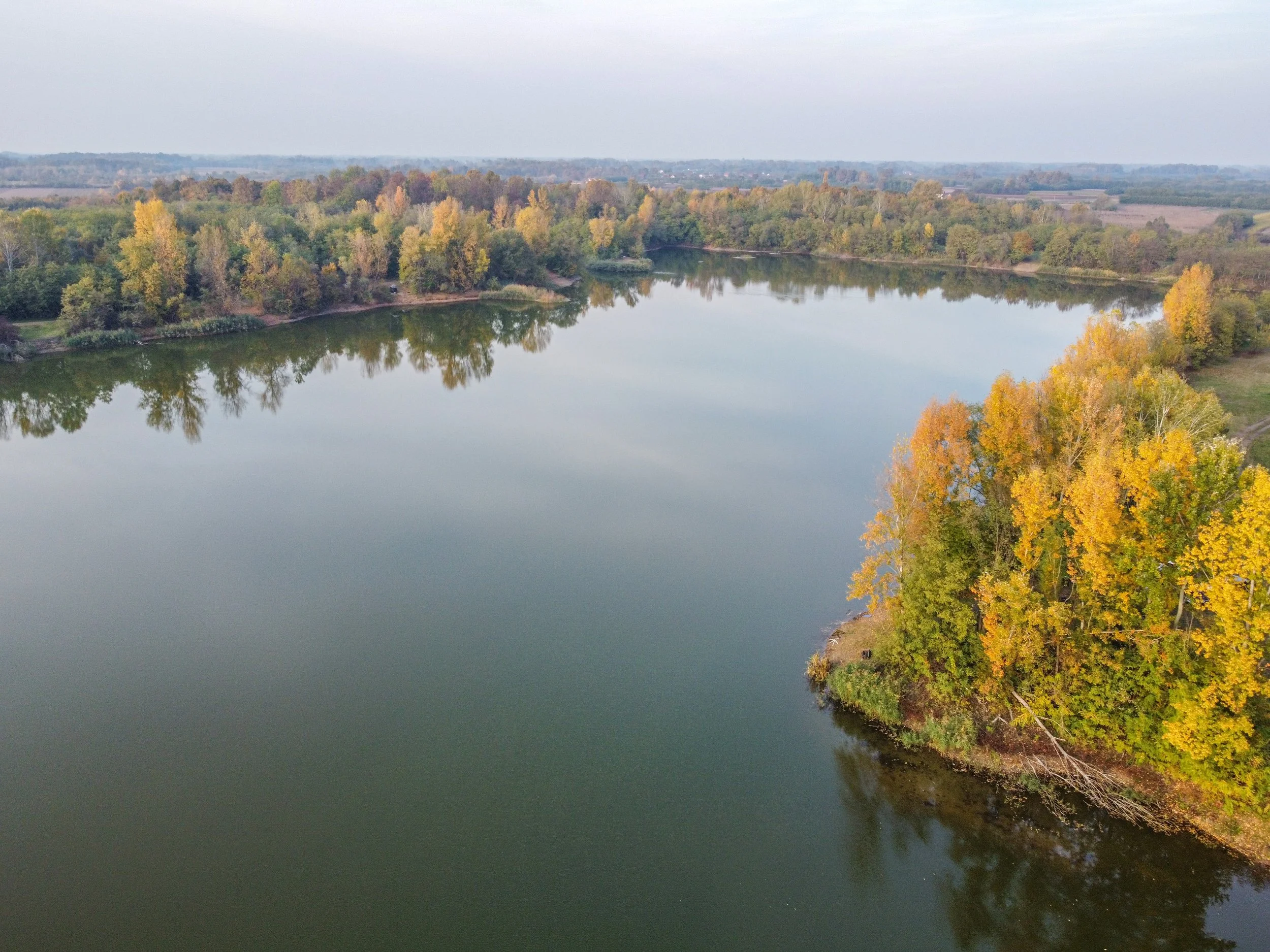
Lake Pelagićevo © Lake Pelagićevo.com
Lake Pelagićevo
Located just 2 miles north of town, Lake Pelagićevo has a long and storied history of mega catches. You know, the sort of fishing that eventually finds its way onto TV and Tinder. Fisherfolk from all over the continent head here for the annual Carp Cup, but there is more to this place than casting a rod and waiting for a bite (I assume that’s how people fish). The artificial lake was created in the 1960s, with carp introduced in 1967. Wait, maybe it really is all about fishing? Well, so be it. If you’re hoping to strike it lucky in the waters, head to the website and check out the rules before contacting the association and heading here to cast that line. You can also camp here, which sounds gorgeous (if you’re into camping).
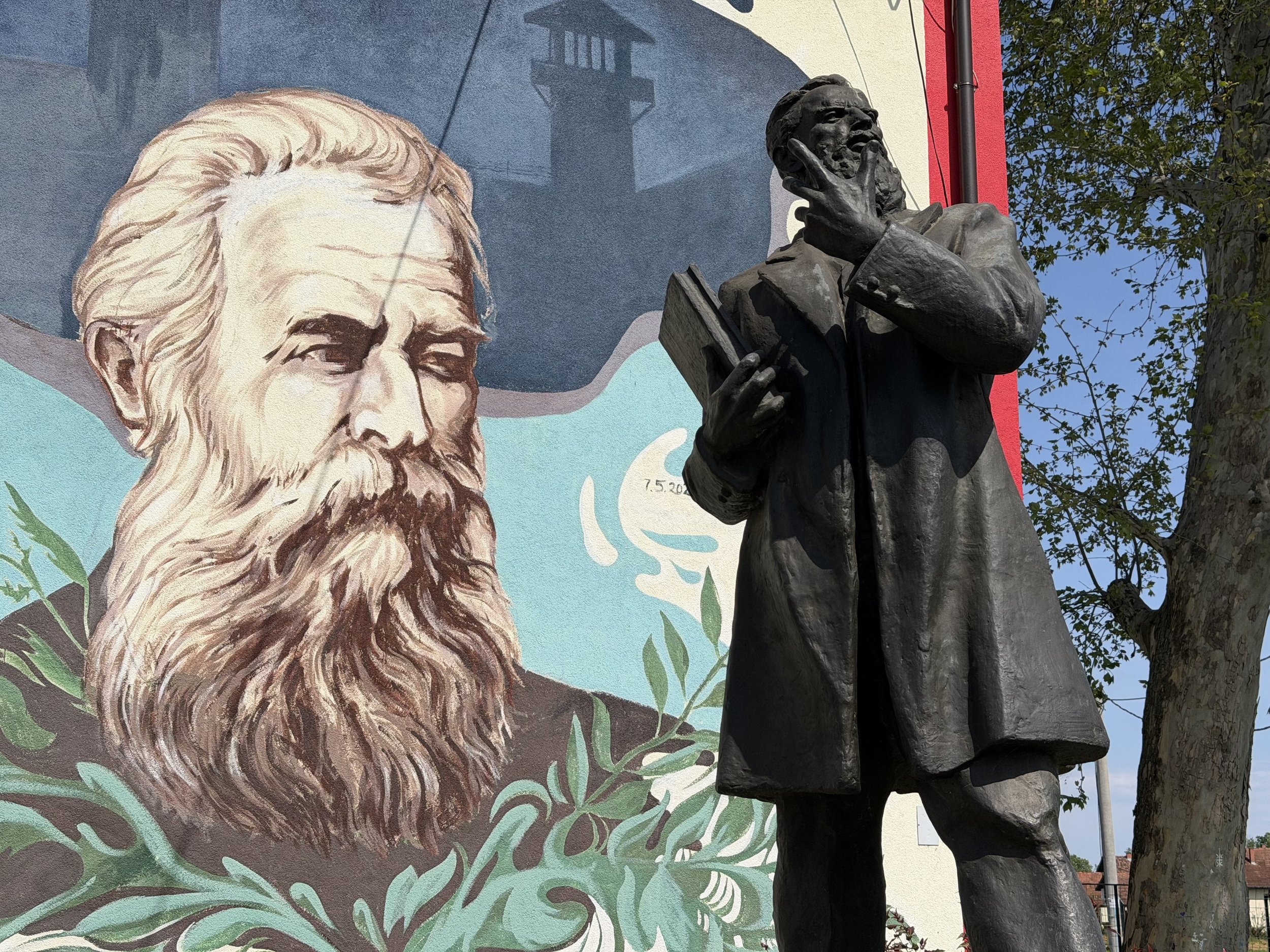
Pelagić statue in Pelagićevo © John Bills
Vaso Pelagić Statue
Standing proudly in front of the school that bears his name, this statue of Vaso Pelagić depicts the 19th-century writer, physician, and rabble-rouser in full flow. The man stands with a book in one hand and the other out in front, aching to accentuate whatever point is being made, while a large mural of the man covers the wall behind him. Without repeating myself, Pelagićevo takes its name from this chap, so it shouldn’t be a major shock to see the love. Pelagić was a fascinating chap, one of the first theorists of physical education in the region and a significant figure in the long story of utopian socialism in these parts. The statue was erected in 1969, at least according to the inscription.
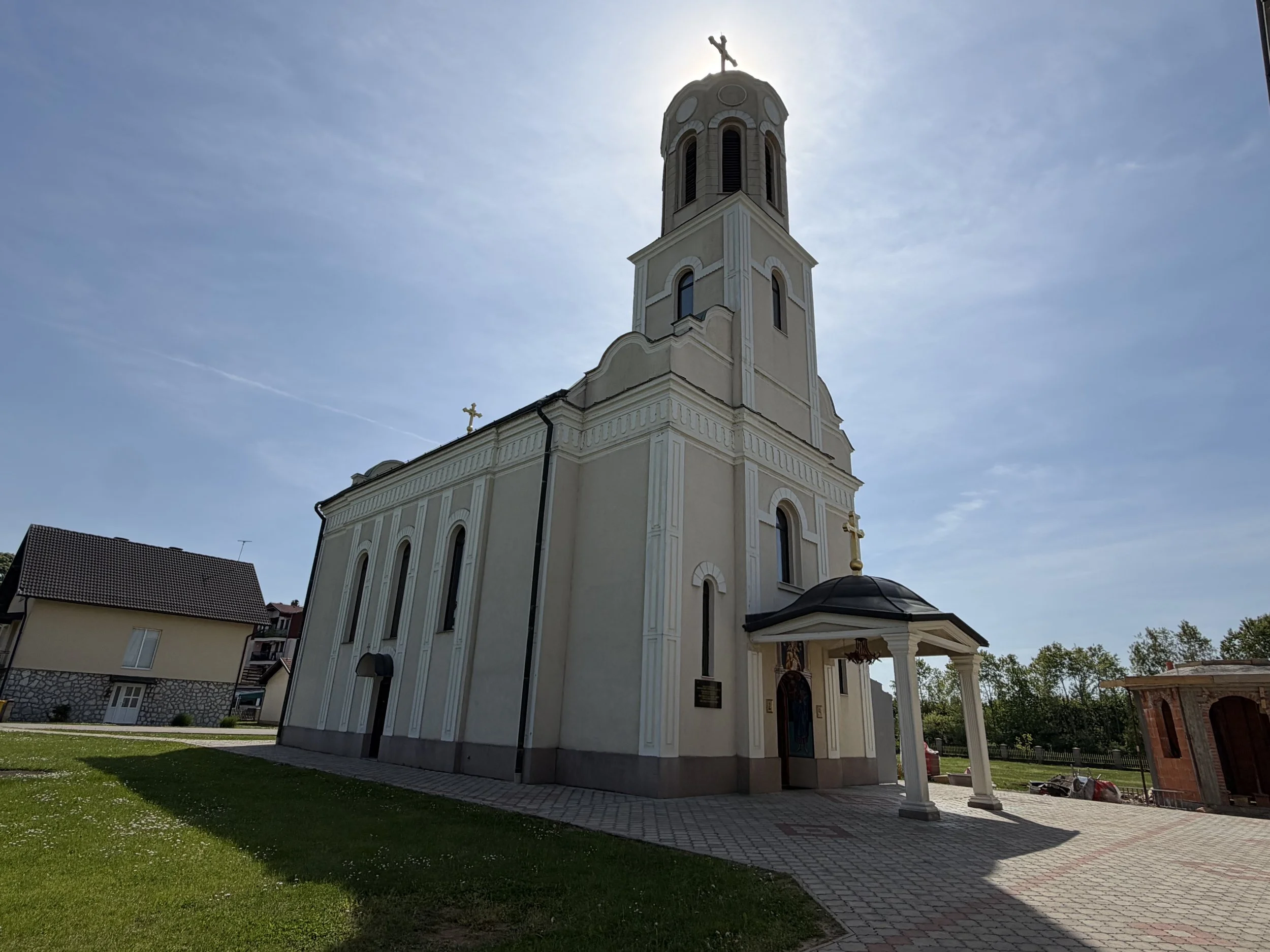
Orthodox Church in Pelagićevo © John Bills
Church of the Holy Prophet Elijah (Hram Svetog proroka Ilije)
The dominant structure in the centre of Pelagićevo is the Church of the Holy Prophet Elijah, a sumptuous building constructed at the start of the 20th century. It has seen plenty over the decades and was significantly damaged in the most recent war, leading to a major renovation that was completed in 2005. The frescoes inside cover the walls from ceiling to floor, telling the story of the Orthodox faith in a flurry of recognisable characters and deep shades of blue.
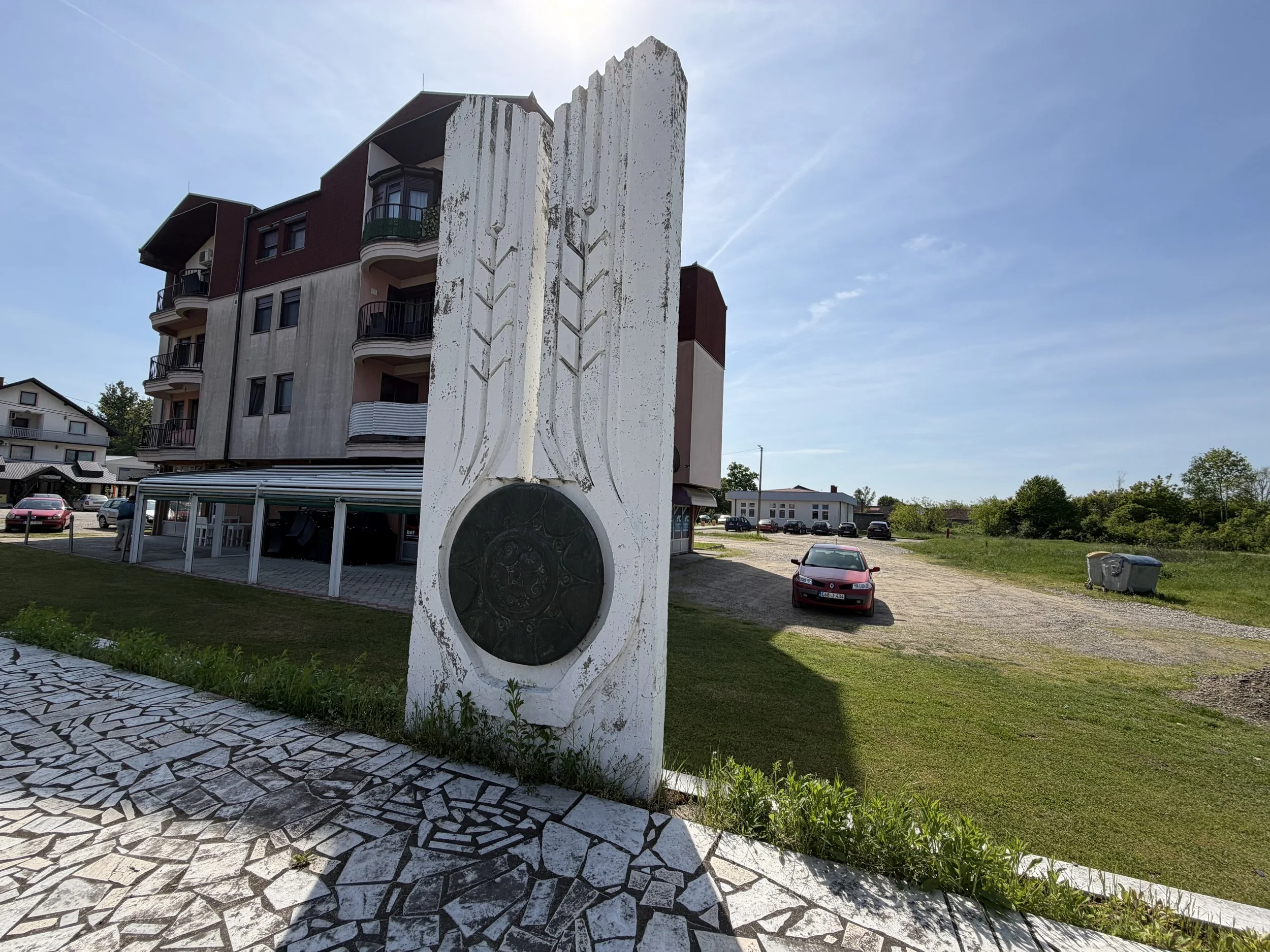
World War II monument in Pelagićevo © John Bills
World War II Monument
I couldn’t dig up much information about this monument in the centre of Pelagićevo, but there is enough there to decipher its homage. A small plaque is dedicated to Milivoje Stojčević Brzina, a farmer-turned-company commissar from Pelagićevo who died in World War II at the age of just 32. Behind the plaque is a medium-sized white statue that loosely resembles a pair of wings, with a black circle at its base. The statue isn’t particularly well looked after, but if anyone has any extra information, that would be excellent.
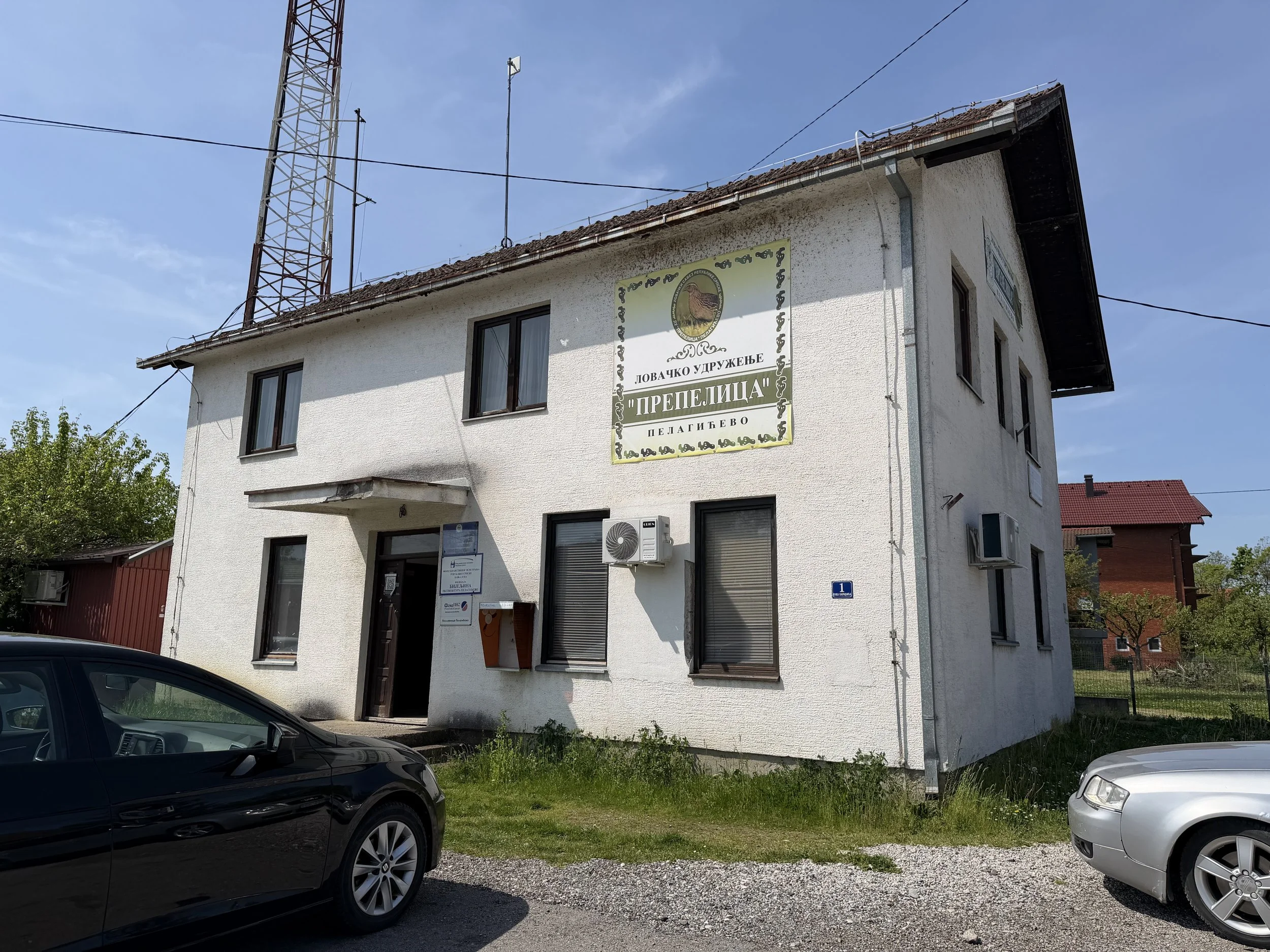
Prepelica Hunting Association in Pelagićevo © John Bills
Prepelica Hunting Association (Lovačko udruženje Prepelica)
Pelagićevo is included within the Modriča hunting region, and prospective marauders can expect to find foxes, wild cats, rabbits, geese, ducks, pheasants, wild boars, deer, and quails in these parts. The latter gives its name to the central hunting association in Pelagićevo (prepelica being the local word for “quail”), and anyone interested in that sort of thing should contact the office and go from there. I’m not much help, unfortunately. Vuka Karadžića 3, luprepelica.pelagicevo@gmail.com
BREWS, BOOZE, AND BITES
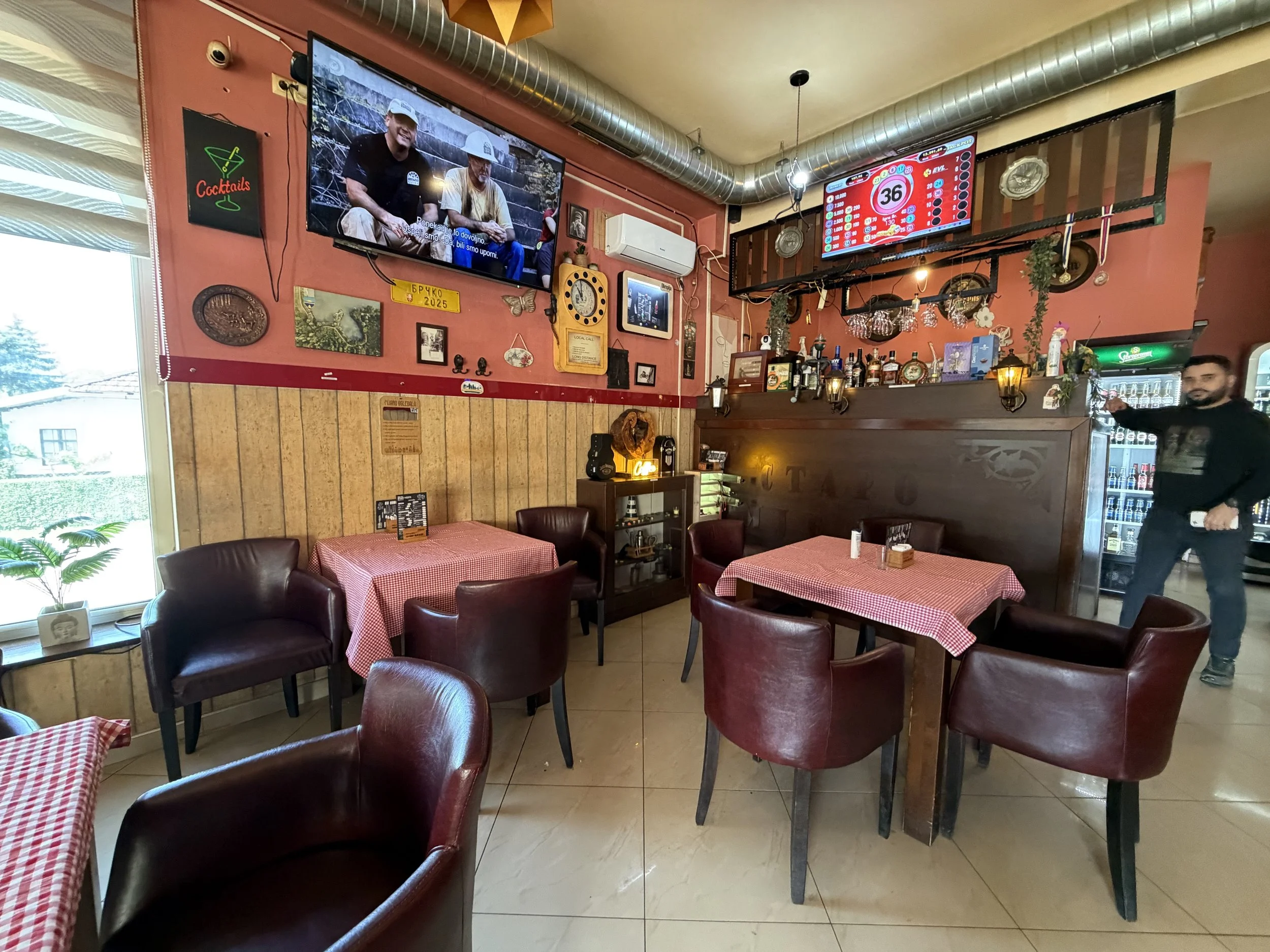
Interior of Staro Mjesto in Pelagićevo © John Bills
If you’re looking for a cup of coffee or something stronger in Pelagićevo, Staro Mjesto (Vuka Karadžića 24, +387 54 410 099) is your only real option. Nothing to complain about there, as the setting is charming, with a nice view of the church across the road and a homely interior if you’d prefer to sit inside. The cafe also does a solid line in grilled food, if your tummy is rumbling. Etno restoran Zelengaj (Blaževac, +387 62 141 408) is located 8km or so south of the centre, and it looks like a beautiful place for some grilled meat.
SLEEPING
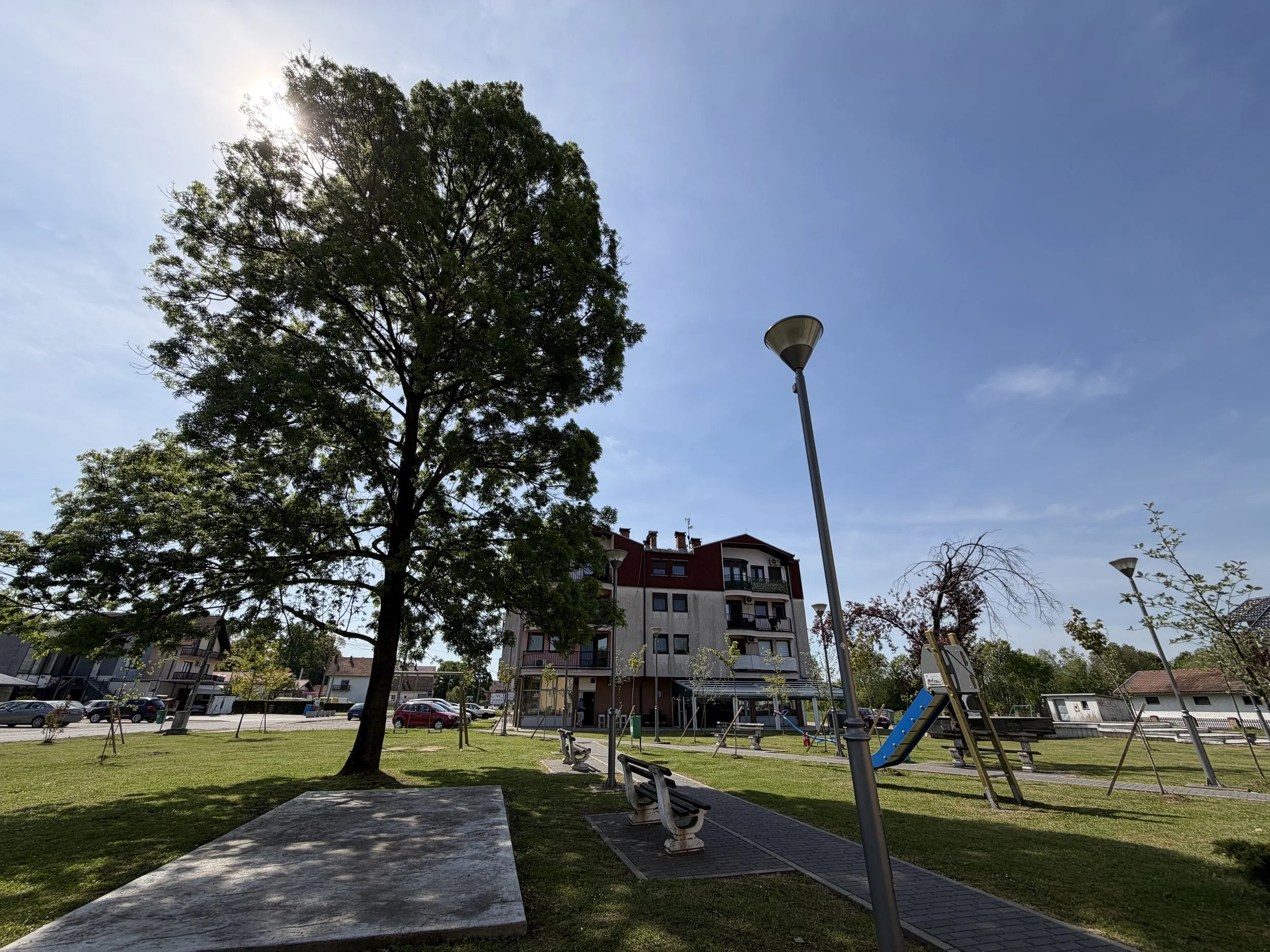
A pleasant tree in Pelagićevo © John Bills
As far as I’m aware, there are no accommodation options in Pelagićevo, although the Lovac Motel and Restoran is just a short drive away on the municipal border with Donji Žabar. There might be some informal options in and around the village, but I’ve not been told about them. Yes, that renders this part a little useless; I can only apologise.