ŠIPOVO
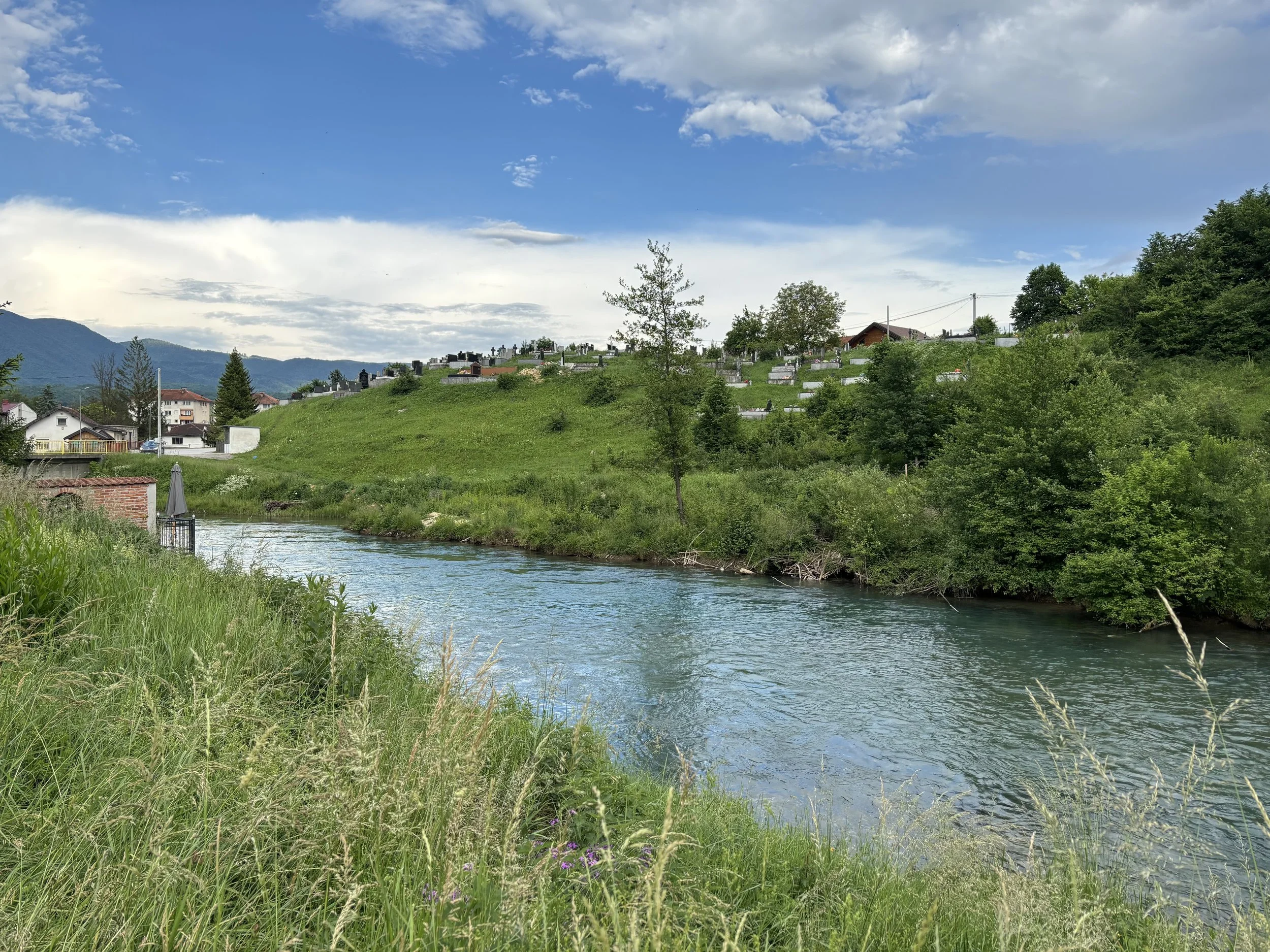
The Pliva River in Šipovo © John Bills
Without making a grand statement (not my style, I know), Šipovo is a microcosm of everything I love about Bosnia and Herzegovina. Located in the very south of the Bosnian Krajina region in the west of the country, the municipality sits in a truly lush valley that deserves that overused “verdant” word, a place where rivers flow with confidence through dense forest, creating some of the most spectacular scenery in the country. The most spectacular scenery in the country? I don’t want to jump into the waters of hyperbole, but this could be it.
Somewhere within it all is a normal town, home to around 11,000 people, but even there, nature remains top dog. The town itself has the usual run of cafes, restaurants, admin, faith, and practicalities, but it is framed in an achingly gorgeous manner by sweeping greenery. The Pliva River dominates, and nobody should have any problem with that. If you want to embrace the joys of nature in Bosnia and Herzegovina, Šipovo should be your first stop.
TRANSPORT
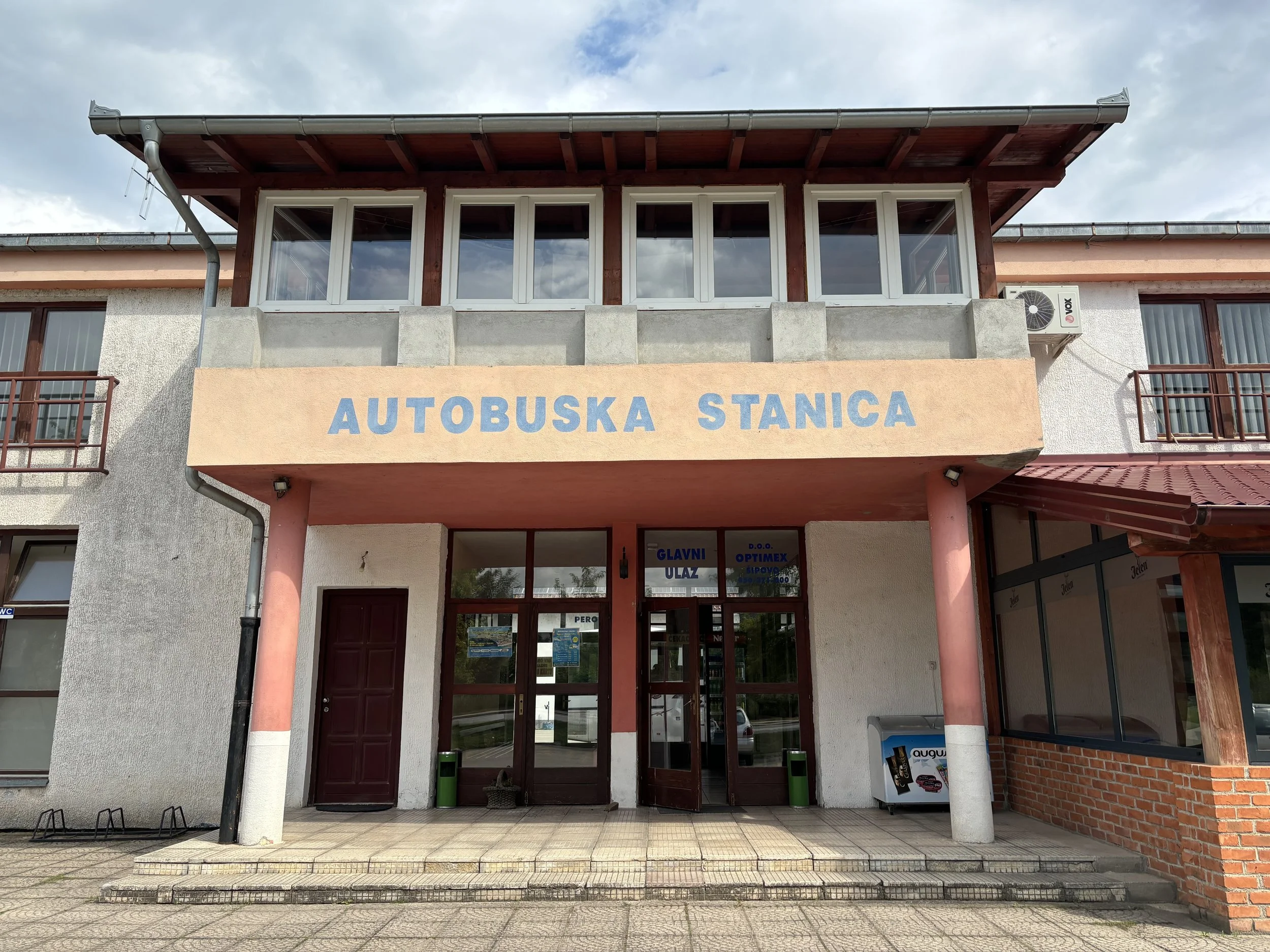
Šipovo bus station © John Bills
A friendly little station in the town centre, Šipovo bus station (Karađorđeva, +387 50 371 000) ticks the usual boxes without being particularly revolutionary. There is a cafe if you have time for a coffee, although the better cafes in town are just a five-minute or so walk away. Šipovo has connections to Banja Luka (through Mrkonjić Grad) throughout the day, and also a daily connection to Belgrade. However, to make the most of your time in Šipovo, you’ll need a car.
WHAT TO SEE AND DO
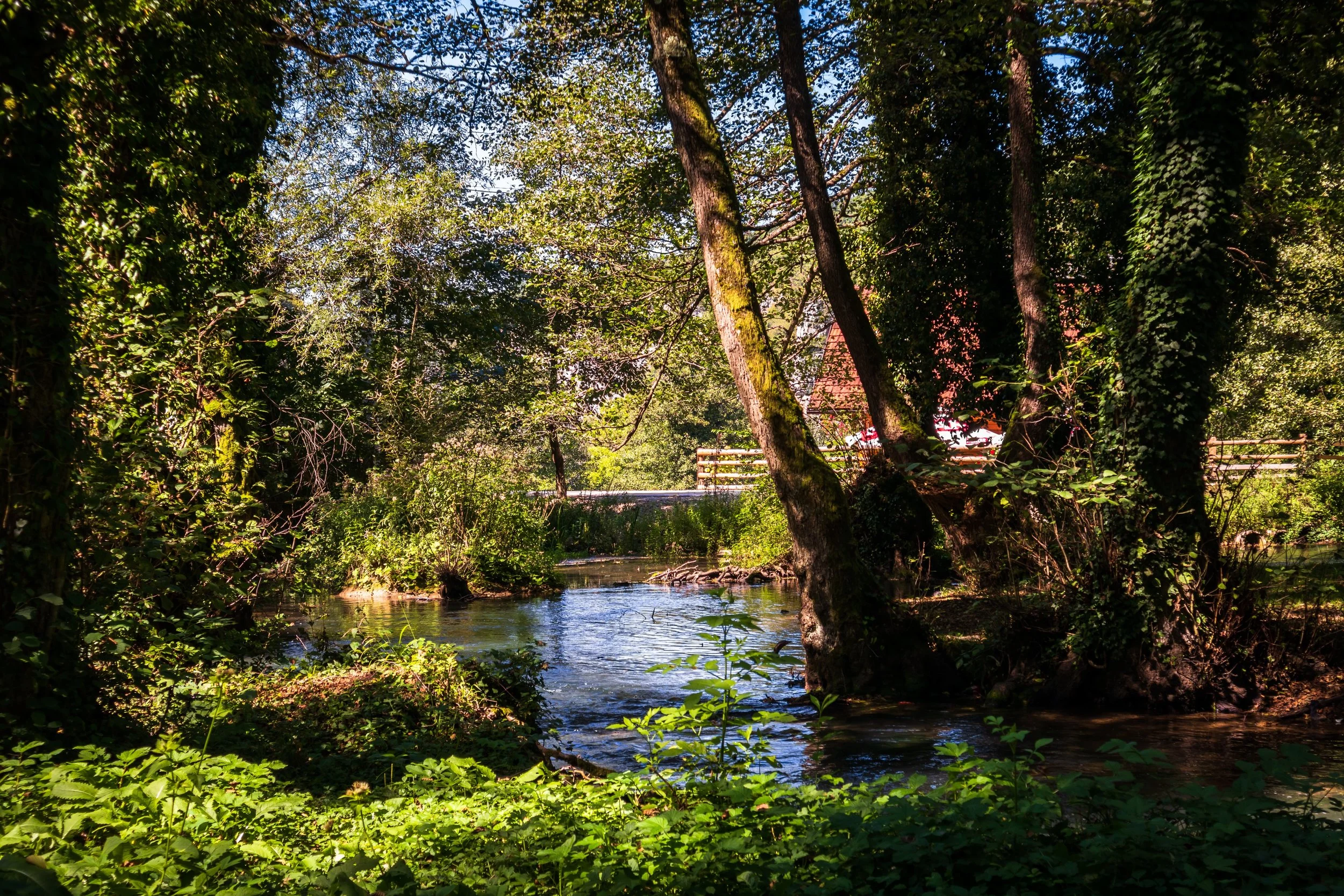
Janjske Otoke © DMZ001 // Shutterstock
Janjske Otoke
You might want to sit down, because I’m about to make a seriously big claim. In the process of writing these guides for the municipalities of Bosnia and Herzegovina, I have no idea how many magical attractions and locations will have been covered, but this is my favourite. Yes, that is right. Janjske Otoke (Janj’s Islands) is my favourite place in Bosnia and Herzegovina. I’m basing that on a single visit back in February 2019, but I’m sticking with it. Janjske Otoke is where the Janj River pauses to take a deep breath, creating a landscape of small islands separated by cascades, streams, and other shimmering natural beauty. It is a miraculous place, one that reminds us that there is more to existence than the constant push for something that might resemble progress or at least be interpreted as such. Janjske Otoke is the essence of existence brought to the surface. There are small cabins available for rent and no shortage of food and drink to keep the conversation flowing. To get here, drive 5 miles south of Šipovo (through the Mujdžići villages) and look for the signs.
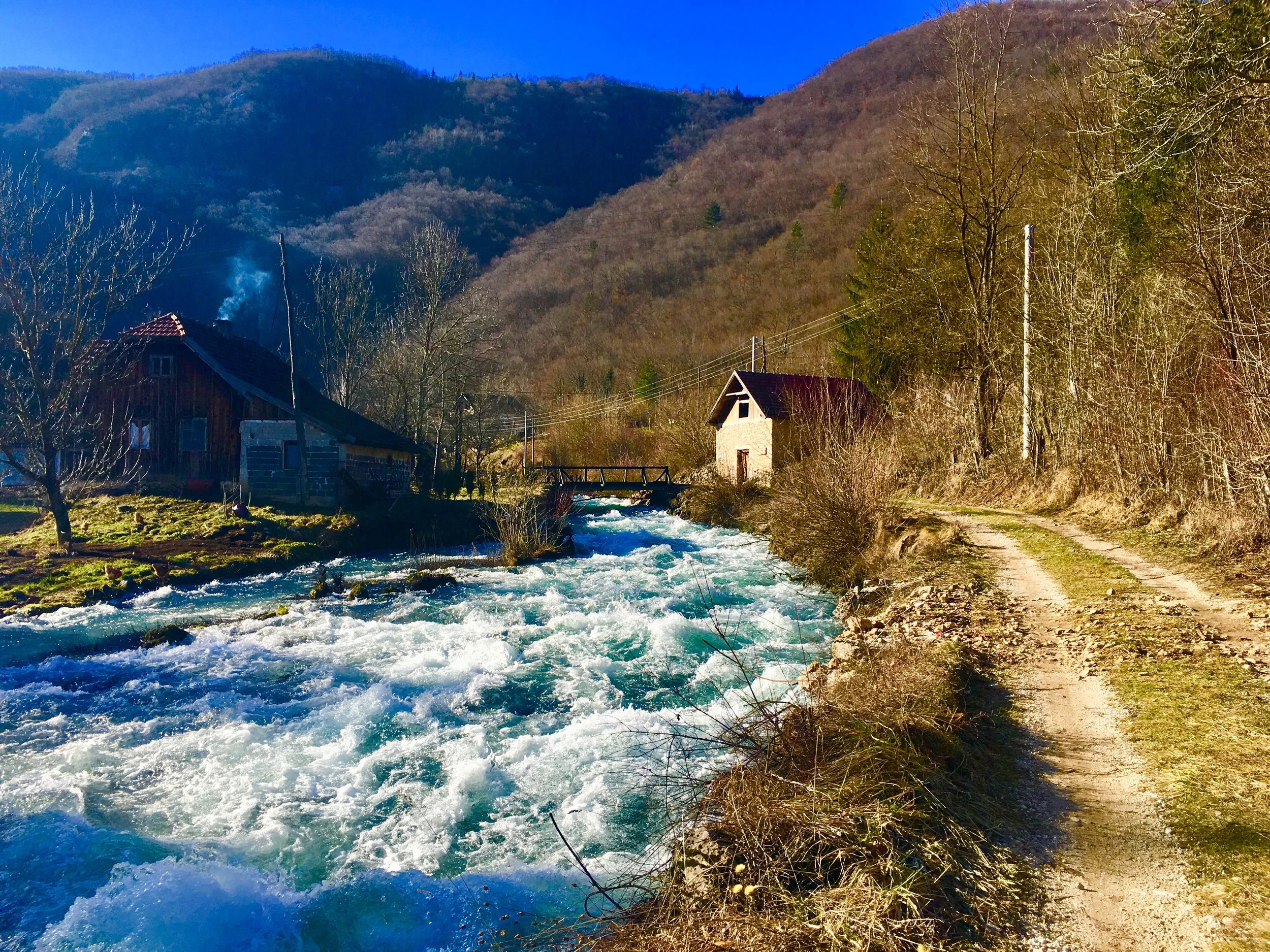
Pliva River © John Bills
Pliva Spring (Izvori Plive)
This Pliva, what a spectacular body of water. Located around 8 kilometres southwest of town beyond Pljeva and Dragnić, the springs of the Pliva River are the shining jewel of the area and just about as idyllic as it gets. This isn’t just surface-level beauty, either; it is considered one of the largest sources of drinking water in Europe, maintaining a constant temperature of 8 degrees Celsius and attracting thinkers and explorers alike. There is a lot of activity in the village around the springs, with mills, homesteads, fishing, hikes, and more, but it is the serenity that wins out. As it should, obviously.
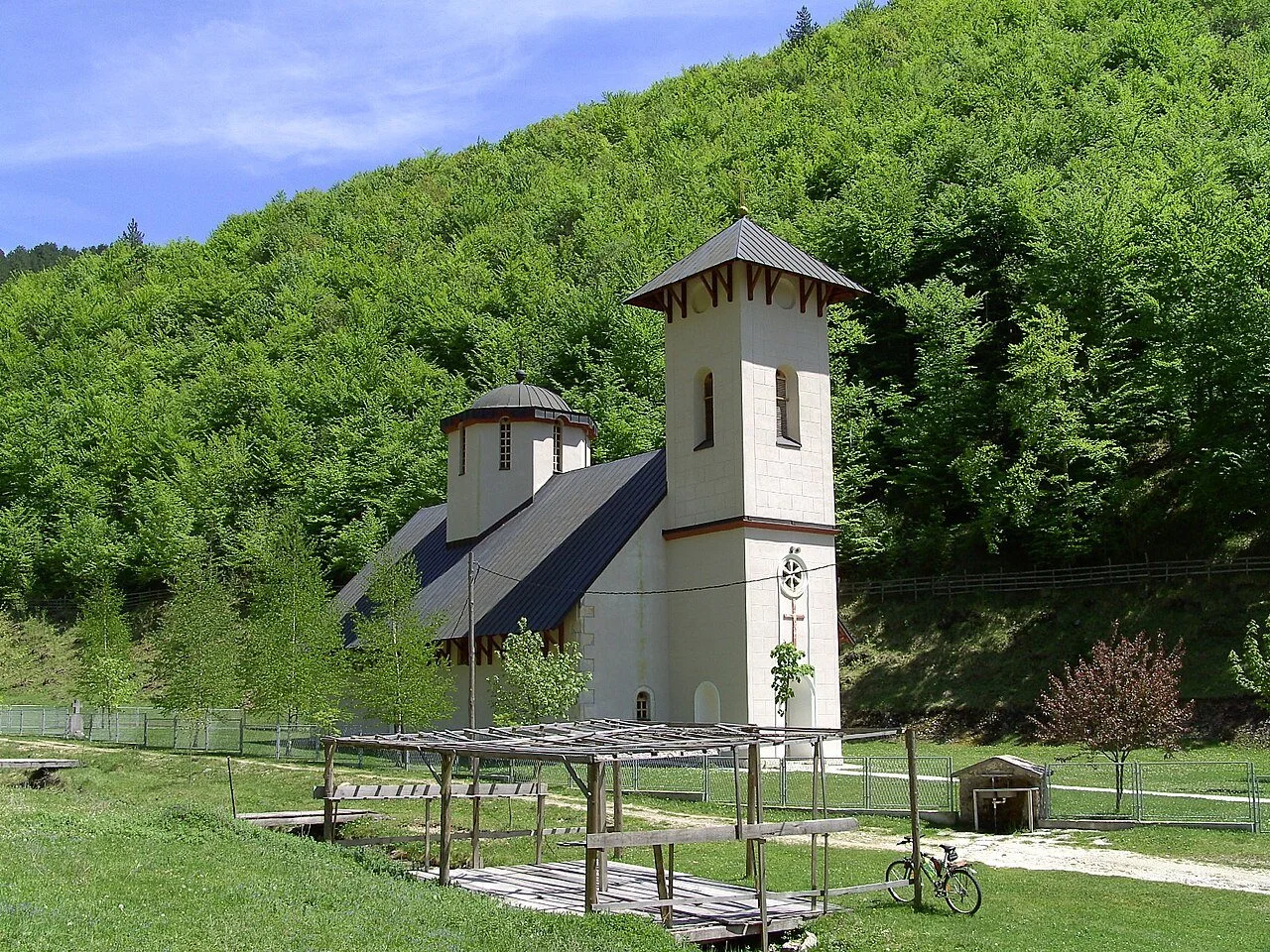
Glogovac Monastery © WikiMedia Commons
Glogovac Monastery (Manastir Glogovac)
Located about 12 miles southeast of Šipovo, Glogovac Monastery goes about its business in the relative safety afforded by the surrounding hills. Constructed in the late 19th century (on the proviso that the bells would not be audible), the monastery was rebuilt in the footsteps of a 14th-century structure that had long since been destroyed, and further violence was to be wrought on the new building. It was attacked and obliterated by the Ustaše in World War II, lying in ruins until rising once more at the start of the 21st century. Despite its tumultuous history, Glogovac is a picture of peace in the modern age. Natpolje, +387 50 483 271
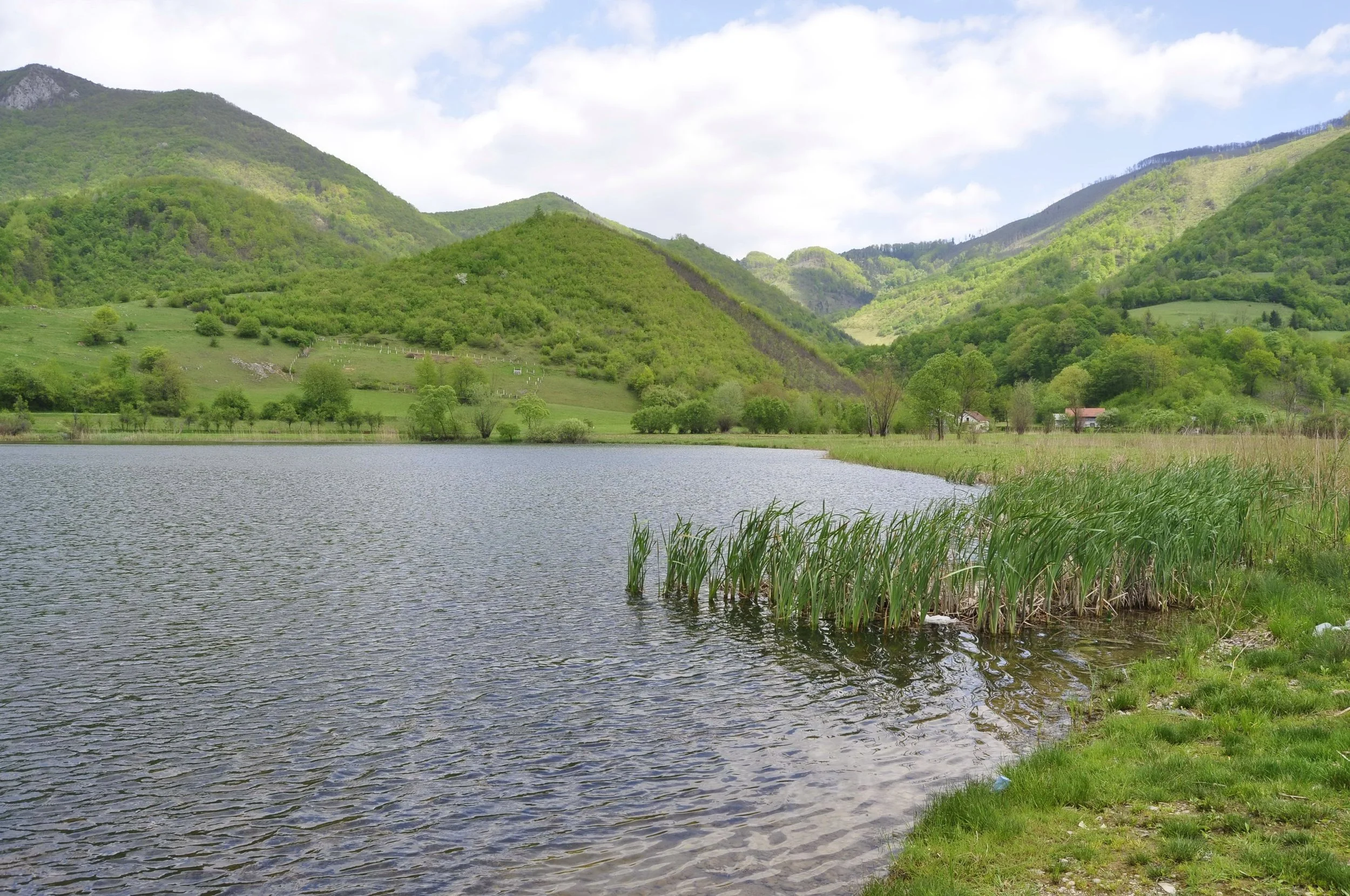
Lake Dol © Nenad Basic // Shutterstock
Lake Đol (Jezero Đol)
Closer to Jezero but officially within the boundaries of the Šipovo municipality, Lake Đol comprises two beautiful bodies of water (Velikii and Mali Đol) that represent the best of Bosnia’s nature. When the weather is good, folks flock to the crystal-clear waters of the lakes for everything from bathing to swimming with plenty of picnicking, fishing (carp and perch, for the most part), and strolling for good measure. The lakes are surrounded by achingly beautiful greenery, perfect for hiking and romantic strolling, depending on your preferred pace. Flippin’ gorgeous, and let’s keep it that way; don’t forget to clean up after your picnic.
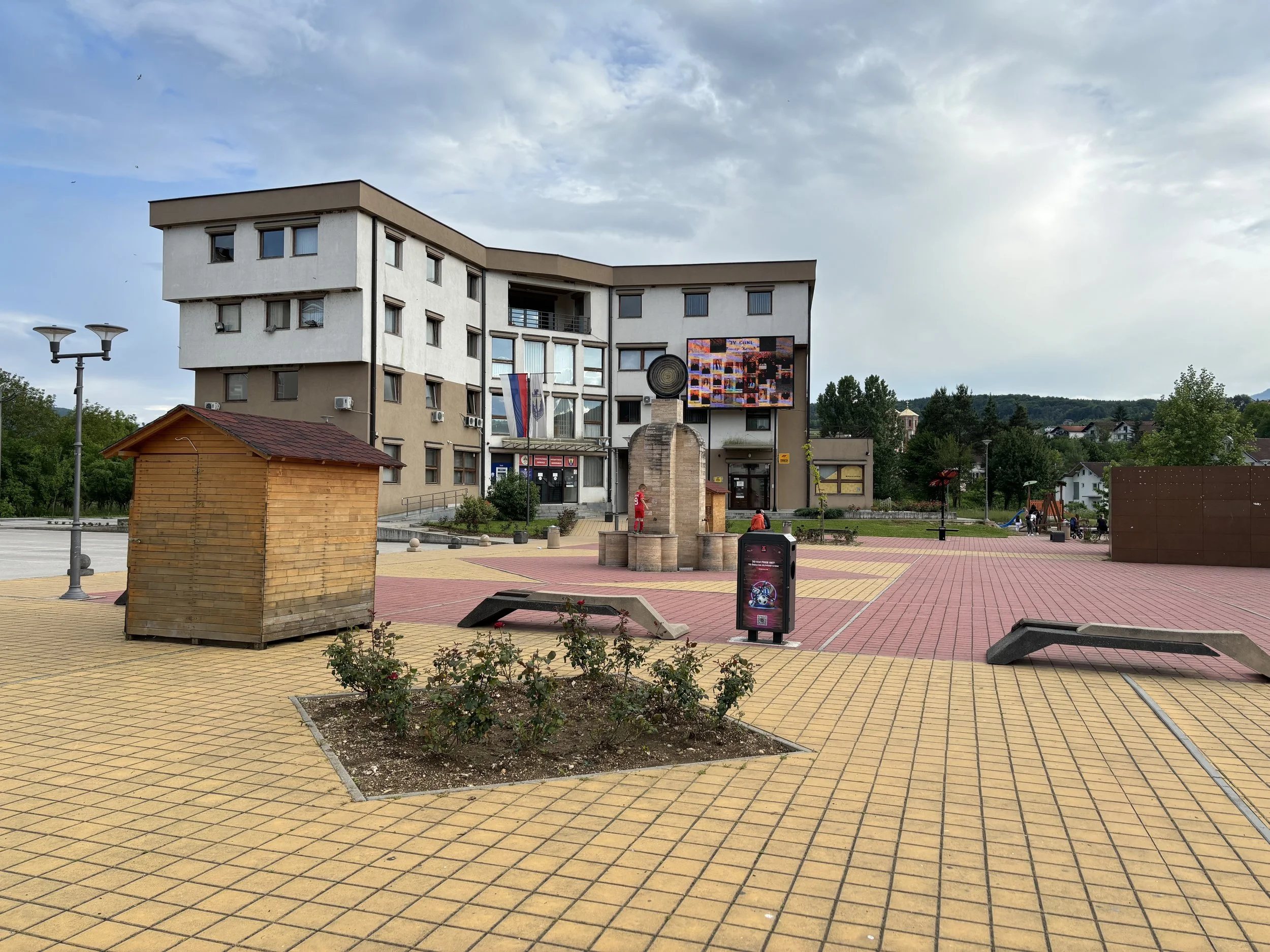
The main square in Šipovo © John Bills
Patriarch Pavle Square (Trg patrijarha srpskog Pavla)
The main square in Šipovo was renovated as recently as 2017, and there are plenty of bits and bobs here to grab the attention. It is difficult to look past the monument fountain in the middle, primarily because it sort of looks like a monument to a pie. Of course, by “sort of looks,” I mean “actually is.” Yes, Šipovo is thought to be the only municipality in Bosnia and Herzegovina with a monument to pie, specifically lamb pie, a speciality in this part of the country. The pie monument sits in the main square, in front of the municipal building, with a large mural to the side and a series of paintings showcasing the area’s natural beauty. There is also a monument to the lives lost in the war. Pie, bureaucracy, nature, and remembrance; what more does a main square need?
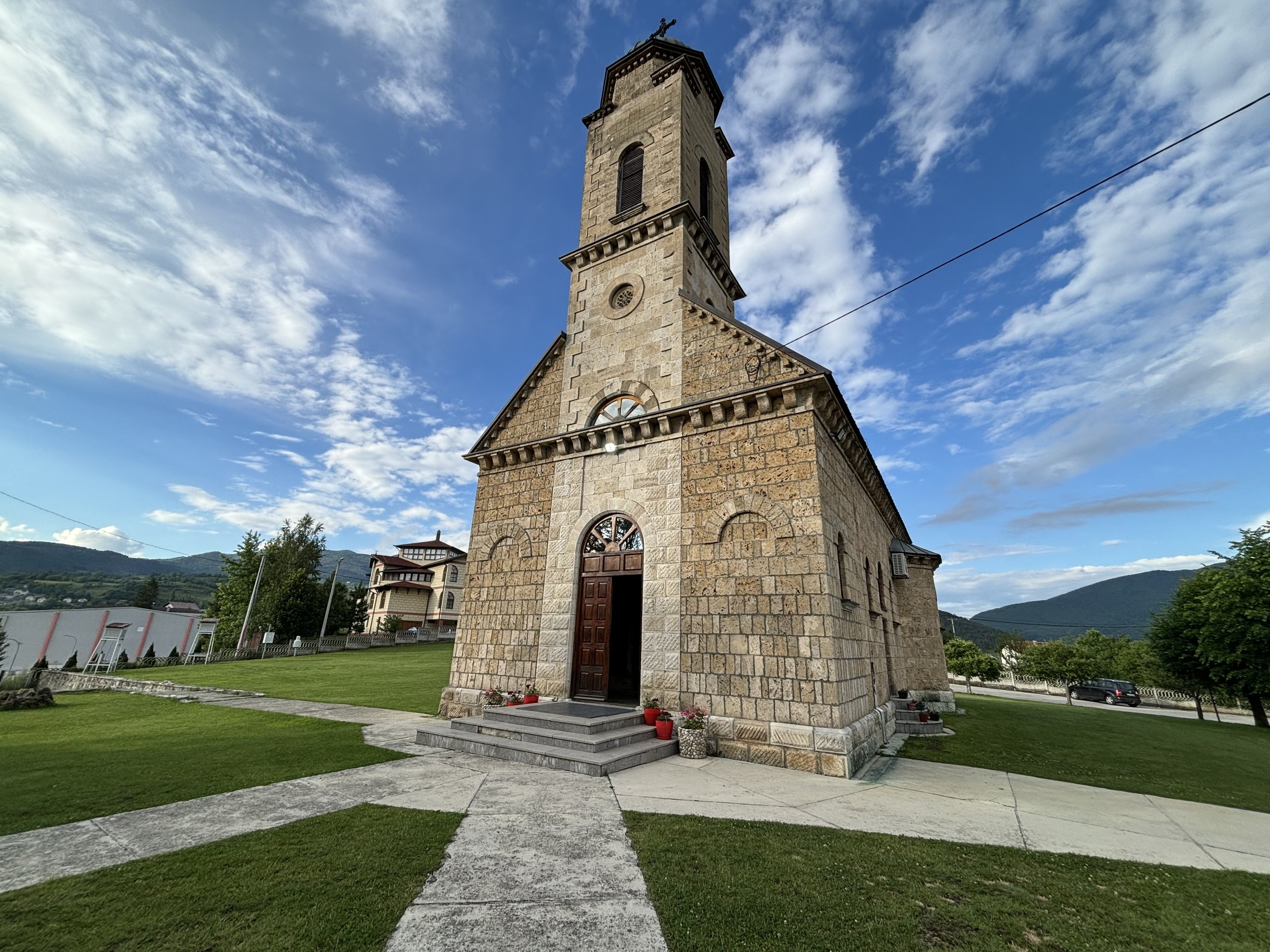
Church of St John the Baptist in Šipovo © John Bills
Church of St. John the Baptist (Crkva Stvetog Jovana Krstitelja)
A darling church overlooking the centre of Šipovo, the Church of St. John the Baptist sparkles with its traditional design and well-maintained surroundings. Construction on the church took two years at the beginning of the 1920s, and you can fill in the gaps regarding the damage it has received in the decades since. It was restored at the beginning of the 21st century and is in good health today, with gorgeous flourishes all around. Its feast day is July 7, if you are planning a visit. Svetosavska
Vagan Cave (Vaganska pećina)
Open to visitors from April to October (contact the Šipovo tourist centre to arrange a visit), Vagan Cave is one of the most impressive caves in the country. What it lacks in length (just 420 metres) it makes up in attractions, with an abundance of sections offering different stories throughout. There are eight sections in total (Shepherd’s Hall, Fox’s Channel, Ceremonial Hall, Giants Hall, Abyss Channel, Rade Marijan Hall, Janjski Channels, and the Simo Šolaja Gallery). If you’re into stalagmites, stalactites, and all the rest, make the 19km journey from Šipovo to Vagan. Vagan, +387 50 371 928
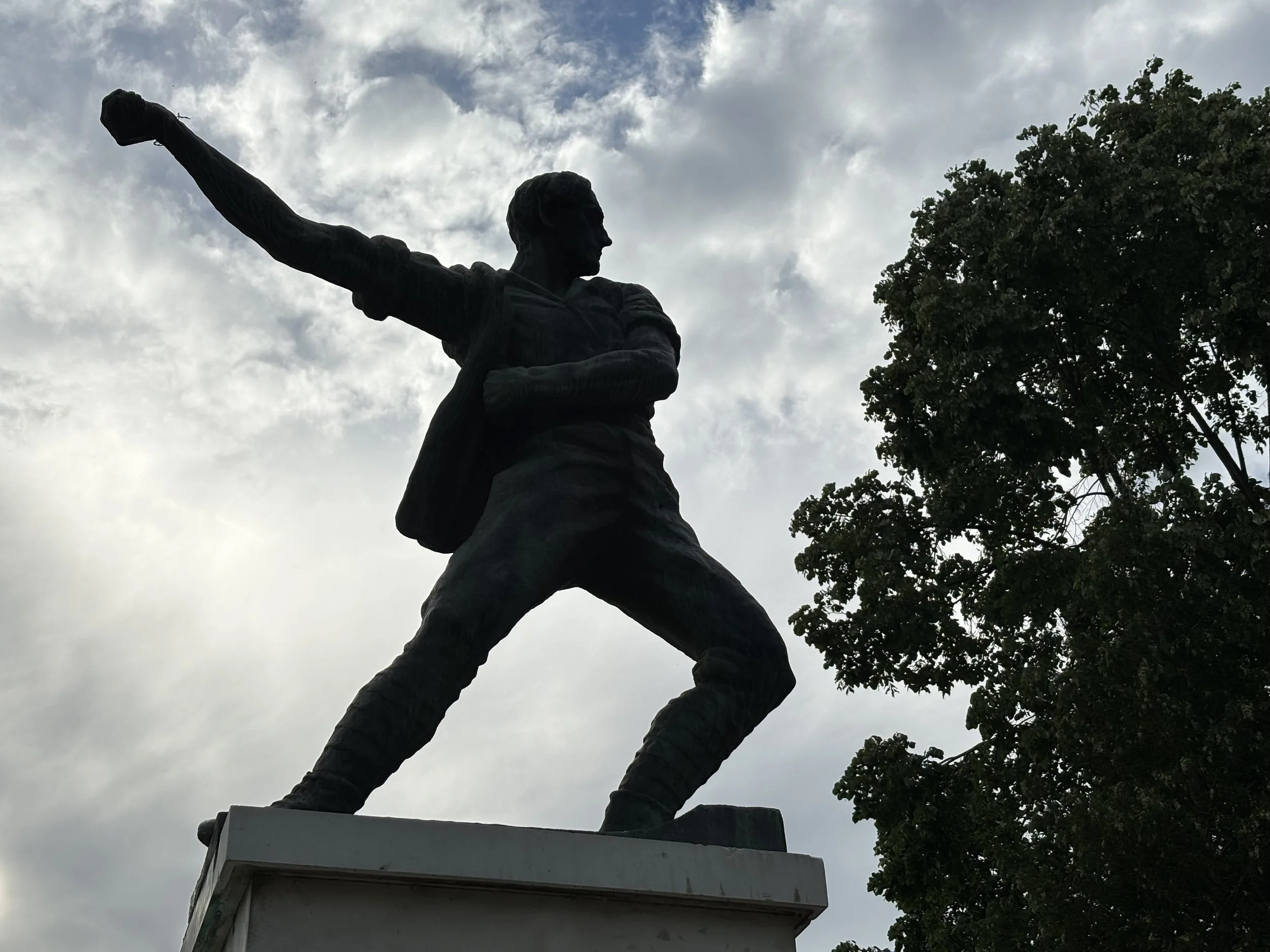
Simo Solaja Monument © John Bills
Simo Šolaja Monument (Spomenik Simi Šolaju)
Whispers of Yugoslavia are found throughout the region, and this simple monument to the leader of an insurgency is one more doff of the cap to add to the pile. The man in question is Simo Šolaja, a peasant from nearby Pljeva who led a group of ordinary people in a fight against the violence of fascism. He became an integral part of the people’s struggle before succumbing in the Battle of Kupres (August 1942). The monument stands in Šipovo, in a quite gorgeous location next to the river in the centre of town. Park Sime Šolaje
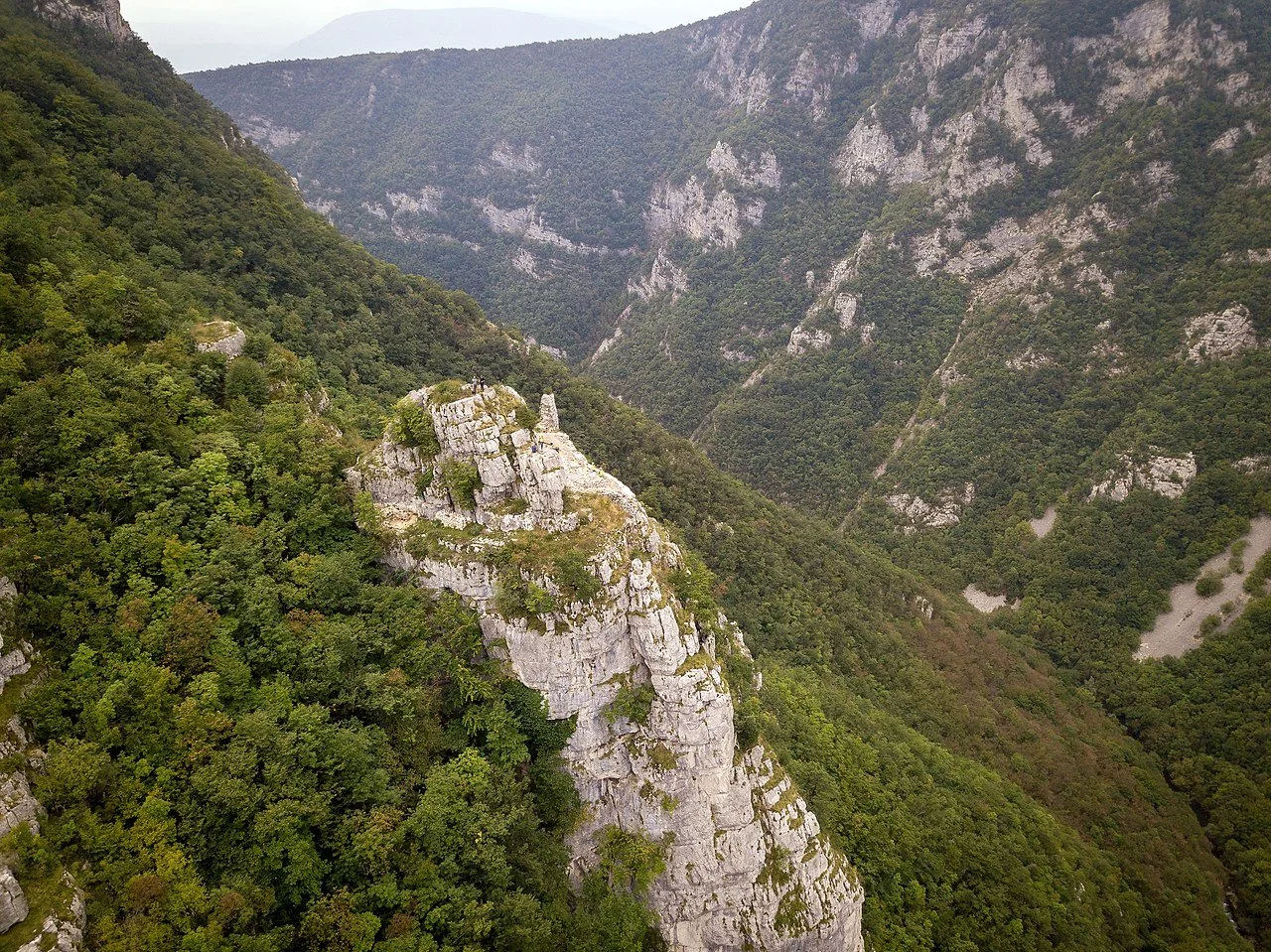
Sokograd © WikiMedia Commons
Sokograd
Just a few miles east of Šipovo is the remains of Sokograd, another medieval fortress that tried its best to resist the Ottomans but eventually fell under the weight of history. It had seen plenty by the time they arrived, resisting attacks by everyone from the Hungarians to the French (well, the Duchy of Anjou) before succumbing at the beginning of the 16th century. Located in a canyon above the Pliva River (hence its alternative name, Pliva Grad), the fortress was useful to the Ottomans until it wasn’t, abandoned in the 19th century and left to the whims of time. Time doesn’t have whims, but these are the results. Will it be renovated one day? Here’s hoping. Sokolac
BREWS, BOOZE, AND BITES
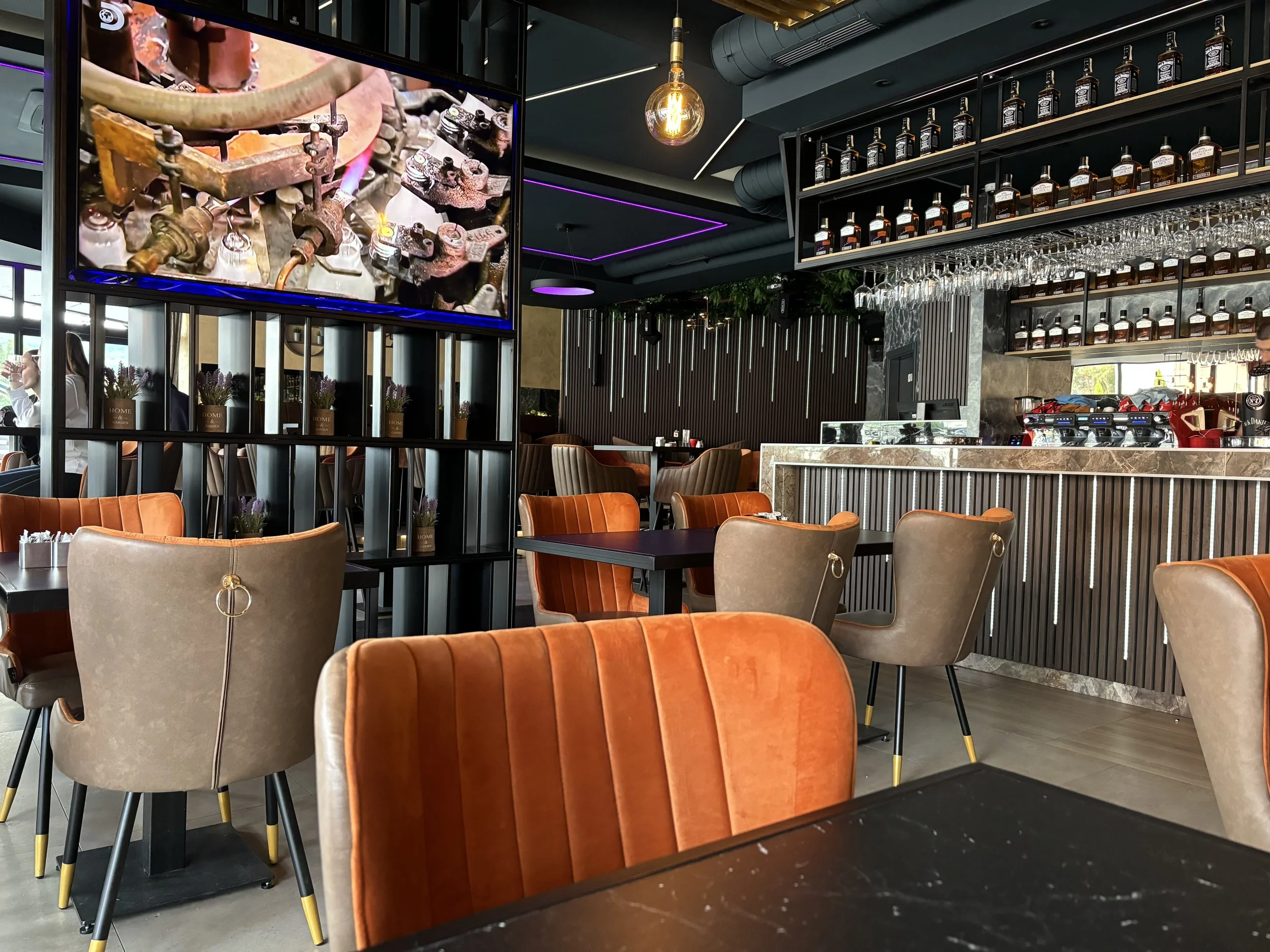
Cafe in Remy in Šipovo © John Bills
There are a couple of decent cafes in the heart of Šipovo proper, namely the Remy Concept Bar (Gavrila Principa 6, +387 66 991 528) and Caffe Libero (Svetog Save 3, +387 66 878 283), but the town is somewhat lacking on the quality food front. There are options: Pliva (Gavrila Principa, +387 50 371 107) is as down-to-earth as a grilled-meat spot gets, and Ribolovačka Priča (Boraca Srpskih, +387 66 808 233) has a fine reputation on the fish front, but the real foodie value in Šipovo is out in the sticks. Ribnjak Pašter (Lužine, +387 50 371 216) sits 3km north of town and is a gorgeous setting for fish, while the Household at the End of the World (Pljeva, +387 66 403 810) offers much the same. Over at Janjske otoke, the food options are plentiful and focused on fish and grilled meat. Just sit down at a table and wait to see if some food turns up. It is a truly magical place.
SLEEPING
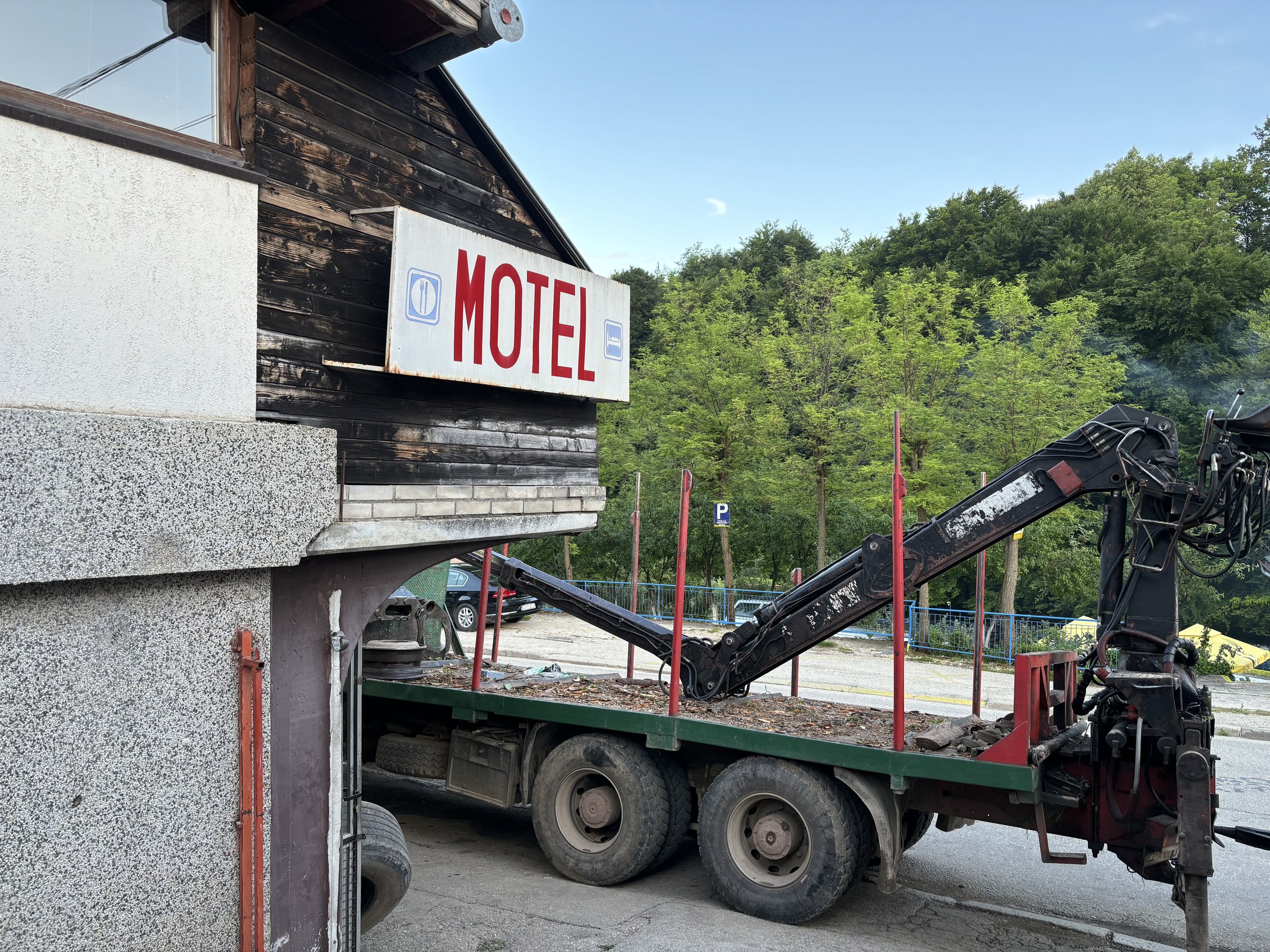
Motel Tetrijeb in Šipovo © John Bills
Most of Šipovo’s best accommodation options are out in that magical nature, but if you are looking for a stay within the town itself, Motel Tetrijeb (Sime Šolaje 30, +387 65 533 145) is your best bet, particularly for budget travellers. Janjska Kuća (Donji Mujdžići, +387 65 387 666) is a charming option to the south of town. Of course, you should go and stay at Janjske otoke because it's my favourite place in the country, and there are heaps of cabin options. Contact Milorad Piljić (+387 65 540 390) for more information. Elsewhere, the Turistički kompleks Pliva (Dragnić, +387 50 320 000) is set in a spectacular location near the springs of the Pliva River. There is also glamping available through Nomad Glamping (Dragnić, +387 66 114 389). I should give glamping a go at some point. Finally, if you’d like a seriously scenic sleeping spot with a tremendous night, make a booking with Domaćinstvo na Kraju Svijeta (Pljeva, +387 66 403 810), on the banks of the river. The name means “Household at the End of the World,” which is fantastic.